
Dr Raju Kanakia
About Me
Dr Raju Kanakia
Cardiologist
Biography
My Clinic
OPD Hours
| Tuesday | Morning | 10:00 AM | - | 02:00 PM |
| Evening | 06:00 PM | - | 09:00 PM | |
| Wednesday | Morning | 10:00 AM | - | 02:00 PM |
| Evening | 06:00 PM | - | 09:00 PM | |
| Thursday | Morning | 10:00 AM | - | 02:00 PM |
| Evening | 06:00 PM | - | 09:00 PM | |
| Friday | Morning | 10:00 AM | - | 02:00 PM |
| Evening | 06:00 PM | - | 09:00 PM | |
| Saturday | Morning | 10:00 AM | - | 02:00 PM |
| Evening | 06:00 PM | - | 09:00 PM | |
| Sunday | Morning | 10:00 AM | - | 02:00 PM |
| Evening | 06:00 PM | - | 09:00 PM | |
| Thursday | Morning | 10:00 AM | - | 02:00 PM |
| Evening | 06:00 PM | - | 09:00 PM |
Treatments
Specialised care and treatments offered
CORONARY ARTERY DISEASE PREVENTION

The prevention of coronary artery disease (CAD) focuses on managing risk factors that contribute to plaque buildup within coronary arteries. Understanding how CAD develops empowers individuals towards making healthier decisions impacting their hearts positively!
PREVENTIVE CARDIOLOGY
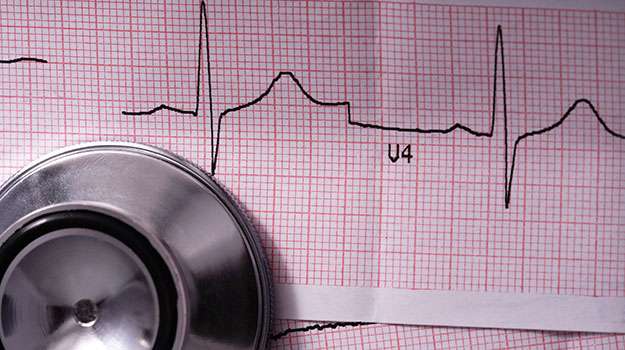
The field of preventive cardiology emphasizes reducing cardiovascular risk before problems arise. Proactive strategies can greatly enhance overall heart health throughout one's lifetime!
- Symptoms : There are no overt symptoms associated exclusively with preventive care; however risk factors must assessed regularly even without noticeable indicators!!
- Causes : Contributing factors include family history , stress , sedentariness coupled detrimental self-care habits like smoking & poor nutrition.
- Diagnosis : Evaluations may consist routine screenings evaluate blood pressure , BMI , lab tests lipids profile helping identify risks early thus allowing timely interventions.
- Treatment : Strategies highlight importance regular exercise regimen balanced nutrition focusing whole foods decrease processed food intake goal maintaining healthy weight optimize physical agility !!
- Expectations : Consistent engagement toward healthier choices lays foundation mitigating potential issues ensuring vibrant longevity ahead !
Your commitment preventive actions may lead toward significant long-lasting improvements maintaining optimum wellness while minimizing future complications associated cardiovascular challenges !
HEART FAILURE MANAGEMENT
Heart failure occurs when the heart cannot pump effectively enough to meet the body's needs. Understanding this condition allows patients to engage actively in their treatment plan for better outcomes.
- Symptoms: Individuals may notice persistent fatigue, reduced exercise tolerance, swelling in legs/ankles due to fluid retention or difficulty breathing during exertion or lying flat at night.
- Causes: Heart failure develops from a variety of conditions like coronary artery disease, previous heart attacks or long-term uncontrolled hypertension affecting cardiac function over time.
- Diagnosis: Evaluation involves clinical examination along with diagnostic tests including echocardiograms which assess heart structure/function critically impacting diagnosis decision-making process!
Engaging actively with healthcare professionals ensures optimal management leading towards healthier future outcomes!
ATRIAL FIBRILLATION MANAGEMENT
Atrial fibrillation (AFib) is an irregular heartbeat that can lead to various complications including stroke. Understanding AFib is essential for effective management and treatment strategies.
- Symptoms: Patients may experience palpitations, fatigue, dizziness or shortness of breath when AFib occurs. Some individuals may be entirely asymptomatic until complications arise.
- Causes: Common causes involve hypertension, coronary artery disease, excessive alcohol use or thyroid problems among other underlying conditions.
- Diagnosis: Diagnosis is often made through an electrocardiogram (ECG) which records the electrical activity of the heart. Holter monitors may also be utilized for extended monitoring.
- Treatment: Management focuses on controlling the heart rate/rhythm through medications (like beta-blockers) and sometimes catheter ablation procedures; lifestyle factors such as stress reduction are also emphasized.
- Expectations: Many individuals successfully manage AFib through regular medical supervision and lifestyle adjustments aimed at promoting heart health.
An individualized approach to managing atrial fibrillation enhances life quality by reducing risks associated with this condition.
CHOLESTEROL MANAGEMENT
Cholesterol plays a vital role in bodily functions, but elevated levels can pose significant health risks. It’s important to understand how cholesterol levels affect cardiovascular health.
- Symptoms: High cholesterol typically does not show symptoms directly but increases the risk of heart disease and stroke.
- Causes: Factors include poor diet (high in saturated fats), obesity, sedentary lifestyle, and genetic predisposition.
- Diagnosis: A simple blood test called a lipid panel measures your cholesterol levels; it is recommended routinely as part of regular health assessments.
- Treatment: Lifestyle changes such as a heart-healthy diet, regular exercise, weight control, along with medications like statins if needed can effectively manage cholesterol levels.
- Expectations: With consistent effort in dietary adjustments and physical activity, you can achieve optimal cholesterol levels and lower your risk for heart diseases.
A commitment to monitoring your cholesterol levels is essential for maintaining cardiovascular health over time.
HYPERTENSION MANAGEMENT
Hypertension, or high blood pressure, is a common condition that can lead to serious health issues if not appropriately managed. Understanding the factors that contribute to hypertension is crucial for effective treatment.
- Symptoms: Often termed the 'silent killer', hypertension may not present noticeable symptoms but can lead to headaches, shortness of breath, and nosebleeds in severe cases.
- Causes: Common causes include genetics, obesity, lack of physical activity, unhealthy diets rich in salt, and excessive alcohol consumption.
- Diagnosis: Blood pressure is measured using a sphygmomanometer during routine check-ups or specialized tests that may assess heart function and overall cardiovascular health.
- Treatment: Management often includes lifestyle modifications such as diet changes (e.g., DASH diet), increased physical activity, weight management, and medications like diuretics or ACE inhibitors if necessary.
- Expectations: Regular monitoring and follow-ups are essential. With proper management, many individuals can maintain healthy blood pressure levels and reduce their risk of heart disease.
Your proactive approach to managing hypertension can significantly improve your overall health and well-being.