
Dr Rakesh Agrawal
About Me
Dr Rakesh Agrawal
MD
Neurologist
10 Years Experience
Biography
My Clinic
OPD Hours
| Monday | Morning | 10:00 AM | - | 02:00 PM |
| Evening | 06:00 PM | - | 09:00 PM | |
| Tuesday | Morning | 10:00 AM | - | 02:00 PM |
| Evening | 06:00 PM | - | 09:00 PM | |
| Wednesday | Morning | 10:00 AM | - | 02:00 PM |
| Evening | 06:00 PM | - | 09:00 PM | |
| Thursday | Morning | 10:00 AM | - | 02:00 PM |
| Evening | 06:00 PM | - | 09:00 PM | |
| Friday | Morning | 10:00 AM | - | 02:00 PM |
| Evening | 06:00 PM | - | 09:00 PM | |
| Saturday | Morning | 10:00 AM | - | 02:00 PM |
| Evening | 06:00 PM | - | 09:00 PM | |
| Sunday | Morning | 10:00 AM | - | 02:00 PM |
| Evening | 06:00 PM | - | 09:00 PM |
Treatments
Specialised care and treatments offered
PEDIATRIC NEUROLOGY: CEREBRAL PALSY CARE

Cerebral palsy (CP) encompasses non-progressive neurological disorders affecting movement and posture resulting from early brain development disturbances. Specialized care focuses on maximizing function in affected children.
Children with CP exhibit muscle stiffness/spasticity abnormal gait delayed milestones caused by prenatal/perinatal brain injury;Clinical observation developmental assessments along with neuroimaging confirm diagnosis identify extent;Therapies including physiotherapy occupational therapy speech therapy combined with medications addressing spasticity support improved mobility;Care involves ongoing multidisciplinary support aiming at enhancing quality of life educational access social inclusion;Timely intervention coupled with individualized rehab programs empowers children living with cerebral palsy towards achieving their fullest potential despite challenges inherent in their conditionMIGRAINE MANAGEMENT
Migraine is a complex neurological headache disorder that can significantly impair daily activities due to severe pain episodes often accompanied by nausea or sensory sensitivity.
- Pain Characteristics & Triggers:Migraines commonly present with throbbing unilateral headaches plus photophobia or phonophobia triggered by stress, foods or hormonal shifts.
- The Diagnostic Pathway:A detailed history rules out other causes; neuroimaging may be used if atypical features appear;
PARKINSON’S DISEASE CARE
A progressive movement disorder caused by loss of dopamine-producing neurons in the brain region controlling movement. Parkinson’s disease presents unique challenges requiring multidisciplinary management.
- Signs & Origins: Tremors at rest, bradykinesia (slowness), rigidity; exact cause not fully understood though genetics and environment contribute.
- Diagnosis Process: Clinical examination focusing on motor symptoms; response to dopaminergic medication supports diagnosis; imaging excludes other diseases.
- Treatment Modalities: Medication like levodopa manages symptoms; physical therapy addresses mobility; some patients may benefit from surgical options such as deep brain stimulation.
- Disease Course & Support:The condition progresses gradually with fluctuating symptoms requiring continuous reassessment of treatment plans for best outcomes.
Caring for Parkinson’s involves a personalized approach aiming at symptom relief while promoting patient independence as much as possible over time.
MULTIPLE SCLEROSIS MONITORING
This chronic autoimmune disorder leads to nerve damage through inflammation and demyelination within the central nervous system. Monitoring disease progression plays a key role in managing multiple sclerosis (MS).
- Symptoms & Causes: Patients may experience fatigue, numbness, muscle weakness or balance issues; exact cause is unknown but involves immune system dysfunction.
- Diagnostic Tools: MRI scans reveal lesions; lumbar puncture examines cerebrospinal fluid; neurological exams track symptom evolution.
- Treatment Approaches: Disease-modifying therapies slow progression; symptomatic treatments address spasticity or pain; lifestyle adjustments improve wellbeing.
- Monitoring Expectations: Regular follow-ups with neurologic assessment and imaging allow timely changes in therapy for optimal disease control.
Lifelong vigilance helps mitigate relapses and supports maintaining functional abilities despite this unpredictable condition.
STROKE REHABILITATION
A stroke occurs when blood flow to parts of the brain is disrupted, leading to tissue damage. Recovery after stroke often involves extensive rehabilitation to regain lost functions.
- Symptoms and Causes: Sudden weakness, speech difficulties, and vision problems may signal a stroke; risk factors include hypertension, diabetes, and smoking.
- Diagnosis: Immediate imaging (CT/MRI) confirms stroke type; neurological exams assess severity and deficits.
- Treatment and Rehabilitation: Acute management may involve clot removal or medication; rehabilitation focuses on physical therapy, occupational therapy, speech therapy, and cognitive retraining.
- Outcomes: Recovery varies widely but early rehabilitation enhances chances of regaining independence over time.
An integrative rehabilitation plan addresses both physical impairments and emotional wellbeing post-stroke to maximize recovery potential.
EPILEPSY MANAGEMENT
Epilepsy is a neurological disorder characterized by recurrent seizures arising from abnormal electrical activity in the brain. It affects people of all ages and requires ongoing care to manage symptoms effectively.
- Symptoms and Causes: Seizures vary widely, from brief lapses in awareness to convulsions; causes can include genetic factors, brain injury, or unknown origins.
- Diagnosis: Diagnosing epilepsy involves clinical evaluation, EEG monitoring to detect electrical abnormalities, and neuroimaging such as MRI scans.
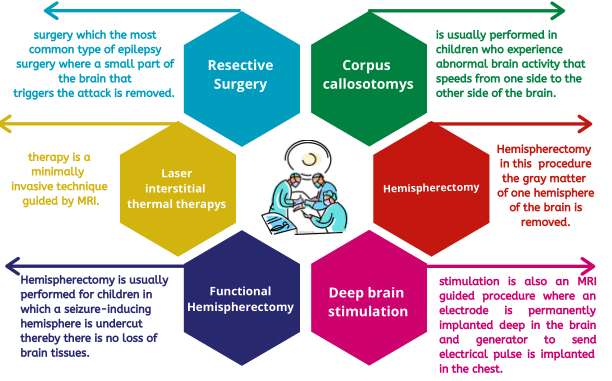
- Treatment Options: Management typically includes anticonvulsant medications tailored to seizure type, lifestyle modifications, and sometimes surgical intervention for refractory cases.
- Patient Expectations: With proper treatment, many individuals achieve significant seizure control or remission though periodic follow-up is essential.
A comprehensive approach combining medication adherence, regular monitoring, and support significantly improves quality of life for those living with epilepsy.