
Dr Rakesh Bharga
About Me
Dr Rakesh Bharga
MS
Orthopaedic Surgeons
10 Years Experience
Biography
My Clinic
OPD Hours
| Monday | Morning | 10:00 AM | - | 02:00 PM |
| Evening | 06:00 PM | - | 09:00 PM | |
| Tuesday | Morning | 10:00 AM | - | 02:00 PM |
| Evening | 06:00 PM | - | 09:00 PM | |
| Wednesday | Morning | 10:00 AM | - | 02:00 PM |
| Evening | 06:00 PM | - | 09:00 PM | |
| Thursday | Morning | 10:00 AM | - | 02:00 PM |
| Evening | 06:00 PM | - | 09:00 PM | |
| Friday | Morning | 10:00 AM | - | 02:00 PM |
| Evening | 06:00 PM | - | 09:00 PM | |
| Saturday | Morning | 10:00 AM | - | 02:00 PM |
| Evening | 06:00 PM | - | 09:00 PM | |
| Sunday | Morning | 10:00 AM | - | 02:00 PM |
| Evening | 06:00 PM | - | 09:00 PM |
Treatments
Specialised care and treatments offered
TENNIS ELBOW TREATMENT
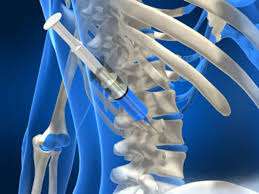
Tennis elbow is an overuse injury affecting the outer part of your elbow caused by repetitive gripping actions. Despite its name, it can affect anyone engaged in activities involving repetitive forearm motion rather than just tennis players.
- Symptoms predominantly feature pain that radiates from outside elbow down forearm while lifting objects or even during resting periods.
- Acute clinical evaluations combined with imaging modalities assist professionals in arriving at accurate diagnoses.
- Initial treatments focus on activity modification alongside physiotherapy; severe cases may require options like platelet-rich plasma injections for enhanced healing rates.
Most individuals achieve satisfactory outcomes with tailored management plans that foster effective recovery timelines eventually restoring functionality effortlessly thereafter.
BUNION CORRECTION SURGERY
Bunions are bony bumps forming at the base of the big toe that develop from misalignment leading to discomfort and deformity. Left untreated, bunions may worsen over time significantly affecting daily activities.
- Symptoms include localized pain around the affected area along with swelling and visible changes in toe alignment.
- Diagnosis relies primarily on physical examination supplemented by X-rays if required.
- Management involves conservative solutions like footwear alterations or corticosteroid injections; surgical intervention aims at realigning toe bones optimally.
Outpatient procedures result in quick recovery allowing individuals to gradually return engaging in everyday tasks thereafter.
CARPAL TUNNEL RELEASE

Carpal tunnel syndrome occurs when there is pressure on the median nerve as it travels through your wrist. Commonly associated with repetitive hand movements, this condition results in pain, numbness, and weakness in users' hands.
- The key symptoms often include tingling sensations in fingers and hand fatigue when performing tasks like typing or using tools.
- A thorough clinical assessment along with nerve conduction studies helps confirm diagnosis.
- Treatment approaches encompass wrist splinting for relief alongside corticosteroid injections; surgery becomes an option if conservative methods fail.
Surgical release typically offers significant pain relief while enhancing hand functionality post-procedure in most scenarios.
ROTATOR CUFF INJURY REPAIR

A rotator cuff injury affects a group of muscles and tendons that stabilize the shoulder. Injury can occur due to acute trauma or chronic wear-and-tear. This leads to pain and limited shoulder mobility.
- Pain may radiate from the shoulder down the arm; individuals might also struggle with overhead movements.
- Diagnosis usually involves a comprehensive physical examination coupled with imaging techniques like ultrasound or MRI.
- Treatment varies from conservative methods such as physical therapy to surgical intervention via arthroscopy if necessary.
- Surgical repair could entail reattaching torn tendons or smoothing out any rough shoulder surfaces that are causing discomfort.
Post-repair rehabilitation is crucial for restoring strength and mobility effectively over time.
PLANTAR FASCIITIS TREATMENT

Plantar fasciitis is a common foot condition causing heel pain due to inflammation of the plantar fascia, a thick band of tissue connecting the heel bone to the toes. This condition usually arises from overuse or strain on the foot.
- Pain is often felt at the bottom of the heel and may worsen with activity or after long periods of sitting.
- Diagnosis typically involves a physical exam and can include imaging studies if needed.
- Treatment may consist of rest, stretching exercises, orthotics, and anti-inflammatory medications.
- Corticosteroid injections or shockwave therapy might be recommended in stubborn cases.
With appropriate management strategies in place, most patients experience significant relief from symptoms and can resume regular activities effectively.
ARTHROSCOPY FOR KNEE INJURIES

Arthroscopy is a minimally invasive surgical procedure used to diagnose and treat various conditions related to the knee joint. This technique involves inserting a small camera, known as an arthroscope, into the joint through tiny incisions, allowing the surgeon to view and repair damage without needing large openings.
- Symptoms of knee injuries may include persistent pain, swelling, stiffness, and reduced range of motion.
- The diagnosis is typically made through physical examination and imaging tests such as MRI or X-rays.
- Treatment options include removing loose tissue, repairing torn cartilage, and smoothing rough surfaces within the joint.
- Patients can expect less postoperative pain and quicker recovery times compared to traditional open surgery.
With proper care post-surgery, most individuals can return to their normal activities relatively quickly while experiencing improved joint function.