
Dr Rakesh Bhargav
About Me
Dr Rakesh Bhargav
MBBS
General Physician
Biography
My Clinic
OPD Hours
| Monday | Morning | 10:00 AM | - | 02:00 PM |
| Evening | 06:00 PM | - | 09:00 PM | |
| Tuesday | Morning | 10:00 AM | - | 02:00 PM |
| Evening | 06:00 PM | - | 09:00 PM | |
| Wednesday | Morning | 10:00 AM | - | 02:00 PM |
| Evening | 06:00 PM | - | 09:00 PM | |
| Thursday | Morning | 10:00 AM | - | 02:00 PM |
| Evening | 06:00 PM | - | 09:00 PM | |
| Friday | Morning | 10:00 AM | - | 02:00 PM |
| Evening | 06:00 PM | - | 09:00 PM | |
| Saturday | Morning | 10:00 AM | - | 02:00 PM |
| Evening | 06:00 PM | - | 09:00 PM | |
| Sunday | Morning | 10:00 AM | - | 02:00 PM |
| Evening | 06:00 PM | - | 09:00 PM |
Treatments
Specialised care and treatments offered
THYROID DISORDERS
The thyroid gland plays a crucial role in regulating metabolism through hormone production. Disorders such as hypothyroidism or hyperthyroidism can significantly affect overall body functioning.
ANEMIA MANAGEMENT

Anemia is characterized by insufficient red blood cells or hemoglobin in the bloodstream which can result in fatigue and various other symptoms. Being aware of anemia’s impact is crucial for overall health management.
- Symptoms : Patients often present with fatigue , weakness , pale skin , cold hands/feet , dizziness all indicative of low oxygen supply reaching tissues.
- Causes : Iron deficiency primarily drives anemia ; however , vitamin B12 deficiency or chronic illnesses could also contribute toward its development .
- Diagnosis : Blood tests measure hemoglobin concentration alongside additional evaluations identifying underlying causes based on patient history .
- Treatment : Supplementation—for instance iron supplements —is common ; meanwhile addressing root causes ensures effective resolution ensuring optimal health moving forward .
- What to expect : With appropriate intervention strategies aligned with individualized care plans ; patients witness gradual improvement reflecting progress toward better energy levels while managing symptoms effectively .
Recognition coupled with timely interventions facilitates recovery enhancing quality-of-life significantly !
CHOLESTEROL MANAGEMENT

Elevated cholesterol levels are linked with increased risk for heart disease and stroke. Regular screening for cholesterol is crucial due to its silent nature in most individuals.
- Symptoms: Generally asymptomatic until severe heart conditions develop; thus routine checks are important for early detection and intervention.
- Causes : High LDL cholesterol can result from poor dietary choices—particularly those high in saturated fats—and sedentary lifestyles among other contributing factors.
- Diagnosis : Cholesterol levels are evaluated through a simple blood test measuring total cholesterol as well as HDL (good) versus LDL (bad) cholesterol ratios.
- Treatment : Lifestyle adjustments including improved nutrition , exercise , weight loss combined with medications may be recommended according to individual risk profiles .
- What to expect : Successful long-term management involving regular consultations ensures healthy cholesterol levels helping mitigate future cardiovascular risks .
Staying informed empowers individuals about their cardiovascular health thereby enhancing overall wellbeing .
ASTHMA MANAGEMENT
A chronic respiratory condition that affects the airways in the lungs. Asthma causes episodes of wheezing, chest tightness, shortness of breath, and coughing.
- Symptoms: These episodes can be triggered by allergens such as pollen or dust as well as by environmental factors like smoke or cold air.
- Causes: While genetics play a role in asthma development, environmental triggers can exacerbate existing conditions; it's essential to identify these triggers individually.
- Diagnosis: Lung function tests such as spirometry assess how well air moves in and out of the lungs during breathing tests conducted by healthcare professionals.
- Treatment: Treatment typically includes inhalers (both quick-relief and long-term control) alongside avoidance of known triggers for optimal management of asthma symptoms.
- What to expect: With effective treatment plans in place tailored to individual needs, patients can achieve better control over their asthma symptoms and enjoy a higher quality of life.
A thorough understanding paired with consistent management strategies helps those living with asthma thrive daily.
TYPE 2 DIABETES

This chronic condition affects how the body metabolizes glucose, leading to elevated sugar levels in the bloodstream. Early diagnosis and management are vital for preventing complications.
- Symptoms: Common signs include increased thirst and hunger, frequent urination, fatigue, blurred vision, and slow-healing wounds.
- Causes: Factors contributing to Type 2 diabetes include obesity, sedentary lifestyle, genetic factors, and an unhealthy diet high in refined sugars.
- Diagnosis: A fasting blood glucose test or an A1C test can determine whether someone has diabetes. Regular screenings are recommended for at-risk individuals.
- Treatment: Management involves lifestyle modifications like diet changes and exercise; medication may also be prescribed when necessary.
- What to expect: With committed management strategies in place, individuals can lead healthy lives while keeping their blood sugar levels under control.
Proper education on this condition empowers patients to take proactive steps towards their health.
HYPERTENSION

Hypertension, commonly known as high blood pressure, is a condition that can lead to serious health complications if left unmanaged. It often develops silently over many years, making regular monitoring essential.
- Symptoms: Many individuals may not experience noticeable symptoms; however, some might report headaches, shortness of breath, or nosebleeds.
- Causes: Common factors include obesity, lack of physical activity, smoking, excessive salt intake, and genetic predisposition.
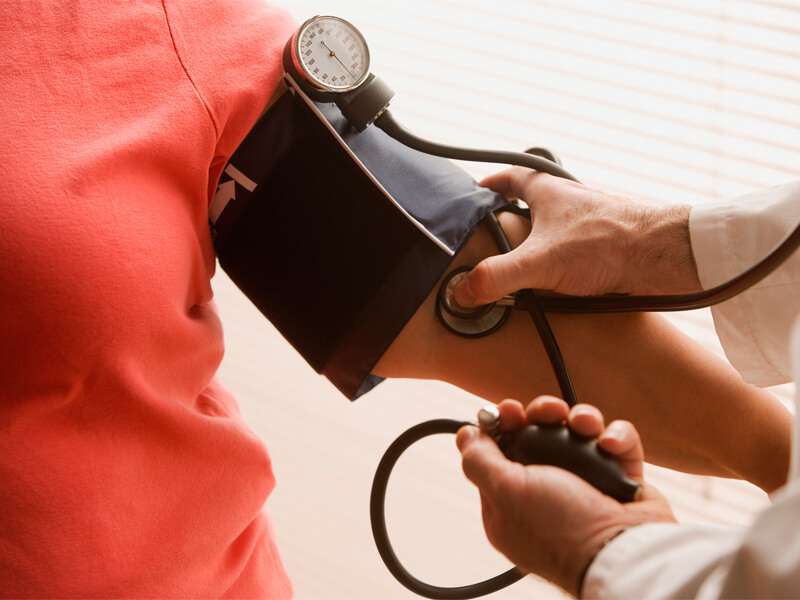
- Diagnosis: Blood pressure is measured using a sphygmomanometer during routine check-ups. Consistent readings above 130/80 mmHg typically indicate hypertension.
- Treatment: Management may involve lifestyle changes such as diet and exercise, along with medications that help lower blood pressure.
- What to expect: With proper management, patients can maintain healthy blood pressure levels and reduce the risk of heart disease.
Understanding this condition is crucial for maintaining long-term health.