
Dr Rakesh Chhajed
About Me
Dr Rakesh Chhajed
MBBS
General Physician
Biography
My Clinic
OPD Hours
| Monday | Morning | 10:00 AM | - | 02:00 PM |
| Evening | 06:00 PM | - | 09:00 PM | |
| Tuesday | Morning | 10:00 AM | - | 02:00 PM |
| Evening | 06:00 PM | - | 09:00 PM | |
| Wednesday | Morning | 10:00 AM | - | 02:00 PM |
| Evening | 06:00 PM | - | 09:00 PM | |
| Thursday | Morning | 10:00 AM | - | 02:00 PM |
| Evening | 06:00 PM | - | 09:00 PM | |
| Friday | Morning | 10:00 AM | - | 02:00 PM |
| Evening | 06:00 PM | - | 09:00 PM | |
| Saturday | Morning | 10:00 AM | - | 02:00 PM |
| Evening | 06:00 PM | - | 09:00 PM | |
| Sunday | Morning | 10:00 AM | - | 02:00 PM |
| Evening | 06:00 PM | - | 09:00 PM |
Treatments
Specialised care and treatments offered
CARDIOVASCULAR RISK ASSESSMENT
A cardiovascular risk assessment evaluates factors contributing to heart disease. Understanding these risks enables proactive management strategies for better health outcomes.
- Risk Factors: Common factors include family history of heart disease plus lifestyle choices like smoking—obesity also plays an integral role here too.
- Evaluation Procedures: Comprehensive evaluations typically consist of physical examinations alongside history taking regarding previous cardiovascular incidents among family members involved .
- Preventive Measures: Approaches could involve nutritional counseling adherence towards exercise regimes depending on determined risk level observed .
Please do engage fully during your appointment—this ensures all potential areas impacting one’s cardiac well-being get thoroughly covered together!< br /> .
GASTROESOPHAGEAL REFLUX DISEASE (GERD) MANAGEMENT

This chronic digestive disorder occurs when stomach acid frequently flows back into the esophagus. It's vital to address GERD promptly to alleviate discomfort and prevent further complications.
- Symptoms: The most common signs include heartburn, regurgitation of food or sour liquid, difficulty swallowing, and chronic cough.
- Causes: Factors include obesity, pregnancy hormone fluctuations, smoking habits subsequent stress levels that impair digestion.
- Diagnosis: A thorough review of symptoms alongside endoscopy may be conducted in severe cases.
- Treatment Options: Lifestyle modifications such as dietary changes paired with antacid medications can provide considerable relief.
If you have ongoing issues related to acidity or digestion it's important consult your general physician who can tailor an approach specific for you < br /> .
RESPIRATORY INFECTION MANAGEMENT

The respiratory tract can be affected by various infections leading to conditions such as bronchitis or pneumonia. Prompt attention to symptoms can significantly improve recovery times.
- Common Symptoms: Coughing, fever, shortness of breath, and chest pain are typical indicators of respiratory infections.
- Causative Agents: Viral infections are predominant but bacterial infections also play a significant role in acute cases.
- consensus on individual cases is made through physical examinations along with imaging studies like X-rays when necessary.
Antibiotics may be prescribed for bacterial infections; otherwise, supportive care such as rest and hydration is advised.
What to Expect:< / s trong >Most individuals recover fully with proper medical guidance in place. It’s important to follow up if symptoms persist.
< br / >Receiving timely intervention contributes greatly to positive patient outcomes in respiratory health.
THYROID DISORDER TREATMENT
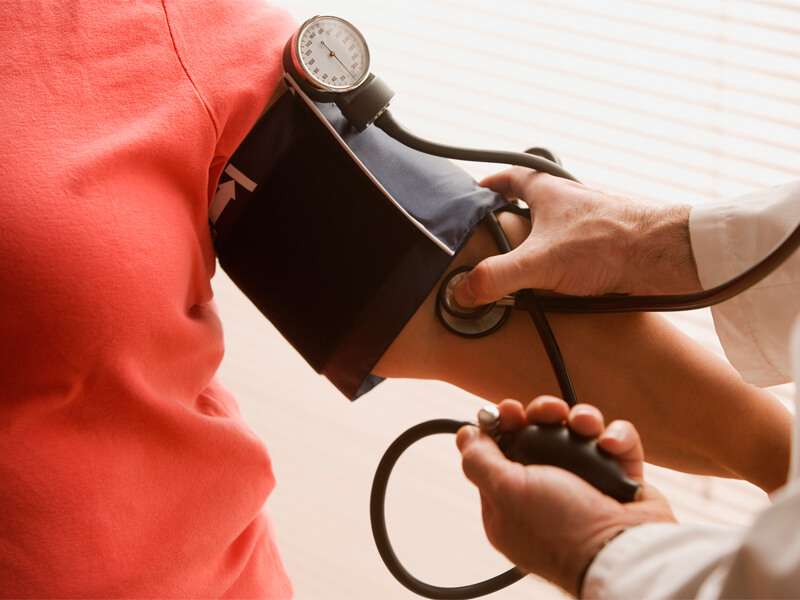
Thyroid disorders affect metabolism and overall bodily function. Conditions like hypothyroidism or hyperthyroidism require careful diagnosis and management.
- Symptoms: Hypothyroidism may cause weight gain and fatigue while hyperthyroidism might present as weight loss and anxiety.
- Causative Factors: Autoimmune diseases or iodine deficiency can lead to these conditions.
- Diagnosis: Thyroid function tests (TFTs) help assess hormone levels in the body for accurate diagnosis.
- Treatment Modalities: Hormone replacement therapy or antithyroid medications are commonly used depending on the disorder type.
An individualized treatment plan is essential for managing symptoms effectively and improving quality of life for patients with thyroid disorders.
DIABETES MELLITUS CARE

Diabetes mellitus is a chronic condition characterized by high levels of glucose in the blood. It's essential to manage this condition effectively to prevent serious complications.
- Causes: Factors like genetics, obesity, and sedentary lifestyles contribute to the development of diabetes.
- Symptoms: Common indications include increased thirst, frequent urination, fatigue, and blurred vision.
- Diagnosis: Blood tests measuring fasting glucose or HbA1c levels help confirm a diagnosis.
- Treatment Strategies: A combination of dietary management, exercise programs, and insulin therapy may be necessary for effective control.
- Monitoring: Regular check-ups are critical in managing diabetes effectively and preventing complications such as neuropathy or cardiovascular diseases.
A comprehensive approach will help ensure long-term health and well-being for those affected by this condition.
HYPERTENSION MANAGEMENT

Hypertension, often referred to as high blood pressure, is a common condition that can lead to severe health complications if not managed properly. It typically has no noticeable symptoms, so regular monitoring is crucial.
- Symptoms: Many individuals with hypertension may not experience symptoms, which is why it’s often called the 'silent killer.'
- Diagnosis: Blood pressure readings are taken using a sphygmomanometer during routine check-ups.
- Treatment Options: Lifestyle changes such as diet and exercise, along with medications like ACE inhibitors or beta-blockers, can effectively lower blood pressure.
- Management: Regular follow-up appointments are essential to monitor blood pressure and adjust treatment plans as needed.
- Expectations: With proper management, many patients can maintain healthy blood pressure levels and reduce their risk of cardiovascular events.
If you suspect you may have high blood pressure, seek advice from your healthcare provider for tailored recommendations.