
Dr Rakesh Gupta
About Me
Dr Rakesh Gupta
MD
Nephrologist
10 Years Experience
Biography
My Clinic
OPD Hours
| Monday | Morning | 10:00 AM | - | 02:00 PM |
| Evening | 06:00 PM | - | 09:00 PM | |
| Tuesday | Morning | 10:00 AM | - | 02:00 PM |
| Evening | 06:00 PM | - | 09:00 PM | |
| Wednesday | Morning | 10:00 AM | - | 02:00 PM |
| Evening | 06:00 PM | - | 09:00 PM | |
| Thursday | Morning | 10:00 AM | - | 02:00 PM |
| Evening | 06:00 PM | - | 09:00 PM | |
| Friday | Morning | 10:00 AM | - | 02:00 PM |
| Evening | 06:00 PM | - | 09:00 PM | |
| Saturday | Morning | 10:00 AM | - | 02:00 PM |
| Evening | 06:00 PM | - | 09:00 PM | |
| Sunday | Morning | 10:00 AM | - | 02:00 PM |
| Evening | 06:00 PM | - | 09:00 PM |
Treatments
Specialised care and treatments offered
POLYCYSTIC KIDNEY DISEASE (PKD)
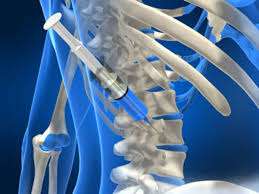
This genetic disorder leads to fluid-filled cysts developing in the kidneys affecting their function over time. Awareness is important for managing PKD's long-term effects on health.
- Sufferers may experience sudden pain, high blood pressure, hematuria (blood in urine), or frequent urinary tract infections as disease progresses.
- Diagnosis usually involves imaging studies such as ultrasound or CT scans identifying cyst formations in the kidneys.
- Treatment mainly focuses on managing symptoms with medications targeting high blood pressure while maintaining kidney health through lifestyle choices.
Regular follow-up care can optimize quality of life despite having this chronic condition.
ELECTROLYTE IMBALANCE MANAGEMENT

An electrolyte imbalance occurs when there are abnormal levels of minerals like sodium or potassium in the body. This condition can affect many bodily functions including heart rhythm.
- The causes may range from dehydration and medications to chronic illnesses affecting kidney function or hormonal balance.
- A physician will typically conduct blood tests assessing electrolyte levels as part of the diagnosis process.
- Treatment often includes dietary adjustments aimed at restoring balance alongside intravenous fluids or oral supplements when necessary.
Catching an imbalance early ensures better management options that help restore proper body function safely without complications.
URINARY TRACT INFECTIONS (UTIS)

A urinary tract infection (UTI) occurs when bacteria enter the urinary system, leading to potential complications if untreated. Early recognition is key for successful treatment.
- The most common symptoms include frequent urge to urinate, burning sensation during urination, and cloudy urine.
- A healthcare professional will often perform a urinalysis, checking for bacteria or white blood cells indicative of an infection.
- Treatment typically consists of antibiotics tailored to effectively eliminate the causative agent while drinking plenty of fluids aids recovery.
- If UTIs recur frequently, additional evaluations may be necessary to identify underlying issues contributing to these infections.'
Timely treatment not only alleviates symptoms but also helps prevent future infections from occurring.
HYPERTENSION MANAGEMENT

High blood pressure or hypertension is a common condition that increases the risk of heart disease and stroke. Effective management is vital for overall health.
- This condition often has no noticeable symptoms, but headaches or nosebleeds can occur in severe cases.
- An accurate diagnosis involves regular monitoring of blood pressure readings along with lifestyle assessments.
- Treatment usually includes lifestyle adjustments like diet changes, regular physical activity, and medications if necessary.
- Your healthcare provider will work with you regularly to monitor your blood pressure and modify treatment as needed for optimal control.
A proactive approach can effectively manage hypertension over time, significantly reducing health risks associated with it.
KIDNEY STONE TREATMENT

Kidney stones are hard deposits made of minerals and salts that form inside your kidneys. They can cause severe pain and discomfort when passing.
- The symptoms include intense pain in the back or side, nausea, vomiting, and blood in urine.
- Diagnosis can be confirmed using imaging tests like X-rays or CT scans along with urinalysis.
- Treatment options vary from increased hydration and medication for small stones to procedures like lithotripsy for larger ones.
- If necessary, surgical intervention via ureteroscopy may be utilized to remove stones that are too large to pass naturally.
A thorough approach ensures effective management of kidney stones while preventing their recurrence.
CHRONIC KIDNEY DISEASE (CKD)

Chronic Kidney Disease (CKD) is a gradual loss of kidney function over time, which may lead to kidney failure if not managed properly. It's crucial to address CKD early for optimal outcomes.
- Symptoms may include fatigue, swelling in the ankles and feet, changes in urination, and high blood pressure.
- Diagnosis typically involves blood tests to measure creatinine levels and urine tests to assess protein content.
- Your treatment options might encompass lifestyle changes such as diet modifications, managing blood pressure, and medications to slow progression.
- Regular monitoring through lab tests is essential to assess kidney function and adjust treatments accordingly.
Managing CKD can help maintain quality of life and prevent further complications.