
Dr Rakesh Malhotr
About Me
Dr Rakesh Malhotr
MBBS
Podiatrist
10 Years Experience
Biography
My Clinic
OPD Hours
| Monday | Morning | 10:00 AM | - | 02:00 PM |
| Evening | 06:00 PM | - | 09:00 PM | |
| Tuesday | Morning | 10:00 AM | - | 02:00 PM |
| Evening | 06:00 PM | - | 09:00 PM | |
| Wednesday | Morning | 10:00 AM | - | 02:00 PM |
| Evening | 06:00 PM | - | 09:00 PM | |
| Thursday | Morning | 10:00 AM | - | 02:00 PM |
| Evening | 06:00 PM | - | 09:00 PM | |
| Friday | Morning | 10:00 AM | - | 02:00 PM |
| Evening | 06:00 PM | - | 09:00 PM | |
| Saturday | Morning | 10:00 AM | - | 02:00 PM |
| Evening | 06:00 PM | - | 09:00 PM | |
| Sunday | Morning | 10:00 AM | - | 02:00 PM |
| Evening | 06:00 PM | - | 09:00 PM |
Treatments
Specialised care and treatments offered
HEEL SPURS
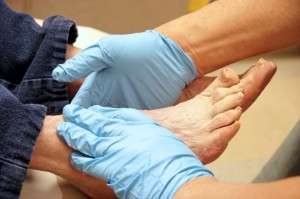
A heel spur is a bony growth that forms on the underside of the heel bone. It often develops alongside conditions like plantar fasciitis but some people remain symptom-free despite its presence on X-rays.
- Symptoms: Dull ache evolving into sharp pain under heel when standing after inactivity .
- Causes : Chronic strain from walking , running , wearing unsupportive footwear leading to calcium deposit buildup .
- Diagnostic process : Clinical exam coupled with radiographic imaging confirming bony protrusion location /size .
- Treatments available : Rest , use of cushioned insoles , physical therapy stretching , oral anti-inflammatory drugs ; shockwave therapy for stubborn cases ; surgical removal seldom required .
A comprehensive management plan focused on alleviating inflammation ensures functional recovery even if spur remains visible on scans.
MORTON’S NEUROMA
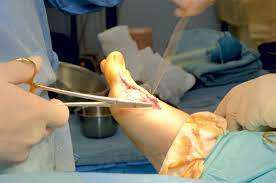
This painful condition arises from nerve irritation between toes causing burning sensation or numbness along parts of the forefoot. It most commonly affects women who wear narrow shoes frequently but can impact others too.
- Symptoms: Sharp localized forefoot pain worsened by walking in tight shoes; tingling or numbness between toes also typical .
- Causes: Compression or irritation of digital nerves due to repetitive trauma , biomechanical abnormalities , tight footwear .
- Diagnosis: Based primarily on clinical history ; ultrasound or MRI can detect neuroma size /severity .
- Management: Wide toe box shoes , metatarsal pads , NSAIDs ; corticosteroid injections offer relief if conservative care fails ; rarely surgery .
Early recognition alongside modification in shoe wear habits plays a crucial role in symptom reduction without invasive interventions .
FLAT FEET (PES PLANUS)
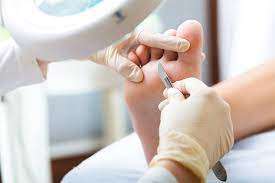
The condition known as flat feet involves a decreased arch height that leads to alterations in foot mechanics. While some individuals experience no symptoms, others face discomfort affecting mobility.
- Pain points: Arch tenderness or fatigue in legs after prolonged standing or walking are typical signs.
- Causative factors: Congenital structural variations or acquired weakening of tendons supporting arches over time.
- The diagnostic methods used involve: Physical examination including footprint analysis and gait assessment; imaging if needed for further insight.
- Treatment strategies include conservative measures like: Custom orthotics to support arch structure, stretching exercises targeting tight calf muscles, proper footwear selection; surgical correction is rare but considered for severe dysfunctions impacting quality of life.
A tailored therapy plan aims at enhancing comfort during activity while preventing secondary issues such as knee or back pain linked with abnormal foot posture.
DIABETIC FOOT ULCERS
Diabetic foot ulcers are open sores that develop most often on the bottom of feet due to nerve damage and poor circulation in people with diabetes. These wounds require careful management to avoid serious complications.
- Symptoms: Non-healing sores or wounds on feet that might be painless but susceptible to infection.
- Main causes: Peripheral neuropathy decreasing sensation and peripheral artery disease reducing blood flow to tissues.
- How it is assessed: Regular foot inspections combined with vascular tests and wound evaluation by specialists.
- Treatment options include: Wound cleaning and dressing changes, offloading pressure from affected areas using special footwear or devices, glycemic control optimization, and sometimes antibiotics or surgery if infected.
An interdisciplinary approach focusing on early detection significantly lowers risks of severe infections or amputations related to diabetic foot ulcers.
INGROWN TOENAILS
An ingrown toenail occurs when the nail edges grow into the surrounding skin, causing discomfort and sometimes infection. It commonly affects the big toe and can be associated with improper nail trimming or tight shoes.
- Symptoms: Redness, pain along one side of the nail, swelling, and possible pus formation.
- Causes: Improper nail cutting technique, trauma to toe, genetic predisposition, or poorly fitting footwear.
- Diagnostic process: Physical evaluation of the affected toe; bacterial cultures may be needed if infection is suspected.
- Treatment approaches: Soaking feet in warm water, proper nail care advice, antibiotics for infections, or minor surgical procedures to remove part of the nail when recurrent or severe.
Caring promptly for an ingrown toenail helps prevent complications and promotes healing while minimizing discomfort during walking or standing.
PLANTAR FASCIITIS
Plantar fasciitis is a frequent source of heel pain caused by inflammation of the thick band of tissue connecting the heel bone to the toes. This condition often develops slowly and can affect daily activities.
- Symptoms: Sharp heel pain, especially with the first steps in the morning or after rest.
- Causes: Excessive strain on the plantar fascia from overuse, improper footwear, or foot structure abnormalities.
- Diagnosis: Usually based on medical history and physical examination; imaging may rule out other causes.
- Treatment options: Rest, stretching exercises, orthotic devices, ice application, and anti-inflammatory medications.
- What to expect: Gradual improvement over weeks to months; severe cases might require physical therapy or injections.
A proactive approach incorporating stretching and supportive footwear is essential for managing discomfort and preventing recurrence of this common foot ailment.