
Dr Rakesh Sharma
About Me
Dr Rakesh Sharma
MS
Orthopaedic Surgeons
10 Years Experience
Biography
My Clinic
OPD Hours
| Monday | Morning | 10:00 AM | - | 02:00 PM |
| Evening | 06:00 PM | - | 09:00 PM | |
| Tuesday | Morning | 10:00 AM | - | 02:00 PM |
| Evening | 06:00 PM | - | 09:00 PM | |
| Wednesday | Morning | 10:00 AM | - | 02:00 PM |
| Evening | 06:00 PM | - | 09:00 PM | |
| Thursday | Morning | 10:00 AM | - | 02:00 PM |
| Evening | 06:00 PM | - | 09:00 PM | |
| Friday | Morning | 10:00 AM | - | 02:00 PM |
| Evening | 06:00 PM | - | 09:00 PM | |
| Saturday | Morning | 10:00 AM | - | 02:00 PM |
| Evening | 06:00 PM | - | 09:00 PM | |
| Sunday | Morning | 10:00 AM | - | 02:00 PM |
| Evening | 06:00 PM | - | 09:00 PM |
Treatments
Specialised care and treatments offered
MINIMALLY INVASIVE SPINE SURGERY
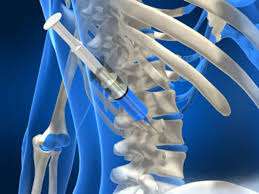
This advanced surgical technique addresses various spine problems using smaller incisions, leading to less tissue damage than traditional approaches. Minimally invasive spine surgery offers promising outcomes for patients dealing with herniated discs or spinal stenosis among other conditions.
- Symptoms typically include chronic back pain radiating into arms or legs due compressed nerves within vertebrae areas .
- Patients receiving a comprehensive diagnostic evaluation including imaging tests can reliably identify underlying causes affecting their spine health .
- Treatment strategies may encompass removing disc material causing nerve pressure , decompressing affected areas either endoscopically / via tubular retractors depending severity involved .
- Recovery times are significantly shorter than open surgeries allowing faster return normal routines while minimizing post-operative discomfort overall too!
As technology continues evolving so does landscape regarding surgical procedures available providing countless opportunities alleviate discomfort safely effectively through innovative methods today!
BUNIONECTOMY

A bunionectomy is performed to correct deformities caused by bunions—bony protrusions at the base of the big toe. This common procedure aims at relieving pain while restoring normal toe alignment through gentle surgical correction techniques.
- Sufferers usually express discomfort while walking or wearing shoes due to misalignment in their foot structure caused by bunions.
- The condition is diagnosed through clinical examination paired with X-rays that reveal bone changes characteristic of bunions.
- Treatment generally includes removing excess bone tissue followed by realigning joints where necessary; both operations can be done minimally invasively in many cases.
- After surgery , most patients experience improved comfort levels when running , walking , or engaging in frequent physical activities .
Bunionectomy provides an effective solution for those looking to eliminate painful bunions while enhancing foot functionality .
CARPAL TUNNEL RELEASE

This outpatient procedure alleviates symptoms associated with carpal tunnel syndrome by relieving pressure on the median nerve within the wrist. It's designed for individuals suffering from tingling and numbness in their hands due to nerve compression.
- Affected individuals often report hand weakness or discomfort that intensifies at night or during certain activities.
- A thorough evaluation alongside nerve conduction studies helps confirm the diagnosis before proceeding with surgery.
- The treatment typically involves dividing the ligament pressing on the nerve through a small incision in an office setting.
- Most patients notice rapid relief of symptoms post-procedure and can return quickly to everyday activities without extensive downtime.
Carlal tunnel release offers lasting benefits for those experiencing debilitating hand sensations related to this condition.
SHOULDER STABILIZATION SURGERY

This surgical intervention aims to restore stability to an unstable shoulder joint. Typically performed arthroscopically, it provides patients with enhanced outcomes and faster recoveries than traditional open surgery methods.
- Pain during arm movement and recurrent dislocations are common signs prompting this procedure.
- Diagnosing shoulder instability involves careful physical assessment along with imaging techniques like MRI.
- Treatment strategies may include tightening ligaments or repairing torn tissues necessary for joint stability.
- Post-surgery, patients often experience significant improvements in shoulder function and mobility over time.
This surgery can empower individuals by restoring their ability to engage in activities they enjoy without fear of re-injury.
PLATELET-RICH PLASMA (PRP) THERAPY

PRP therapy involves using components from your own blood to promote healing in damaged tissues. This innovative approach leverages the body’s natural healing processes for musculoskeletal issues.
- This treatment is particularly effective for chronic pain conditions like tendonitis or osteoarthritis.
- The diagnosis is made based on symptoms and physical exams combined with imaging studies.
- During the procedure, blood is drawn, platelets are concentrated, and then injected into the injured area.
- Patients generally find this method appealing since it minimizes recovery times compared to traditional surgeries.
Overall, PRP therapy represents a promising option for those seeking alternatives to surgery.
ARTHROSCOPIC KNEE SURGERY

Arthroscopic knee surgery is a minimally invasive procedure that addresses various knee conditions. This technique allows surgeons to visualize the interior of the knee joint using a small camera and specialized instruments.
- Common symptoms include persistent pain, swelling, and limited range of motion.
- The diagnosis is typically made through physical examinations and imaging tests such as MRI or X-rays.
- Management options may involve cartilage repair, meniscus removal, or ligament reconstruction.
- Patients can expect minimal scarring, reduced recovery time, and often a quicker return to daily activities.
This procedure has revolutionized the treatment of knee issues and is associated with high patient satisfaction rates.