
Dr Ram Avtar Shar
About Me
Dr Ram Avtar Shar
MBBS
General Physician
Biography
My Clinic
OPD Hours
| Monday | Morning | 10:00 AM | - | 02:00 PM |
| Evening | 06:00 PM | - | 09:00 PM | |
| Tuesday | Morning | 10:00 AM | - | 02:00 PM |
| Evening | 06:00 PM | - | 09:00 PM | |
| Wednesday | Morning | 10:00 AM | - | 02:00 PM |
| Evening | 06:00 PM | - | 09:00 PM | |
| Thursday | Morning | 10:00 AM | - | 02:00 PM |
| Evening | 06:00 PM | - | 09:00 PM | |
| Friday | Morning | 10:00 AM | - | 02:00 PM |
| Evening | 06:00 PM | - | 09:00 PM | |
| Saturday | Morning | 10:00 AM | - | 02:00 PM |
| Evening | 06:00 PM | - | 09:00 PM | |
| Sunday | Morning | 10:00 AM | - | 02:00 PM |
| Evening | 06:00 PM | - | 09:00 PM |
Treatments
Specialised care and treatments offered
ALLERGIC RHINITIS
This allergic response causes nasal inflammation upon exposure to allergens like pollen or pet dander. Symptoms usually flare up seasonally but can also occur year-round depending on triggers present in your environment.
- Symptoms:Your nose becomes runny/itchy along with sneezing/itchy eyes creating irritation feeling overall.
PNEUMONIA

Pneumonia is an infection that inflames the air sacs in one or both lungs; they may fill up with fluid or pus. This infection can be serious but is treatable when caught early
- Symptoms: Coughing (with phlegm), fever/chills, difficulty breathing alongside fatigue are common indicators.
- Causes: Can result from viruses (like influenza) or bacteria (such as Streptococcus pneumoniae); aspiration pneumonia occurs from inhaling foreign matter into lungs.
- Diagnosis: Chest X-rays alongside sputum culture tests help confirm pneumonia type; medical imaging aids evaluation process.
- Treatment options: Antibiotics prescribed for bacterial pneumonia while antiviral medications target viral types—supportive care includes rest/hydration.
- What to expect: Most people see improvement within days after commencing treatment through monitoring general health status closely following recovery advice given by professionals.
Early detection contributes significantly towards effective management—seek assistance promptly if experiencing concerning respiratory symptoms!
ACUTE GASTROENTERITIS

This condition involves inflammation of the stomach and intestines leading to diarrhea and vomiting. It's often caused by viral infections but can also arise from bacterial infections or food poisoning.
- Symptoms: Diarrhea (often watery), vomiting, abdominal cramps, fever may also occur in some cases.
- Causes:The most common cause is viral infection; bacteria from contaminated food or water may also contribute significantly to this illness.
Prompt attention can mitigate effects associated with acute gastroenteritis — ensure you maintain hydration and seek medical advice if necessary!
ASTHMA
A chronic respiratory condition characterized by airway inflammation leading to difficulty breathing. Awareness of triggers is vital for effective management.
- Symptoms: Wheezing, coughing (especially at night), chest tightness, and shortness of breath during physical activities.
- Causes: Allergens such as pollen or dust mites and irritants like smoke or cold air exacerbate asthma symptoms.
- Diagnosis: Physical exams combined with lung function tests help determine the severity of asthma and confirm diagnosis.
- Treatment options: Use of inhalers (both rescue and maintenance), along with avoiding known triggers can effectively manage asthma symptoms.
- What to expect: With proper treatment plans tailored by healthcare providers, individuals can lead normal lives while controlling their asthma effectively.
If you face challenges in breathing or have a history of wheezing episodes, consult a physician for further evaluation and management strategies!
TYPE 2 DIABETES

This metabolic disorder affects how your body processes glucose, leading to elevated blood sugar levels. Recognizing the signs early can significantly improve management outcomes.
- Symptoms: Increased thirst, frequent urination, fatigue, blurred vision.
- Causes: Primarily linked to obesity, sedentary lifestyle, family history, and age over 45 years.
- Diagnosis: Blood tests measuring glucose levels are used to diagnose diabetes; fasting plasma glucose test is common.
- Treatment options: Management includes lifestyle changes such as a balanced diet and exercise; medications like metformin can help regulate blood sugar levels.
- What to expect: Regular monitoring of blood sugar levels along with periodic check-ups will aid in effective management of the condition.
If you suspect symptoms of diabetes, early intervention can lead to improved health outcomes. Stay proactive about your health!
HYPERTENSION
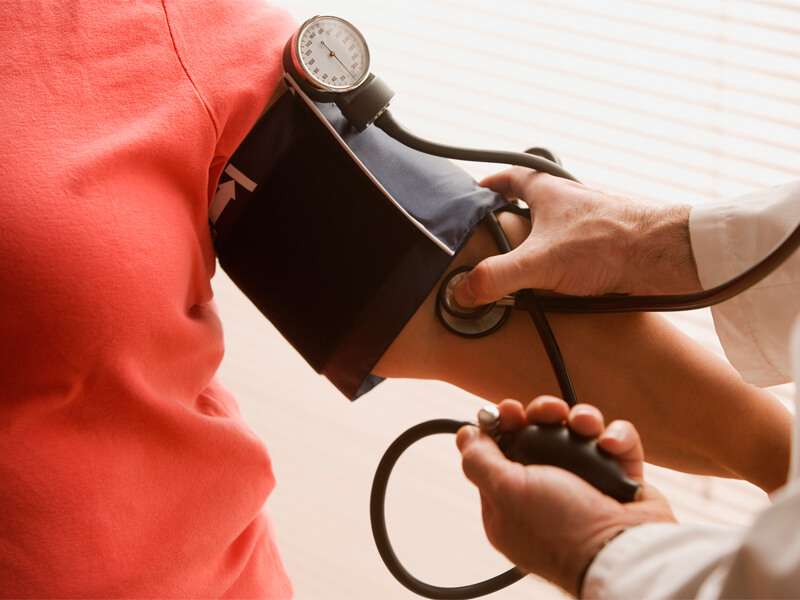
Hypertension, commonly known as high blood pressure, is a chronic medical condition that can lead to serious health complications if left untreated. It is often referred to as a 'silent killer' because many individuals experience no symptoms.
- Symptoms: Typically asymptomatic, but some may experience headaches, nosebleeds, or shortness of breath.
- Causes: Factors include genetics, obesity, lack of physical activity, high salt intake, and excessive alcohol consumption.
- Diagnosis: Blood pressure measurements taken during routine check-ups or with at-home monitors are essential for diagnosing hypertension.
- Treatment options: Lifestyle changes such as diet modifications and regular exercise are crucial; medications like diuretics and ACE inhibitors may also be prescribed.
- What to expect: With proper management, individuals can control their blood pressure effectively and reduce the risk of heart disease and stroke.
Awareness and regular monitoring are key in managing hypertension effectively. Consult a healthcare provider for personalized advice on maintaining healthy blood pressure levels.