
Dr Ram Chitlangi
About Me
Dr Ram Chitlangi
MD
Internal Medicine
10 Years Experience
Biography
My Clinic
OPD Hours
| Monday | Morning | 10:00 AM | - | 02:00 PM |
| Evening | 06:00 PM | - | 09:00 PM | |
| Tuesday | Morning | 10:00 AM | - | 02:00 PM |
| Evening | 06:00 PM | - | 09:00 PM | |
| Wednesday | Morning | 10:00 AM | - | 02:00 PM |
| Evening | 06:00 PM | - | 09:00 PM | |
| Thursday | Morning | 10:00 AM | - | 02:00 PM |
| Evening | 06:00 PM | - | 09:00 PM | |
| Friday | Morning | 10:00 AM | - | 02:00 PM |
| Evening | 06:00 PM | - | 09:00 PM | |
| Saturday | Morning | 10:00 AM | - | 02:00 PM |
| Evening | 06:00 PM | - | 09:00 PM | |
| Sunday | Morning | 10:00 AM | - | 02:00 PM |
| Evening | 06:00 PM | - | 09:00 PM |
Treatments
Specialised care and treatments offered
PULMONARY FUNCTION TESTING (PFT)
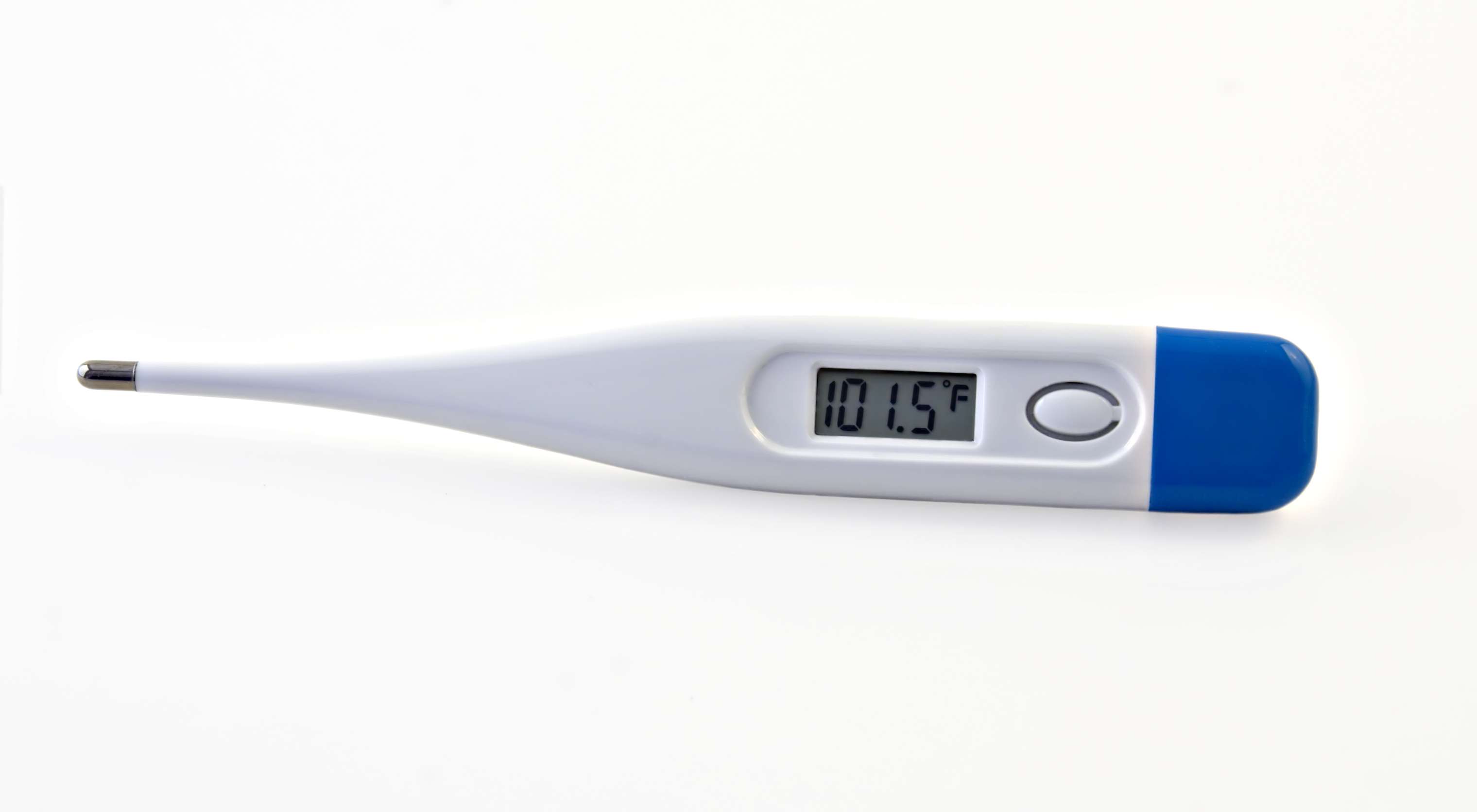
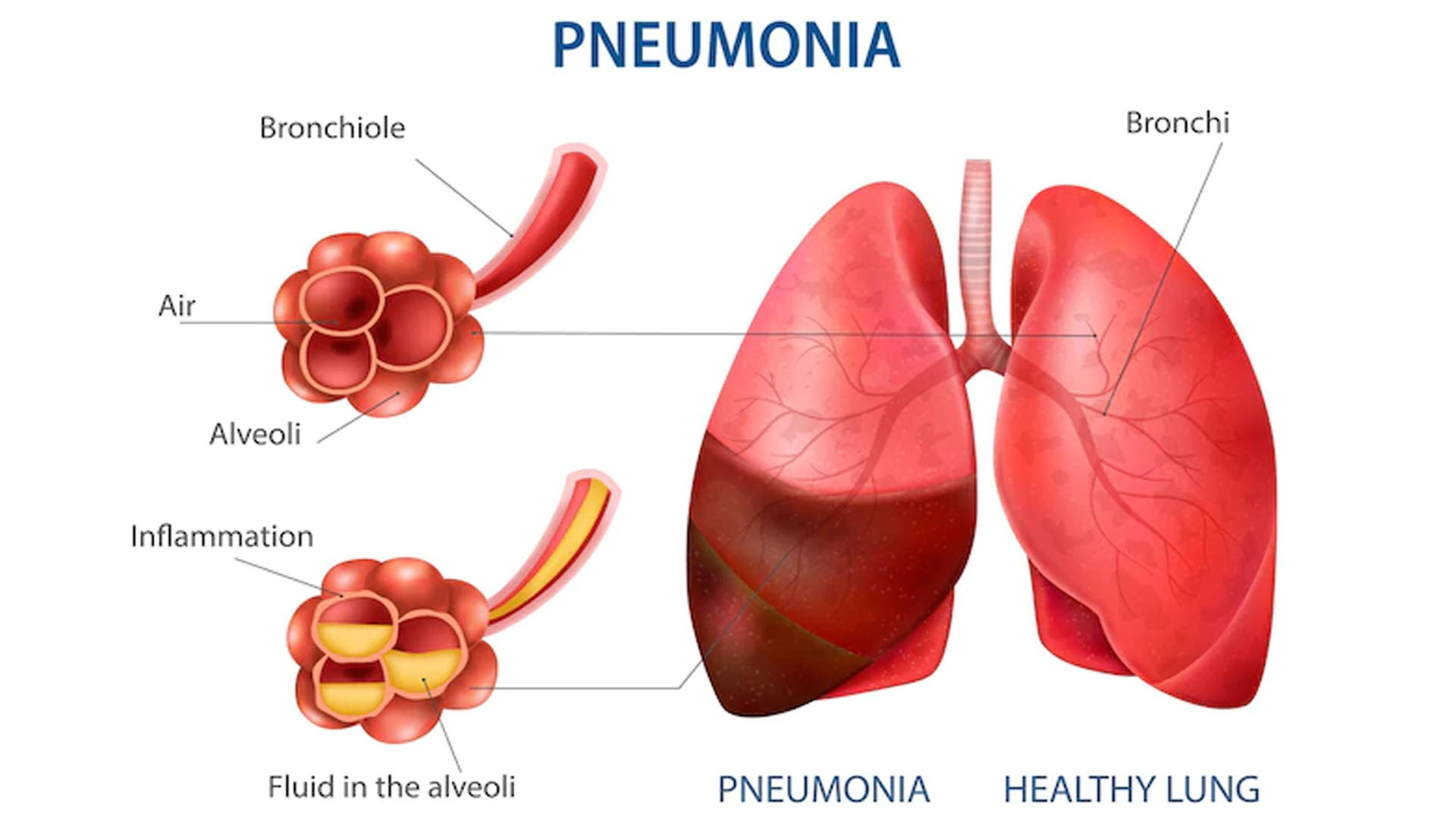
PFTs are essential tools used by clinicians to evaluate lung function comprehensively. They help diagnose respiratory disorders which affect breathing efficiency and oxygen transfer capability.
- Syndromes assessed include: Asthma, chronic obstructive pulmonary disease (COPD), restrictive lung diseases among others presenting with cough or dyspnea.
- The testing process involves: Breathing maneuvers using specialized equipment measuring volumes and airflow rates under different conditions.
MANAGEMENT OF TYPE 2 DIABETES MELLITUS
This chronic metabolic disorder involves difficulty regulating blood sugar levels due to insulin resistance. Proper management is critical to prevent complications affecting multiple organ systems.
- Symptoms often include: Excessive thirst, frequent urination, fatigue, and slow wound healing.
- Diagnosis criteria involve: Fasting glucose tests, oral glucose tolerance tests, and HbA1c measurements showing elevated blood sugar levels over time.
- Treatment strategies focus on: Lifestyle modifications such as diet changes and physical activity along with medications including oral agents or insulin if necessary.
- The goal is well-controlled sugar levels: To reduce risks like cardiovascular disease, neuropathy, kidney damage and eye problems through regular monitoring and adherence to therapy plans.
A comprehensive approach empowers patients toward better health outcomes by controlling this complex condition effectively over time.
ULTRASOUND-GUIDED FINE NEEDLE ASPIRATION BIOPSY
This minimally invasive biopsy technique allows precise sampling of suspicious lumps or masses in various organs. It aids in accurate diagnosis without extensive surgery.
- Indications: Evaluation of thyroid nodules, lymph nodes, liver lesions among others based on clinical suspicion.
- The role of ultrasound: Provides real-time imaging to guide needle placement safely into the target area.
- The procedure itself: Usually done under local anesthesia with quick recovery times and minimal discomfort.
- Post-procedure care: Minor soreness possible; results typically available within days to guide further management decisions.
This method offers important diagnostic clarity while reducing patient risk compared to open biopsies.
ENDOSCOPY FOR GASTROINTESTINAL EVALUATION
A detailed view inside the digestive tract allows physicians to identify and treat many internal issues effectively. Endoscopy serves as both a diagnostic and therapeutic tool for gastrointestinal concerns.
- Symptoms prompting endoscopy: Persistent abdominal pain, bleeding, difficulty swallowing, or unexplained weight loss.
- Procedure: A flexible tube with a camera is inserted through the mouth or rectum depending on the target area.
- Treatment aspects: Can include biopsy collection, polyp removal, or dilation of strictures during the exam.
- What to expect post-procedure: Mild throat discomfort or bloating; most resume daily routines quickly.
This examination helps detect ulcers, inflammation, cancers, and other conditions early for prompt treatment planning.
CORONARY ANGIOPLASTY
When blood flow to the heart muscle is restricted due to narrowed or blocked arteries, restoring circulation is critical. Coronary angioplasty is a minimally invasive procedure designed to widen these arteries and improve cardiac health.
- Causes and symptoms: Often due to atherosclerosis, patients may experience chest pain, shortness of breath, or fatigue.
- Diagnosis: Confirmed via coronary angiography which visualizes arterial blockages.
- Treatment: Involves inserting a balloon catheter to dilate the artery, often placing a stent to keep it open.
- Expectations: Procedure typically completed within an hour; most patients resume normal activities within days, with follow-up for medication and lifestyle management.
This intervention significantly reduces heart attack risk and improves quality of life by restoring adequate blood flow.