
Dr Ram Daga
About Me
Dr Ram Daga
MBBS
General Physician
Biography
My Clinic
OPD Hours
| Monday | Morning | 10:00 AM | - | 02:00 PM |
| Evening | 06:00 PM | - | 09:00 PM | |
| Tuesday | Morning | 10:00 AM | - | 02:00 PM |
| Evening | 06:00 PM | - | 09:00 PM | |
| Wednesday | Morning | 10:00 AM | - | 02:00 PM |
| Evening | 06:00 PM | - | 09:00 PM | |
| Thursday | Morning | 10:00 AM | - | 02:00 PM |
| Evening | 06:00 PM | - | 09:00 PM | |
| Friday | Morning | 10:00 AM | - | 02:00 PM |
| Evening | 06:00 PM | - | 09:00 PM | |
| Saturday | Morning | 10:00 AM | - | 02:00 PM |
| Evening | 06:00 PM | - | 09:00 PM | |
| Sunday | Morning | 10:00 AM | - | 02:00 PM |
| Evening | 06:00 PM | - | 09:00 PM |
Treatments
Specialised care and treatments offered
GASTROINTESTINAL HEALTH ASSESSMENT
A gastrointestinal health assessment involves evaluating digestive system function to identify conditions affecting gut health. This process aids in diagnosing issues ranging from mild discomforts to serious diseases involving the GI tract.
- < lig Common Symptoms :">IndigestionManagement Strategies :">< espa n=" font-weight : bold ;">
PREVENTIVE HEALTH SCREENINGS

THYROID FUNCTION EVALUATION
The thyroid gland plays a crucial role in regulating metabolism through hormone production. Evaluating thyroid function helps diagnose disorders that can affect overall health significantly.
- Symptoms of Thyroid Issues: Symptoms may vary from fatigue and weight changes to mood disturbances depending on whether the thyroid is overactive or underactive.
- Causative Factors : Family history or autoimmune conditions can lead to dysfunctions such as hypothyroidism or hyperthyroidism.
- Diagnosis : Blood tests measuring thyroid hormone levels (TSH) are typically used for assessment.
- Treatment Options : Depending on the findings , options may include medication supplementation , radioactive iodine therapy , or surgical intervention .
- Future Monitoring : Regular follow-up visits ensure proper management of any diagnosed conditions while monitoring hormone levels consistently .
This evaluation is key in overcoming the challenges posed by thyroid-related ailments .
ALLERGY TESTING
An allergy occurs when the immune system reacts abnormally to certain substances. Allergy testing helps identify specific allergens that trigger reactions in patients.
- Symptoms: Patients may experience sneezing, itching, hives, or even anaphylaxis in severe cases when exposed to allergens.
- Causative Agents: Common allergens include pollen, dust mites, pet dander, certain foods, and insect stings.
- The Diagnosis Process: Skin prick tests or blood tests can determine sensitivity to various allergens safely and effectively.
- Treatment Options: Management includes avoiding known allergens and may involve medications like antihistamines or immunotherapy for long-term relief.
- Your Expectations: Post-testing advice will guide you in managing allergies effectively based on specific triggers identified during testing.
If you suspect allergies are affecting your life quality, seeking professional evaluation is highly beneficial.
DIABETES SCREENING

Diabetes is a chronic condition characterized by elevated blood sugar levels. Early detection through screening is vital to manage the disease effectively and prevent complications.
- Symptoms: Common symptoms include increased thirst, frequent urination, fatigue, and blurred vision.
- Causes: Factors such as obesity, family history, sedentary lifestyle, and unhealthy diets contribute to developing diabetes.
- Diagnosis: Blood tests including fasting plasma glucose or A1C tests are standard methods for diagnosis.
- Treatment Approaches: Patients may require dietary changes, increased physical activity, and possibly insulin therapy depending on severity.
- Your Journey: Regular follow-ups are important for monitoring blood sugar levels and adjusting treatment plans accordingly.
A proactive approach to diabetes can help maintain health and enhance quality of life.
HYPERTENSION MANAGEMENT
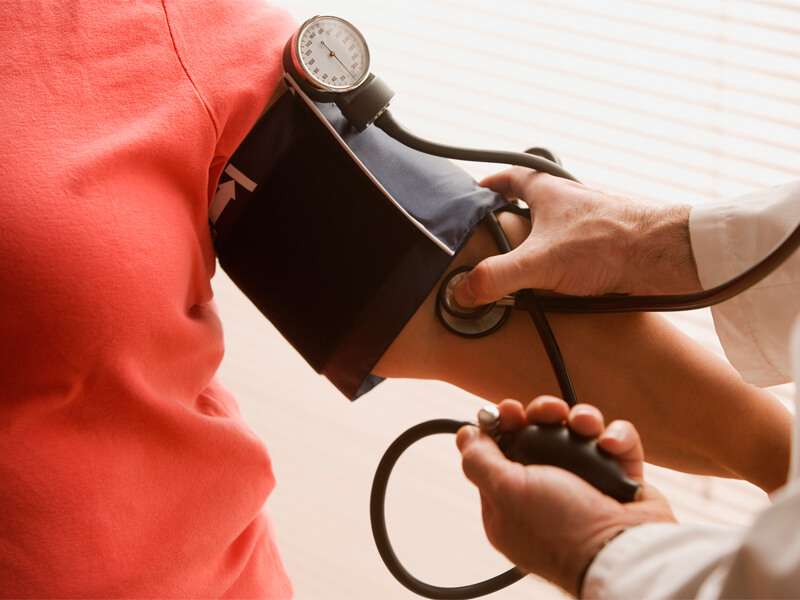
Hypertension, or high blood pressure, is a common condition that can lead to serious health issues if not properly managed. It often has no symptoms, making regular monitoring essential for prevention and care.
- Symptoms: Many patients experience headaches, shortness of breath, or nosebleeds, but these are generally not specific to hypertension.
- Causes: Risk factors include obesity, excessive salt intake, lack of physical activity, and genetic predisposition.
- Diagnosis: Blood pressure is measured using a sphygmomanometer; multiple readings may be taken to confirm diagnosis.
- Treatment Options: Management includes lifestyle changes such as diet and exercise, along with medications like diuretics or ACE inhibitors if necessary.
- What to Expect: Regular check-ups will help monitor your condition and adjust treatments as needed for optimal control.
Effective management of hypertension is crucial for reducing the risk of heart disease and stroke.