
Dr Ram Malkani
About Me
Dr Ram Malkani
Dermatologist
Biography
My Clinic
OPD Hours
| Tuesday | Morning | 10:00 AM | - | 02:00 PM |
| Evening | 06:00 PM | - | 09:00 PM | |
| Wednesday | Morning | 10:00 AM | - | 02:00 PM |
| Evening | 06:00 PM | - | 09:00 PM | |
| Thursday | Morning | 10:00 AM | - | 02:00 PM |
| Evening | 06:00 PM | - | 09:00 PM | |
| Friday | Morning | 10:00 AM | - | 02:00 PM |
| Evening | 06:00 PM | - | 09:00 PM | |
| Saturday | Morning | 10:00 AM | - | 02:00 PM |
| Evening | 06:00 PM | - | 09:00 PM | |
| Sunday | Morning | 10:00 AM | - | 02:00 PM |
| Evening | 06:00 PM | - | 09:00 PM | |
| Thursday | Morning | 10:00 AM | - | 02:00 PM |
| Evening | 06:00 PM | - | 09:00 PM |
Treatments
Specialised care and treatments offered
SKIN CANCER SCREENING
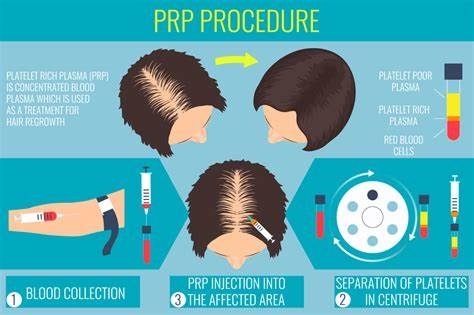
Skin cancer screening involves examining your skin for signs of cancerous lesions. Early detection significantly increases treatment success rates for various types of skin cancer including melanoma
- Key warning signs might include new growths or changes in existing moles present on your body over time.
- Dermatologists utilize visual assessments paired with dermatoscopic examinations during screenings allowing for detailed evaluation when necessary.
- Patients should perform regular self-examinations while also scheduling annual dermatological check-ups for early detection purposes especially if they possess risk factors like family history or previous sunburns.
- Following recommendations regarding protective measures against UV rays further contributes towards minimizing risks associated with developing Skin cancers later down road .
Consistent monitoring enables quick response should concerning changes occur empowering individuals take charge their health proactively .
FUNGAL INFECTIONS
Fungal infections affect various parts of the body including the skin, nails, and scalp. These infections are prevalent due to various factors such as humidity and compromised immune systems.
- Symptoms may vary but typically involve itching, redness, flaking skin or discoloration of nails depending on the fungal type involved.
- The diagnosis usually requires examination along with cultures or scrapings from affected areas if needed for confirmation.
- Treatment options frequently include antifungal creams or oral medications targeting specific fungi causing infection.
- Proper hygiene practices are critical in preventing recurrence once treated effectively.
With diligent care and adherence to prescribed treatments most patients successfully overcome fungal infections.
ROSACEA
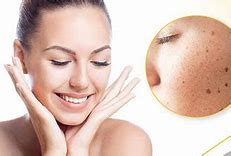
Rosacea is a chronic inflammatory condition that primarily affects the facial skin. Characterized by redness, visible blood vessels, and sometimes bumps resembling acne; it requires careful management for symptomatic relief.
- Key symptoms include flushing or persistent redness across the cheeks and nose as well as sensitive skin that may react easily to certain products.
- A dermatologist diagnoses rosacea through clinical evaluation rather than any specific tests.
- Treatment might involve topical medications like azelaic acid or oral antibiotics in more severe cases to reduce inflammation and redness.
- Avoiding known triggers such as sun exposure or hot beverages is essential for managing this condition effectively.
Patients can achieve lasting results through consistent treatment tailored to their specific needs.
PSORIASIS
Psoriasis is an autoimmune disease that results in rapid skin cell growth leading to scaling on the skin's surface. This chronic condition often goes through cycles of flare-ups and remission.
- Common symptoms include thickened red patches covered with silvery scales typically found on elbows, knees, and scalp.
- The diagnosis is usually made through a visual inspection by a dermatologist along with a review of medical history.
- Treatment options range from topical treatments like corticosteroids to systemic medications that target immune responses.
- Regular follow-up appointments can help gauge treatment effectiveness and adjust plans accordingly for optimal results.
With appropriate management strategies, many patients find relief from their symptoms over time.
ECZEMA
Eczema, also known as atopic dermatitis, is a chronic inflammatory skin condition characterized by dry, itchy patches of skin. It often begins in childhood but can persist into adulthood.
- This condition is typically marked by symptoms such as red inflamed areas and severe itching.
- A healthcare provider will diagnose eczema based on the appearance of the skin and patient history.
- Treatment often includes moisturizers, corticosteroids, and immunomodulators to relieve symptoms.
- Managing triggers like allergens or stressors can help minimize flare-ups for those affected.
A comprehensive treatment plan can lead to significant relief from this uncomfortable condition.
ACNE
Acne is a common skin condition that affects many individuals, particularly during adolescence. It occurs when hair follicles become clogged with oil and dead skin cells.
- Symptoms include pimples, blackheads, and cysts primarily on the face, back, and shoulders.
- It is often diagnosed through a physical examination of the skin and a review of medical history.
- Treatment options may include topical retinoids, antibiotics, or hormonal therapies to reduce excessive oil production.
- Patients can expect gradual improvement with consistent treatment; maintaining a proper skincare routine is crucial.
A proactive approach can significantly manage acne and improve self-esteem among those affected.