
Dr Ram Narain Sai
About Me
Dr Ram Narain Sai
MD
Diabetologist
Biography
My Clinic
OPD Hours
| Monday | Morning | 10:00 AM | - | 02:00 PM |
| Evening | 06:00 PM | - | 09:00 PM | |
| Tuesday | Morning | 10:00 AM | - | 02:00 PM |
| Evening | 06:00 PM | - | 09:00 PM | |
| Wednesday | Morning | 10:00 AM | - | 02:00 PM |
| Evening | 06:00 PM | - | 09:00 PM | |
| Thursday | Morning | 10:00 AM | - | 02:00 PM |
| Evening | 06:00 PM | - | 09:00 PM | |
| Friday | Morning | 10:00 AM | - | 02:00 PM |
| Evening | 06:00 PM | - | 09:00 PM | |
| Saturday | Morning | 10:00 AM | - | 02:00 PM |
| Evening | 06:00 PM | - | 09:00 PM | |
| Sunday | Morning | 10:00 AM | - | 02:00 PM |
| Evening | 06:00 PM | - | 09:00 PM |
Treatments
Specialised care and treatments offered
FOOT CARE MANAGEMENT

Poor foot care in diabetics can lead to serious complications. Regular assessment of foot health is vital for preventing problems such as infections or ulcers caused by neuropathy and poor circulation.
- Symptoms: Signs may include numbness, tingling sensations, cuts that heal slowly, and changes in skin color.
- Eldiagnosis: : Regular podiatric evaluations ensure early identification of potential issues impacting foot health before they escalate into severe problems.
- Treatment Strategies: : Good hygiene practices combined with appropriate footwear are emphasized along with referrals where necessary
- Your Journey: : Staying proactive about foot inspections facilitates prompt intervention which could prevent limb loss. l> p>The importance placed on preventative measures cannot be overstated; they're key players against diabetes-related ailments regarding feet.
DIETARY PLANNING
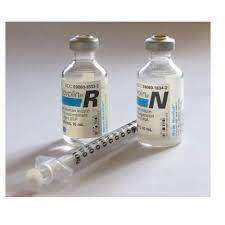
A well-structured dietary plan is essential for effective diabetes management. Proper nutrition helps in controlling blood sugar levels while promoting overall wellness.
- Symptoms: Uncontrolled cravings or sudden weight fluctuations may indicate a need for dietary reassessment.
- Diagnosis : A registered dietitian evaluates current eating habits through assessments which might include food diaries
- Treatment : Tailored meal plans focusing on carbohydrate counting ensures steady energy without spikes in blood sugar
- What : Regular follow-up meetings help refine approaches while encouraging consistency
Adapting your diet isn’t just about restrictions; it contributes positively towards achieving long-term health goals
DIABETES EDUCATION
An integral part of managing diabetes involves education about the disease, its effects, and how to maintain a healthy lifestyle. Knowledge empowers patients to take charge of their health journey effectively.
- Symptoms/Effects: Understanding potential symptoms like fatigue or frequent mood swings highlights when to seek assistance or make lifestyle adjustments.
- Treatment Goals: Education focuses on nutrition, exercise plans, medication adherence, and recognizing signs of high or low blood sugar levels.
The objective is not only management but also prevention of complications through informed decision-making around daily practices related to diabetes care. An informed patient community tends to exhibit better health outcomes overall.
CONTINUOUS GLUCOSE MONITORING (CGM)
This innovative technology provides real-time insights into an individual’s blood glucose trends throughout the day. It is especially beneficial for those who struggle with maintaining stable glucose levels.
- Symptoms: Fluctuating energy levels or unexpected hypoglycemic episodes can indicate a need for continuous monitoring.
- Diagnosis: CGM devices involve sensors placed under the skin that effectively track glucose changes over time, usually reviewed by medical professionals periodically.
- Treatment Approach: The data collected assists in adjusting diet, activity level, and medication usage based on trends observed from the CGM system.
- Your Experience: Users often report feeling more empowered in their diabetes management due to accessible data that informs their daily choices.
This strategy enhances awareness and fosters better decision-making regarding health behaviors.
INSULIN THERAPY
This treatment is essential for many individuals with Type 1 diabetes and some with Type 2 diabetes. Insulin therapy helps to control blood glucose levels when the body cannot produce enough insulin.
- Symptoms: Symptoms indicating the need for insulin include elevated blood glucose readings and symptoms of hyperglycemia like increased hunger and thirst.
- Diagnosis: A healthcare professional will assess fasting blood sugar levels and conduct other diagnostic tests to determine the necessity of insulin therapy.
- Treatment Management: Insulin can be administered through injections or an insulin pump depending on individual needs, alongside monitoring blood sugar regularly.
- What to Expect: Adopting this therapy often leads to better glycemic control and reduced risk of diabetic complications when managed properly.
A tailored treatment plan is crucial for optimal health benefits.
BLOOD SUGAR MONITORING
Regular monitoring of blood sugar levels is crucial for individuals with diabetes. This practice helps to manage the condition effectively and avoid complications.
- Symptoms: High or low blood sugar can lead to symptoms such as excessive thirst, frequent urination, fatigue, and blurred vision.
- Diagnosis: Blood sugar levels are typically measured using a glucometer, hemoglobin A1c tests, or continuous glucose monitors.
- Treatment Options: Management may include lifestyle changes, dietary adjustments, medication like insulin therapy, and routine blood tests to track progress.
- What to Expect: Consistent monitoring allows for timely interventions when blood sugar levels fall outside the normal range.
This proactive approach in diabetes management can significantly improve overall health outcomes.