
Dr Raman M Shenoy
About Me
Dr Raman M Shenoy
Internal Medicine
Biography
My Clinic
OPD Hours
| Tuesday | Morning | 10:00 AM | - | 02:00 PM |
| Evening | 06:00 PM | - | 09:00 PM | |
| Wednesday | Morning | 10:00 AM | - | 02:00 PM |
| Evening | 06:00 PM | - | 09:00 PM | |
| Thursday | Morning | 10:00 AM | - | 02:00 PM |
| Evening | 06:00 PM | - | 09:00 PM | |
| Friday | Morning | 10:00 AM | - | 02:00 PM |
| Evening | 06:00 PM | - | 09:00 PM | |
| Saturday | Morning | 10:00 AM | - | 02:00 PM |
| Evening | 06:00 PM | - | 09:00 PM | |
| Sunday | Morning | 10:00 AM | - | 02:00 PM |
| Evening | 06:00 PM | - | 09:00 PM | |
| Thursday | Morning | 10:00 AM | - | 02:00 PM |
| Evening | 06:00 PM | - | 09:00 PM |
Treatments
Specialised care and treatments offered
CHRONIC KIDNEY DISEASE (CKD)
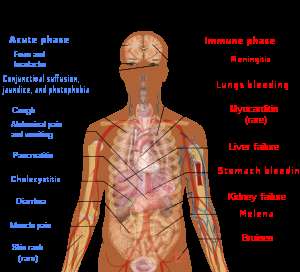
This progressive loss of kidney function often develops slowly over years. CKD could lead to end-stage renal disease if not appropriately managed through timely interventions based on its cause...
DIABETES MELLITUS TYPE 2
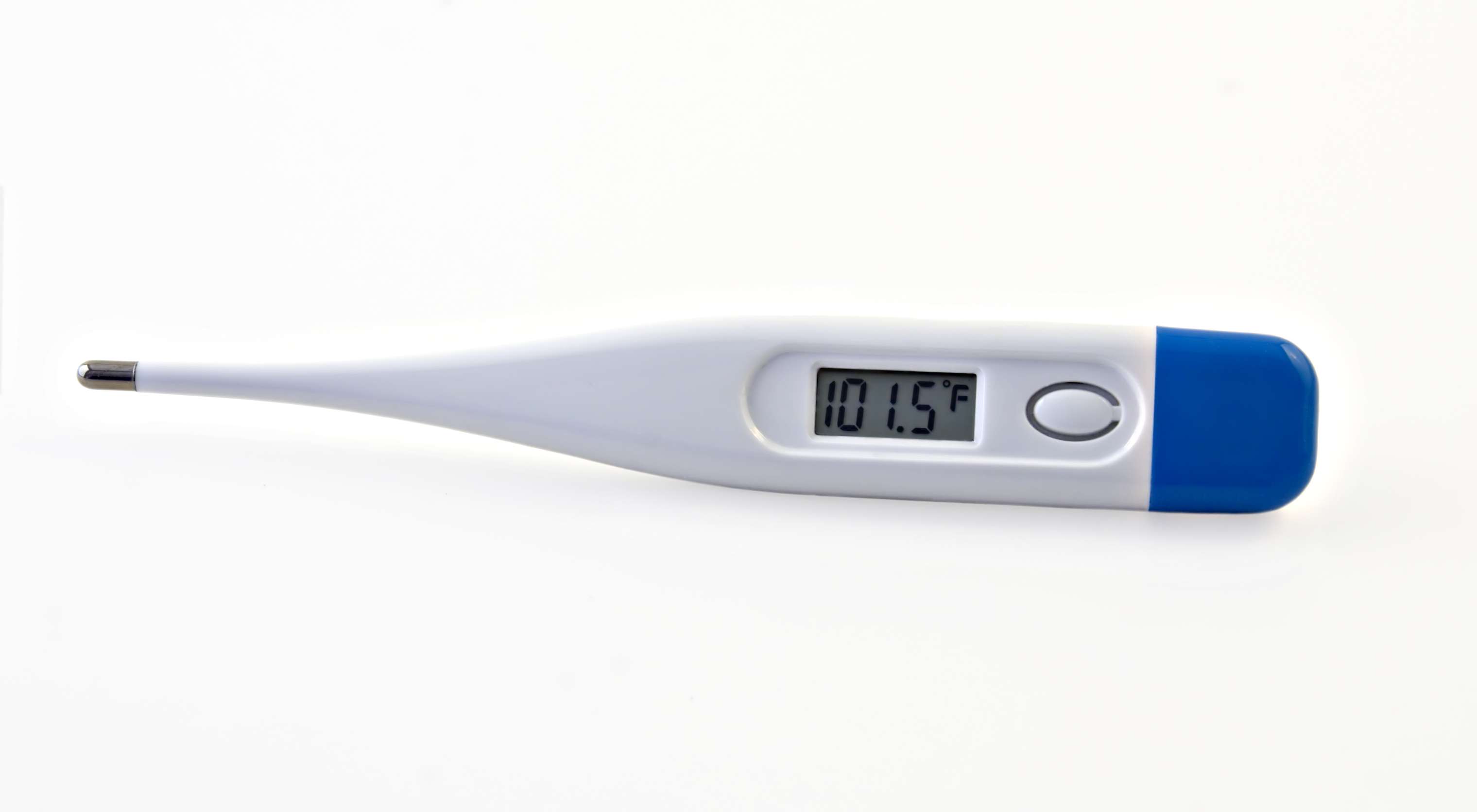
This chronic condition affects how your body metabolizes glucose (sugar). Over time, high glucose levels can lead to serious complications affecting various organs if not managed properly.
- The initial symptoms, which may go unnoticed, include excessive thirst, frequent urination, fatigue, and blurred vision.
- A diagnosis generally requires fasting blood sugar tests or hemoglobin A1c levels confirming elevated glucose over time.
- Treatment focuses on lifestyle changes—dietary modifications paired with increased physical activity—and pharmacological interventions when necessary such as metformin or insulin therapy in more advanced cases.
An individualized care plan aimed at controlling glucose levels can lead to effective management of diabetes over time. Regular check-ups are essential for monitoring potential complications associated with this disease process.
HEART FAILURE
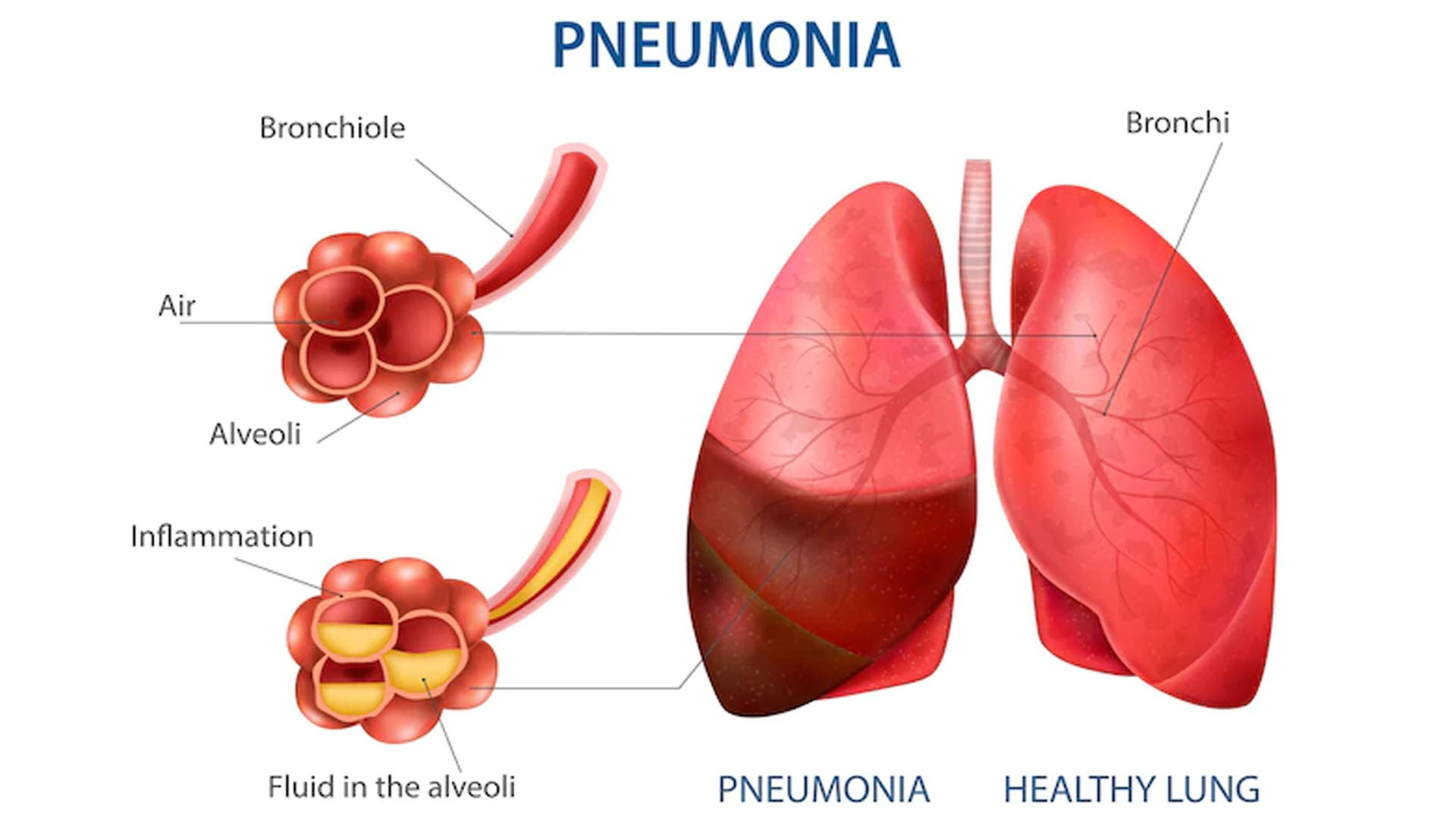
This condition arises when the heart cannot pump sufficient blood to meet the body's needs. It can develop gradually or suddenly due to various underlying issues including coronary artery disease or hypertension.
- The most common symptoms involve shortness of breath during activity or while lying flat, fatigue, swollen legs or ankles due to fluid retention.
- Disease evaluation often includes echocardiograms, electrocardiograms (ECG), and lab tests assessing kidney function among others.
- Treatment modalities range from lifestyle changes such as diet modification and exercise programs to medications like ACE inhibitors and diuretics for symptom management.
A comprehensive approach addressing both medication adherence and regular monitoring significantly enhances quality of life for patients living with heart failure.
SEPSIS
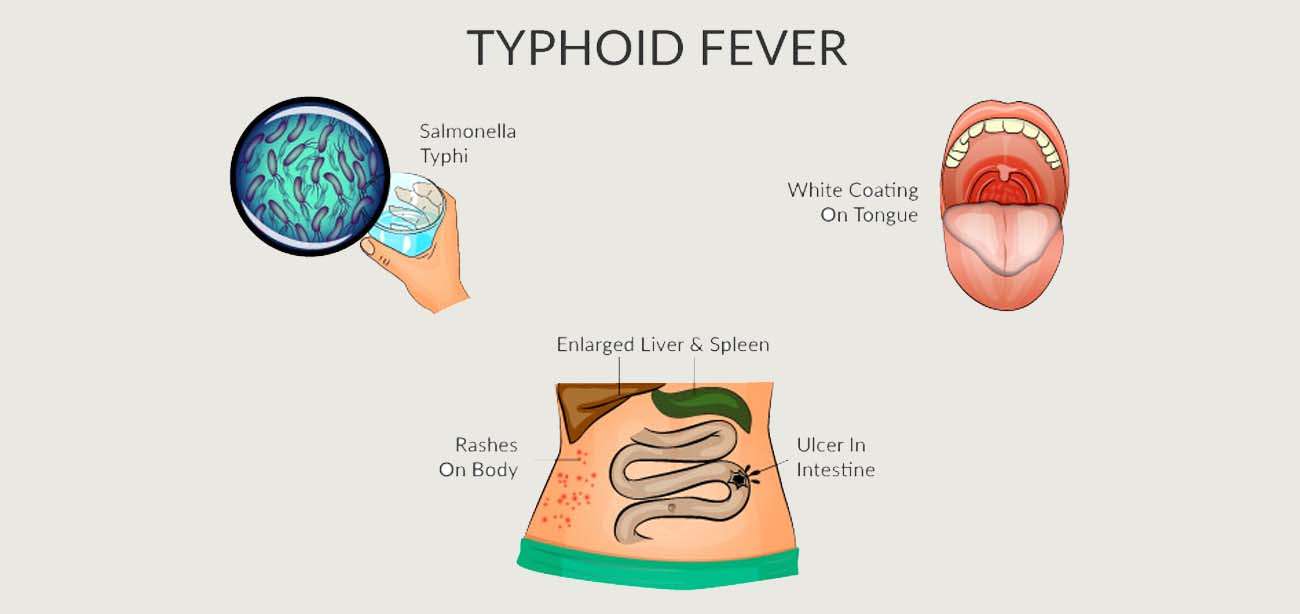
Sepsis is a life-threatening response to infection that can lead to organ failure. Recognizing and treating it swiftly is crucial for patient survival.
- Main symptoms include fever, chills, rapid heart rate, confusion, and difficulty breathing.
- The diagnosis usually involves clinical evaluation along with laboratory tests like blood cultures to identify the causative organism.
- Treatment starts with intravenous antibiotics along with fluid resuscitation to support blood pressure and organ function.
- In some severe cases, additional interventions like vasopressors or surgical procedures may be necessary to control infection sources.
The outcome greatly improves with early intervention; hence timely medical attention is essential.
PULMONARY EMBOLISM
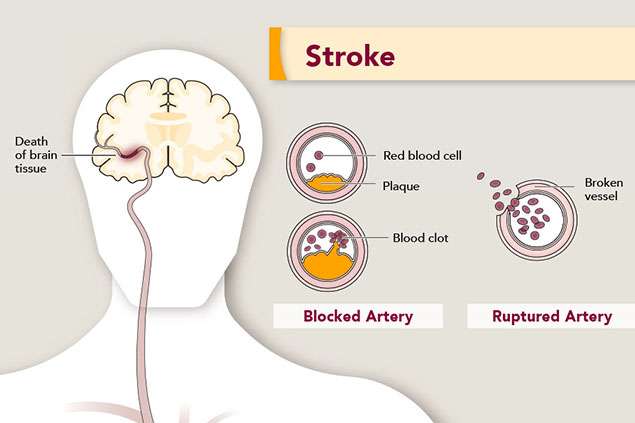
Pulmonary embolism occurs when a blood clot travels to the lungs, blocking blood flow. It can lead to severe complications if not diagnosed and treated promptly.
- The primary symptoms include sudden shortness of breath, chest pain that worsens with deep breaths, and coughing up blood.
- This condition is diagnosed using imaging tests such as CT pulmonary angiography or V/Q scanning along with blood tests.
- Treatment often involves anticoagulants to prevent further clotting and may require procedures like thrombolysis for severe cases.
- The prognosis depends on the size of the clot and how quickly treatment is initiated.
Awareness of risk factors such as recent surgery or prolonged immobility can help in early detection.
ACUTE RESPIRATORY DISTRESS SYNDROME (ARDS)
Acute Respiratory Distress Syndrome is a severe respiratory condition characterized by rapid onset of widespread inflammation in the lungs. This condition can result from various causes, including pneumonia, sepsis, and trauma.
- Symptoms may include severe shortness of breath, rapid breathing, and low blood oxygen levels.
- Diagnosis typically involves a physical exam, chest X-ray or CT scan, and arterial blood gas tests to assess oxygen levels.
- Treatment focuses on providing supportive care such as mechanical ventilation and oxygen therapy to improve breathing.
- Managing underlying conditions like infections is critical to recovery in ARDS patients.
- A thorough follow-up is essential since some individuals may experience lasting lung damage.
Early recognition and treatment are vital for improving outcomes in this critical condition.