
Dr Ramandar Garg
About Me
Dr Ramandar Garg
MS
Orthopaedic Surgeons
10 Years Experience
Biography
My Clinic
OPD Hours
| Monday | Morning | 10:00 AM | - | 02:00 PM |
| Evening | 06:00 PM | - | 09:00 PM | |
| Tuesday | Morning | 10:00 AM | - | 02:00 PM |
| Evening | 06:00 PM | - | 09:00 PM | |
| Wednesday | Morning | 10:00 AM | - | 02:00 PM |
| Evening | 06:00 PM | - | 09:00 PM | |
| Thursday | Morning | 10:00 AM | - | 02:00 PM |
| Evening | 06:00 PM | - | 09:00 PM | |
| Friday | Morning | 10:00 AM | - | 02:00 PM |
| Evening | 06:00 PM | - | 09:00 PM | |
| Saturday | Morning | 10:00 AM | - | 02:00 PM |
| Evening | 06:00 PM | - | 09:00 PM | |
| Sunday | Morning | 10:00 AM | - | 02:00 PM |
| Evening | 06:00 PM | - | 09:00 PM |
Treatments
Specialised care and treatments offered
FRACTURE HEALING AND REHABILITATION
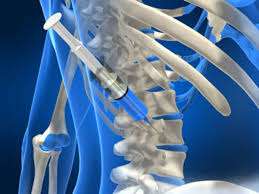
Bones break as a result of trauma such as falls or accidents. Proper fracture care ensures effective healing while restoring function afterward. Different bones require specific approaches based on location and severity of injury.
- Initial assessment includes X-rays confirming fracture type—simple vs compound—and displacement extent determining treatment strategy (diagnosis).
- Treatment modalities vary: immobilization using casts or braces for stable fractures; surgical fixation using plates, screws, nails provides alignment when bones are displaced;
- Pain control methods include analgesics combined with elevation/ice application;
- Rehabilitation involves guided physiotherapy focused on restoring strength & mobility once bone union begins;
Close monitoring throughout ensures complications are minimized enabling full functional recovery timed with biological healing processes.
TENNIS ELBOW (LATERAL EPICONDYLITIS) CARE
Tennis elbow is an overuse injury causing inflammation of tendons attaching to the lateral elbow region. It leads to persistent forearm pain aggravated by gripping or lifting motions common in sports or repetitive tasks.
- The key symptom is pain located on the outside of the elbow increasing during wrist extension activities like holding a racquet or tools.
- The condition is diagnosed clinically with tenderness over epicondyle combined with patient activity history; sometimes imaging rules out other issues.
- Treatment generally incorporates rest from aggravating movements alongside NSAIDs for inflammation control; physical therapy helps tendon healing through stretching exercises;
- If symptoms persist beyond 6 months despite conservative measures, injections (corticosteroids or platelet-rich plasma) or rarely surgery might be considered to release damaged tissue portions supporting long-term relief.
Early recognition paired with adherence to prescribed management reduces discomfort allowing gradual return to daily functions.
ANTERIOR CRUCIATE LIGAMENT (ACL) RECONSTRUCTION

The ACL is a critical ligament for knee stability. Injuries often occur during sports involving sudden stops or changes in direction. An ACL tear results in instability making everyday activities challenging.
- Affected individuals notice a popping sound during injury followed by swelling and difficulty bearing weight due to knee instability (symptoms).
- The diagnosis relies on clinical tests supported by MRI imaging showing ligament integrity disruption.
- Mild sprains may be treated with rest and physiotherapy; however, complete tears often require surgical reconstruction, replacing the damaged ligament using grafts from elsewhere in the body or donor tissue.
- A structured rehabilitation program post-surgery restores strength and range of motion essential for full recovery over months.
Efficacious treatment enhances knee stability allowing return to pre-injury activities safely.
CARPAL TUNNEL SYNDROME TREATMENT

This condition occurs due to compression of the median nerve within the wrist's carpal tunnel, leading to hand numbness and tingling. It commonly affects individuals performing repetitive hand motions.
- Main symptoms: numbness, tingling in thumb through ring finger, nocturnal hand pain or weakness gripping objects.
- Doctors use patient history alongside nerve conduction studies or electromyography for accurate detection.
- Treatment starts with wrist splinting at night to keep the wrist neutral; activity modification helps reduce stress on nerve structures.
- If conservative approaches fail, surgical decompression, releasing pressure on the median nerve via cutting the transverse carpal ligament, may be necessary.
Most patients experience symptom relief with timely intervention avoiding permanent nerve damage.
ROTATOR CUFF TEAR REPAIR

The rotator cuff is a group of muscles and tendons stabilizing the shoulder joint. Tears can cause significant discomfort and limit arm movements. These injuries may result from trauma or chronic degeneration.
- Symptoms include shoulder pain that worsens with overhead activities, weakness, and a limited range of motion.
- A clinical evaluation alongside imaging techniques such as MRI confirms the diagnosis and extent of the tear.
- Treatment begins conservatively with rest, anti-inflammatory medication, and physical therapy focusing on muscle strengthening.
- If symptoms persist or tears are large, surgical repair is often recommended to reattach torn tendons to bone, improving function.
An early diagnosis followed by appropriate management improves outcomes significantly for shoulder function restoration.
OSTEOARTHRITIS MANAGEMENT

Osteoarthritis is a common joint disorder characterized by the gradual breakdown of cartilage, leading to pain and stiffness. It most frequently affects weight-bearing joints such as the knees and hips.
- Symptoms include joint pain during or after movement, stiffness especially in the morning or after inactivity, and decreased flexibility.
- Diagnosis involves physical examination, patient history, and imaging tests such as X-rays to assess cartilage loss and bone changes.
- Treatment options range from lifestyle modifications like weight loss and exercise to medications including NSAIDs for pain relief; in advanced cases, surgical interventions like joint replacement may be considered.
- Management also involves physical therapy to strengthen muscles around joints and improve mobility.
With appropriate care, patients can maintain function and reduce symptoms effectively over time.