
Dr Ramanis Dent
About Me
Dr Ramanis Dent
MBBS
General Physician
Biography
My Clinic
OPD Hours
| Monday | Morning | 10:00 AM | - | 02:00 PM |
| Evening | 06:00 PM | - | 09:00 PM | |
| Tuesday | Morning | 10:00 AM | - | 02:00 PM |
| Evening | 06:00 PM | - | 09:00 PM | |
| Wednesday | Morning | 10:00 AM | - | 02:00 PM |
| Evening | 06:00 PM | - | 09:00 PM | |
| Thursday | Morning | 10:00 AM | - | 02:00 PM |
| Evening | 06:00 PM | - | 09:00 PM | |
| Friday | Morning | 10:00 AM | - | 02:00 PM |
| Evening | 06:00 PM | - | 09:00 PM | |
| Saturday | Morning | 10:00 AM | - | 02:00 PM |
| Evening | 06:00 PM | - | 09:00 PM | |
| Sunday | Morning | 10:00 AM | - | 02:00 PM |
| Evening | 06:00 PM | - | 09:00 PM |
Treatments
Specialised care and treatments offered
SEASONAL ALLERGIES
Seasonal allergies occur when the immune system reacts strongly to environmental allergens like pollen during certain times of the year. These allergies can bring considerable discomfort but are manageable through various strategies.
- Symptoms : Key indicators include sneezing fits , itchy/watery eyes , nasal congestion , alongside fatigue , especially during peak pollen seasons .
- Causes : Specific allergens provoke these reactions predominantly including tree pollen , grass pollen etc., accounting largely for allergic rhinitis occurrences annually across populations worldwide .
- Diagnosis : Effective diagnosis necessitates thorough history evaluation along skin prick testing whereby responses indicate particular sensitivities linked directly back towards identified allergen sources < / lie < l i s t = “Treatment” target= “Treatments” method#=> TREATMENT MEDICATIONS ALONGSIDE ENVIRONMENTAL CHANGE PROMOTIONS CAN SIGNIFICANTLY MANAGE SYMPTOMATIC RESPONSES EVENTUALLY IMPROVING OVERALL QUALITY OF LIFE INDIVIDUALS WORKING/ACTIVITIES IN JAIPUR NEED ADDITIONAL STRATEGIES TO COPE WITH HIGHER POLLEN COUNTS DURING SPRING SEASON ) ·
GASTROENTERITIS

This gastrointestinal condition involves inflammation of the stomach lining leading to symptoms such as diarrhea and vomiting. Gastroenteritis can stem from various pathogens including viruses or bacteria.
- Symptoms : Typical symptoms feature watery diarrhea along with nausea/vomiting accompanied by abdominal cramps.
- Causes : Contaminated food/water consumption often triggers gastroenteritis; norovirus is one leading cause that spreads easily among communities .
- Diagnosis : Diagnosis mostly revolves around discussing patient history regarding recent dietary habits alongside symptom evaluation during examinations .
- Treatment : Management primarily emphasizes rehydration therapy while avoiding solid foods initially until vomiting subsides . Antibiotics may be prescribed if bacterial infection confirmed .
- What to Expect : Recovery generally occurs within several days; however , hydration remains critical throughout recovery phases .
The focus remains on providing support until complete recovery ensues; caution helps minimize risk factors associated with transmission throughout affected populations .
COMMON COLD

The common cold is an upper respiratory infection primarily caused by viruses. It typically presents seasonal challenges as it spreads easily among individuals in close contact.
- Symptoms : Symptoms generally include a runny nose, sore throat, cough, sneezing, fatigue, and mild fever.
- Causes : The primary cause of the common cold is viral infections; various viruses like rhinoviruses are commonly responsible for its onset.
- Diagnosis : Diagnosis usually occurs through physical examination where healthcare providers assess symptoms since most colds resolve without specific testing.
- Treatment : Management focuses on symptom relief using over-the-counter medications along with rest and hydration; antibiotics are ineffective against viral infections.
- What to Expect : Most colds last about a week; however, patients should seek medical help if symptoms worsen or persist beyond this duration.
While most recover quickly without complications from the common cold , understanding self-care measures can ease discomfort significantly during illness .
ASTHMA
A chronic respiratory condition known as asthma affects the airways in the lungs. This condition can cause difficulty breathing due to inflammation and narrowing of these air passages.
- Symptoms: Symptoms often include wheezing, coughing (especially at night), shortness of breath, and chest tightness.
- Causes: Triggers may include allergens like pollen or dust mites, respiratory infections, exercise, or exposure to smoke.
- Diagnosis: Asthma is diagnosed through detailed medical history assessments along with lung function tests conducted by a healthcare provider.
- Treatment: Management strategies focus on avoiding triggers coupled with medications like inhalers that help relieve symptoms during an asthma attack or prevent them altogether.
- What to Expect: Individuals may have episodic flare-ups but can lead normal lives with proper treatment plans in place. Consistent follow-up care is vital for controlling asthma effectively.
Recognizing symptoms early and adhering to treatment protocols are essential steps in managing asthma successfully across all age groups.
DIABETES MELLITUS
Diabetes Mellitus is a chronic condition characterized by high blood sugar levels due to inadequate insulin production or the body’s inability to respond effectively to insulin. Understanding this condition is crucial for effective management.
- Symptoms: Common signs include frequent urination, increased thirst, fatigue, and blurred vision.
- Causes: The primary causes vary between Type 1 (autoimmune reaction) and Type 2 (often linked to obesity and inactivity).
- Diagnosis: Blood tests that measure glucose levels are essential for diagnosing diabetes. Fasting blood glucose and HbA1c tests are common methods used.
- Treatment: Treatments involve lifestyle modifications such as a balanced diet and exercise. In some cases, insulin therapy or medication might be necessary for control.
- What to Expect: Managing diabetes requires regular monitoring of blood sugar levels, dietary adjustments, and routine medical check-ups to prevent complications.
Early intervention and consistent management can significantly impact the quality of life for individuals living with diabetes mellitus.
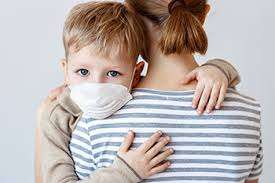
HYPERTENSION
Hypertension, commonly known as high blood pressure, is a significant health concern that affects millions of individuals globally. It often develops over many years and can lead to severe health complications if left untreated.
- Symptoms: Many people with hypertension experience no symptoms; however, some may notice headaches, shortness of breath, or nosebleeds.
- Causes: Factors contributing to hypertension include obesity, lack of physical activity, poor diet, and excessive alcohol intake.
- Diagnosis: A healthcare provider diagnoses hypertension through regular blood pressure measurements during routine visits or specific tests if necessary.
- Treatment: Management typically involves lifestyle changes such as diet modification and increased physical activity. Medications may be prescribed based on individual needs.
- What to Expect: Regular monitoring is essential to manage hypertension effectively. Patients should expect follow-up appointments to track their blood pressure levels and adjust treatment when needed.
With appropriate lifestyle changes and treatment strategies, individuals can successfully manage their blood pressure and lower the risk of cardiovascular issues in the future.