
Dr Ramanis
About Me
Dr Ramanis
General Physician
Biography
My Clinic
OPD Hours
| Tuesday | Morning | 10:00 AM | - | 02:00 PM |
| Evening | 06:00 PM | - | 09:00 PM | |
| Wednesday | Morning | 10:00 AM | - | 02:00 PM |
| Evening | 06:00 PM | - | 09:00 PM | |
| Thursday | Morning | 10:00 AM | - | 02:00 PM |
| Evening | 06:00 PM | - | 09:00 PM | |
| Friday | Morning | 10:00 AM | - | 02:00 PM |
| Evening | 06:00 PM | - | 09:00 PM | |
| Saturday | Morning | 10:00 AM | - | 02:00 PM |
| Evening | 06:00 PM | - | 09:00 PM | |
| Sunday | Morning | 10:00 AM | - | 02:00 PM |
| Evening | 06:00 PM | - | 09:00 PM | |
| Thursday | Morning | 10:00 AM | - | 02:00 PM |
| Evening | 06:00 PM | - | 09:00 PM |
Treatments
Specialised care and treatments offered
GASTROESOPHAGEAL REFLUX DISEASE (GERD) MANAGEMENT
This chronic condition occurs when stomach acid frequently flows back into the esophagus causing discomfort. Managing GERD effectively is important for relieving symptoms and preventing complications.
- Symptoms: Typical signs include heartburn, regurgitation of food or sour liquid, difficulty swallowing, and a sensation of lump in the throat.
- Diagnosis: Upper endoscopy may be conducted alongside symptom evaluations by healthcare providers.
- Treatment Options: Lifestyle changes combined with medications like proton pump inhibitors typically alleviate GERD symptoms effectively.
- Long-Term Care: Regular follow-up appointments assist in managing ongoing symptoms efficiently while monitoring esophagus health will be important.
You can find relief from GERD through dedicated medical support tailored towards your specific needs.
CARDIOVASCULAR RISK ASSESSMENT

A cardiovascular risk assessment evaluates your likelihood of developing heart-related conditions. This evaluation is essential for proactive heart health management especially if you have risk factors present.
- Acknowledging Risk Factors: Factors such as high cholesterol, smoking habits, family history, and dietary choices contribute to cardiovascular risks.
- < li> Diagnosis: Assessments involve blood tests along with physical examinations to evaluate overall heart health. < / li> < li> Treatment: Recommendations may include lifestyle modifications such as enhanced diet options coupled with possible medication suggestions.< / li> < li> What to Expect: Ongoing monitoring over time will likely be necessary to adjust treatment plans effectively.< / li>
Engaging in risk assessments enables timely medical intervention which is key for sustaining cardiac wellness.
PREVENTIVE HEALTH CHECK-UPS

Regular preventive health check-ups play an essential role in early detection of potential health issues before they become serious. These assessments are crucial at any age for maintaining good health practices.
- Main Focus Areas: Common evaluations include blood pressure screenings, cholesterol checks, and cancer screenings based on age and risk factors.
- Disease Prevention: Regular exams help prevent diseases by identifying risk factors early on through appropriate tests.
- Addition of Lifestyle Changes: Discussions about nutrition and exercise form part of these check-ups for holistic health care.
Your active participation in preventive health care can significantly reduce your chances of developing severe illnesses later on in life.
ASTHMA MANAGEMENT
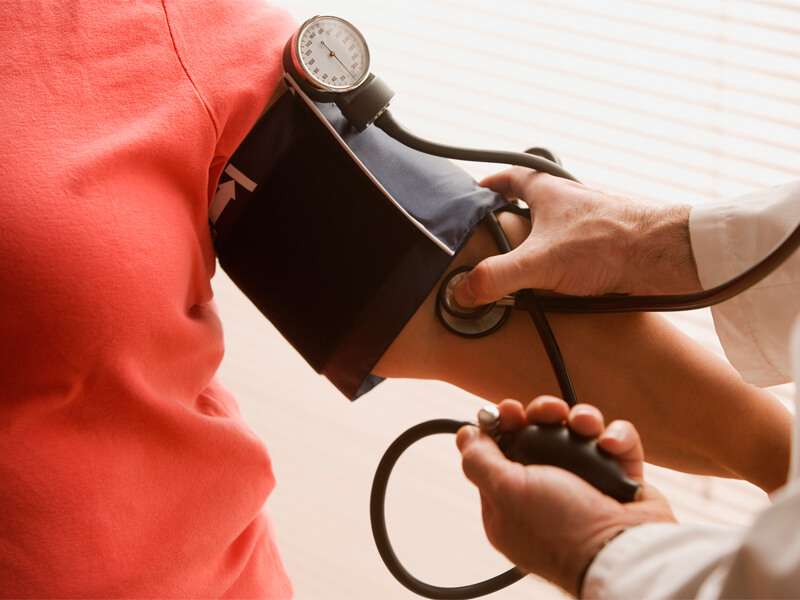
Asthma is a chronic respiratory condition that inflames and narrows the airways. With appropriate management techniques, individuals can lead a normal life.
- Symptoms: Common signs include wheezing, coughing, chest tightness, and shortness of breath.
- Diagnosis: Spirometry tests help assess lung function and confirm asthma diagnosis based on symptoms.
- Treatment/Management: Inhalers containing bronchodilators or corticosteroids are often prescribed to manage symptoms effectively.
- Avoiding Triggers: Identifying allergens or irritants in your environment can aid in reducing asthma attacks.
A comprehensive asthma action plan developed with your physician can enhance quality of life significantly.
DIABETES SCREENING

Diabetes is a chronic illness characterized by high blood sugar levels. Early detection through screening is vital for effective management and prevention of complications.
- Symptoms: Symptoms may include increased thirst, frequent urination, fatigue, and blurred vision.
- Diagnosis: Blood tests such as fasting glucose levels or HbA1c tests are utilized to diagnose diabetes.
- Treatment Options: Lifestyle interventions alongside insulin or oral medications are common management strategies.
- Follow-Up: Continuous monitoring and regular consultation are critical for maintaining control of the condition.
A proactive approach to diabetes can mitigate long-term health issues associated with this disease.
HYPERTENSION MANAGEMENT
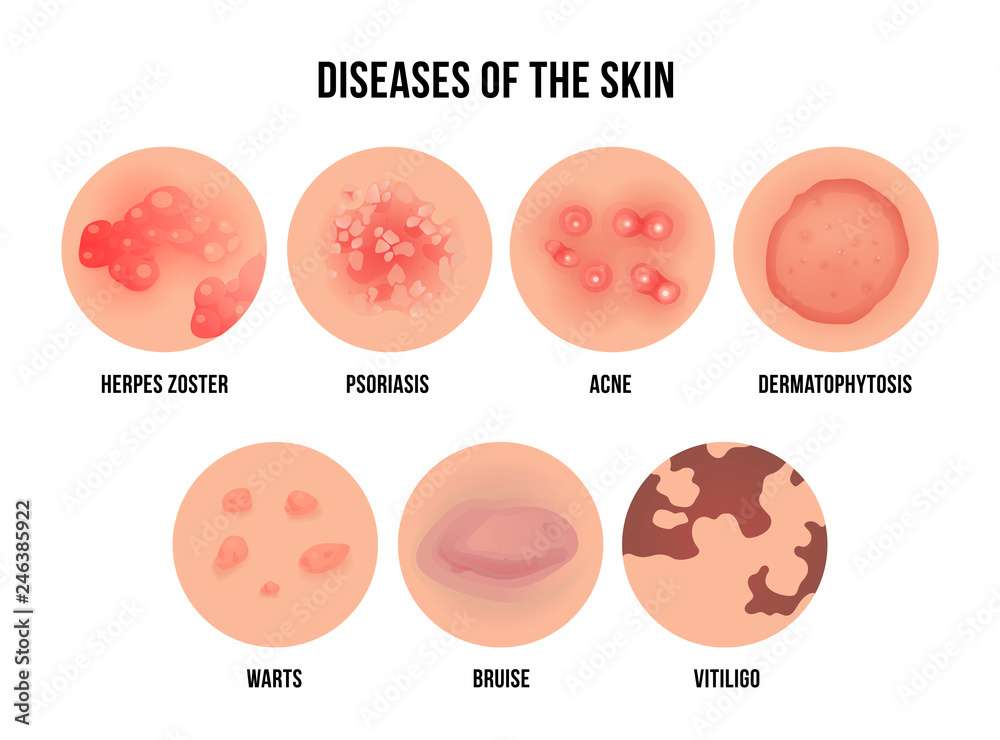
Hypertension, commonly known as high blood pressure, is a prevalent condition that affects many individuals. It often goes unnoticed due to a lack of visible symptoms, yet it can lead to serious health complications if left untreated.
- Symptoms: While many may not experience symptoms, some might have headaches, dizziness, or nosebleeds.
- Diagnosis: Blood pressure is diagnosed through regular monitoring using a sphygmomanometer during consultations.
- Treatment: Management options include lifestyle changes such as diet and exercise, along with medications like diuretics and ACE inhibitors.
- What to Expect: Regular check-ups will help monitor your blood pressure and adjust treatments as necessary.
Effective hypertension management can significantly lower risks of heart disease and stroke, leading to improved overall health.