
Dr Ramesh C Ban
About Me
Dr Ramesh C Ban
MD
Diabetologist
10 Years Experience
Biography
My Clinic
OPD Hours
| Monday | Morning | 10:00 AM | - | 02:00 PM |
| Evening | 06:00 PM | - | 09:00 PM | |
| Tuesday | Morning | 10:00 AM | - | 02:00 PM |
| Evening | 06:00 PM | - | 09:00 PM | |
| Wednesday | Morning | 10:00 AM | - | 02:00 PM |
| Evening | 06:00 PM | - | 09:00 PM | |
| Thursday | Morning | 10:00 AM | - | 02:00 PM |
| Evening | 06:00 PM | - | 09:00 PM | |
| Friday | Morning | 10:00 AM | - | 02:00 PM |
| Evening | 06:00 PM | - | 09:00 PM | |
| Saturday | Morning | 10:00 AM | - | 02:00 PM |
| Evening | 06:00 PM | - | 09:00 PM | |
| Sunday | Morning | 10:00 AM | - | 02:00 PM |
| Evening | 06:00 PM | - | 09:00 PM |
Treatments
Specialised care and treatments offered
DIABETES COMPLICATIONS SCREENING

GESTATIONAL DIABETES MONITORING
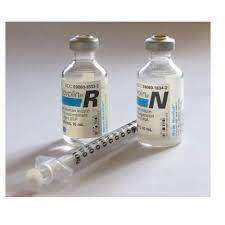
Gestational diabetes occurs during pregnancy when the body cannot produce enough insulin. Proper monitoring ensures both mother and baby's health throughout pregnancy.
- This condition typically has no clear symptoms, but may lead to excessive thirst or fatigue if left unmanaged.
- A diagnosis is conducted via glucose tolerance testing usually done between weeks 24-28 of pregnancy; high results trigger further evaluation).
Most women find that their blood sugar normalizes after childbirth with proper management during pregnancy.
PREDIABETES DIAGNOSIS
The diagnosis of prediabetes indicates elevated blood sugar levels that are not yet high enough to be classified as type 2 diabetes. Early identification is essential for implementing preventive measures.
- The primary symptom, if any appears at all, may include mild fatigue; however, many people experience no noticeable symptoms at this stage.
- A healthcare professional typically diagnoses prediabetes through fasting blood glucose tests or an A1C test showing elevated results without reaching diabetic thresholds.
- Lifestyle interventions such as nutritional counseling and increased physical activity serve as effective management strategies.
- If lifestyle changes are implemented early on, progression to type 2 diabetes can often be prevented or delayed significantly.
CONTINUOUS GLUCOSE MONITORING (CGM)
Continuous glucose monitoring is an advanced technique that allows individuals with diabetes to track their blood sugar levels in real-time. This technology has become increasingly valuable in managing diabetes effectively.
- Sensors are placed under the skin to provide real-time readings, alerting users to highs and lows in glucose levels.
- The system aids in the detailed tracking of glycemic patterns not captured by traditional fingerstick methods.
- This information helps in making more informed decisions regarding diet and medication adjustments.
- Patients can expect improved control over their condition with consistent monitoring results guiding daily management strategies.
CGM represents a significant advancement in personalized diabetes care and helps enhance overall quality of life for those affected by this condition.
DIABETIC KETOACIDOSIS (DKA) TREATMENT
Diabetic ketoacidosis is a serious condition that occurs when the body produces high levels of ketones due to insufficient insulin. It can develop rapidly and requires immediate medical attention.
- Common symptoms include nausea, vomiting, abdominal pain, rapid breathing, and confusion.
- A healthcare provider will diagnose DKA through urine tests for ketones and blood tests for acid levels.
- Treatment typically involves intravenous fluids, insulin therapy to lower blood sugar levels, and electrolyte replacement.
- Prompt intervention can prevent severe complications such as coma or death.
A swift response is vital in managing diabetic ketoacidosis effectively.
TYPE 1 DIABETES MANAGEMENT
Type 1 diabetes is a chronic condition characterized by the body’s inability to produce insulin, an essential hormone for regulating blood sugar levels. This autoimmune disease typically arises in childhood or adolescence, though it can occur at any age.
- Symptoms often include increased thirst, frequent urination, extreme fatigue, and weight loss.
- The diagnostic process usually involves blood tests to measure glucose levels and the presence of autoantibodies.
- Management strategies include insulin therapy, dietary modifications, and regular physical activity.
- Patients should monitor their blood glucose levels frequently to prevent complications.
- The support of a healthcare team is crucial for ongoing education and adjustment of treatment plans.
Despite its challenges, effective management can lead to a fulfilling life with Type 1 diabetes.