
Dr Ramesh Chand
About Me
Dr Ramesh Chand
MD
Anesthesiologist
Biography
My Clinic
OPD Hours
| Monday | Morning | 10:00 AM | - | 02:00 PM |
| Evening | 06:00 PM | - | 09:00 PM | |
| Tuesday | Morning | 10:00 AM | - | 02:00 PM |
| Evening | 06:00 PM | - | 09:00 PM | |
| Wednesday | Morning | 10:00 AM | - | 02:00 PM |
| Evening | 06:00 PM | - | 09:00 PM | |
| Thursday | Morning | 10:00 AM | - | 02:00 PM |
| Evening | 06:00 PM | - | 09:00 PM | |
| Friday | Morning | 10:00 AM | - | 02:00 PM |
| Evening | 06:00 PM | - | 09:00 PM | |
| Saturday | Morning | 10:00 AM | - | 02:00 PM |
| Evening | 06:00 PM | - | 09:00 PM | |
| Sunday | Morning | 10:00 AM | - | 02:00 PM |
| Evening | 06:00 PM | - | 09:00 PM |
Treatments
Specialised care and treatments offered
NERVE BLOCKS
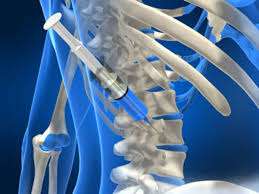
Nerve blocks involve injecting anesthetic near specific nerves to block sensation from reaching the brain. This technique offers effective localized pain relief across various medical scenarios and subjects without affecting wider areas unnecessarily.
- Symptoms/Indications : Commonly applicable for patients undergoing orthopedic procedures , dental work , or other minor surgeries requiring targeted analgesia .
- Diagnosis : Determined based upon evaluating surgical plans ; appropriate nerve targets selected through advanced imaging techniques further guide decisions prior administration .
- Treatment Options : Can include peripheral nerve blocks tailored according specific needs ; enhanced response achieved via careful considerations made collaboratively by specialists involved .
- What To Expect : Patients generally report high satisfaction rates regarding decreased soreness following interventions facilitated via precise blockade generated — significantly improving their overall experiences encountered post-procedure .
This skill showcases expertise within fields engendering better outcomes available uniquely preserved via focused attention given directly towards areas impacted instead taking broader approaches undertaken typically elsewhere .
OBSTETRIC ANESTHESIA

This specialized form of anesthesia focuses on providing safe and effective analgesia during labor and delivery. Obstetric anesthesia aims not only at minimizing discomfort but also ensuring maternal safety throughout childbirth processes.
- Symptoms/Indications: Primarily used during labor stages when women require relief from intense contractions or surgical interventions such as cesarean sections .
- Diagnosis : Evaluation occurs when discussing delivery plans; discussions about preferences aid in determining most suitable options available .
- Treatment Options : Epidural analgesia remains widely utilized ; combination approaches might enhance efficacy within individualized experiences offered by trained professionals .
- What To Expect : Patients should anticipate continuous monitoring throughout labor alongside reassurance provided through varied support mechanisms established from practitioners involved .
This approach empowers women during one of their most significant life events , prioritizing both comfort levels & outcomes associated with childbirth .
PAIN MANAGEMENT

Pain management focuses on alleviating chronic pain through various approaches tailored to individual needs. Anesthesiologists play an essential role in devising comprehensive pain management strategies for patients dealing with long-term discomfort.
- Symptoms/Indications: Chronic pain conditions may result from injuries, surgery, arthritis, or other medical issues requiring ongoing intervention.
- Diagnosis: A thorough assessment helps identify underlying causes, guiding treatment options tailored to each patient's situation.
- Treatment Options: May include medication management, nerve blocks, or injections directed at specific pain sources as prescribed by an expert provider in this field.
- What to Expect: Continual adjustment of treatment plans ensures optimal effectiveness in managing symptoms over time, enhancing overall quality of life for patients suffering from chronic pain conditions.
This aspect of anesthesiology is pivotal in improving daily functioning and restoring comfort for many individuals coping with persistent issues related to pain.
SEDATION

Sedation is used to help patients relax before procedures, ensuring a comfortable experience while maintaining consciousness. The level of sedation can vary based on individual requirements and procedure types.
- Symptoms/Indications: Beneficial for patients experiencing anxiety prior to medical interventions or minor surgeries.
- Diagnosis: Preoperative evaluation determines sedation type; previous medical history and anxiety levels are considered critical factors.
- Treatment Options: Mild sedatives can help calm patients; deeper sedation may require closer monitoring by an anesthesiologist during procedures.
- What to Expect: Patients often recall little from the procedure, experiencing less anxiety due to effective sedation protocols implemented by qualified professionals.
This technique not only alleviates discomfort but also provides a smoother procedural experience for patients with varying levels of anxiety.
REGIONAL ANESTHESIA

Regional anesthesia involves the use of anesthetic agents to block sensation in a specific area of the body. This technique allows for pain relief during and after surgical procedures on targeted regions.
- Symptoms/Indications: Suitable for surgeries on limbs or lower body where localized pain management is desired.
- How It Is Diagnosed: The necessity for regional anesthesia is determined during preoperative assessments based on surgical requirements and patient health.
- Treatment/Management Options: Examples include epidural or spinal blocks; these can relieve pain effectively while minimizing systemic effects from general anesthesia.
- What to Expect: Patients remain awake but feel no pain in the targeted region during surgery, contributing to quicker recovery times afterwards.
This approach enhances comfort levels while providing effective pain relief tailored to individual needs.
GENERAL ANESTHESIA

General anesthesia is a medically induced state of unconsciousness, allowing patients to undergo surgical procedures without awareness or pain. It involves the administration of anesthetic drugs, which impact the central nervous system.
- Symptoms/Indications: Patients requiring major surgery, especially those that may cause significant postoperative pain or discomfort.
- Diagnosis: Generally assessed based on the type of surgery and patient health status; preoperative evaluations are essential.
- Treatment Options: Administered by an anesthesiologist, general anesthesia involves inhalation agents or intravenous medications to ensure safety and efficacy.
- What to Expect: Patients will be monitored continuously for vital signs during the procedure and will wake up in a recovery area post-operation.
This method is critical in ensuring that surgeries proceed smoothly while prioritizing patient safety and comfort.