
About Me
Dr. Ramesh Tapase
MD
Pathologist
28 Years Experience
Biography
My Clinic
OPD Hours
| Monday | Morning | 08:00 AM | ||
| Evening | 07:00 PM | |||
| Tuesday | Morning | 08:00 AM | ||
| Evening | 07:00 PM | |||
| Wednesday | Morning | 08:00 AM | ||
| Evening | 07:00 PM | |||
| Thursday | Morning | 08:00 AM | ||
| Evening | 07:00 PM | |||
| Friday | Morning | 08:00 AM | ||
| Evening | 07:00 PM | |||
| Saturday | Morning | 08:00 AM | ||
| Evening | 07:00 PM |
Services
Specialised care and treatments offered
SKIN BIOPSY
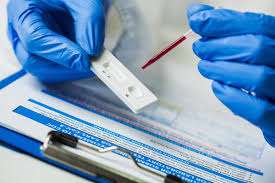
A skin biopsy involves removing a small section of skin for lab analysis primarily used to diagnose suspicious lesions such as moles or rashes. This procedure helps ascertain whether these skin anomalies are benign or malignant in nature.
- Symptoms : Changes noticed might include new growths on skin surface accompanied by itching/burning sensations indicating possible pathological processes ongoing beneath epidermis layer requiring further investigation.
- Diagnosis : The tissue sample undergoes histopathological examination facilitating identification based on cellular characteristics displayed under microscope scrutiny providing clarity regarding nature—benign vs malignancy cases alike!
- Treatment options : Following results—recommendations will range from observation/potential surgical excision if deemed necessary following confirmatory diagnosis made through this vital diagnostic pathway!
Overall—a skin biopsy delivers crucial information aiding clinicians' decisions ensuring accurate management protocols subsequently tailored according individual patient's requirements/factors evaluated holistically while assessing risk profiles associated concurrently too!
URINALYSIS
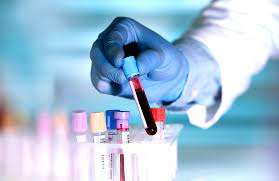
This examination assesses urine composition and characteristics as part of routine evaluations or specific diagnostic investigations. A urinalysis can help detect various medical conditions affecting kidneys and urinary tract health swiftly and non-invasively.
- Symptoms : Changes like frequent urination, burning sensation during urination, dark-colored urine – suggesting possible underlying issues needing attention.
- Diagnosis : Urinalysis includes physical examination (color/clarity), chemical analysis (presence of glucose/proteins), and microscopic evaluation of cells/bacteria.
- Treatment options : Depending on findings – simple lifestyle adjustments might suffice while other conditions could warrant antibiotics or more extensive investigations based on results.
This straightforward test provides essential insights into kidney function & urinary system integrity enabling timely action towards restoring optimal health when needed.
THYROID FUNCTION TESTS
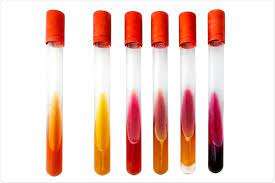
Thyroid function tests involve measuring hormone levels produced by the thyroid gland to evaluate its performance. These tests are critical for diagnosing conditions such as hypothyroidism and hyperthyroidism that affect metabolism significantly.
- Symptoms: Common signs include unexplained weight gain/loss, mood swings, fatigue, and changes in heart rate depending on thyroid function status.
- Diagnosis: Blood tests measure levels of Thyroid Stimulating Hormone (TSH) and free hormones T3 and T4 to assess thyroid health accurately.
- Treatment options: Management may include hormone replacement therapies for insufficient production or medications to control hyperactive functions.
Understanding thyroid function is vital for maintaining overall health as it influences various bodily systems significantly. Prompt testing ensures timely interventions when necessary.
BONE MARROW ASPIRATION
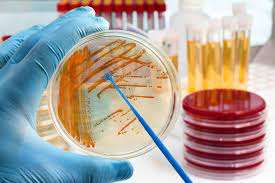
This diagnostic procedure involves extracting bone marrow from the hip bone to evaluate blood disorders such as leukemia or anemia. It offers vital insights into hematological conditions that cannot be diagnosed through blood tests alone.
- Symptoms: Patients often present with symptoms like severe fatigue, unusual bruising or bleeding, and recurrent infections due to blood cell deficiencies.
- Diagnosis: Bone marrow analysis helps determine the cause of these symptoms by examining cells for abnormalities.
- Treatment options: Depending on findings, treatments can range from medication adjustments to more intensive therapies such as chemotherapy or stem cell transplants.
- What to expect: The procedure typically takes around 30 minutes under local anesthesia; discomfort during recovery is manageable with analgesics.
This process not only aids in diagnosis but also helps guide appropriate interventions for managing complex blood disorders effectively.
PAP SMEAR
A Pap smear is a screening procedure used to detect changes in the cervix that may indicate precancerous conditions or cervical cancer. Regular testing is crucial for early detection and effective management of potential issues.
- Symptoms: Often asymptomatic; however, irregular bleeding and pelvic pain may occur in advanced stages.
- Diagnosis: The test involves collecting cells from the cervix for lab analysis to check for abnormalities.
- Treatment options: If abnormalities are found, follow-up procedures such as colposcopy or cryotherapy may be recommended based on severity.
- What to expect: The exam usually lasts just a few minutes and may cause slight discomfort but is generally well-tolerated.
A Pap smear is an essential aspect of women's health care that plays a significant role in reducing cervical cancer risks through early detection.
LIVER BIOPSY
A liver biopsy is a medical procedure in which a small sample of liver tissue is removed for examination under a microscope. It is an essential diagnostic tool for detecting various liver conditions, including hepatitis, cirrhosis, and fatty liver disease.
- Symptoms: Patients may experience fatigue, jaundice, unexplained weight loss, or abdominal pain.
- Diagnosis: The biopsy can confirm the presence of liver diseases by revealing inflammation, fibrosis, or abnormal cells.
- Treatment options: Depending on the diagnosis, patients may require medications, lifestyle changes, or further interventions like ascitic fluid management or antiviral therapy.
- What to expect: The procedure typically takes about 20 minutes and involves local anesthesia; mild discomfort at the biopsy site is common.
Overall, a liver biopsy provides critical information that aids in effectively managing liver health and tailoring treatment plans accordingly.