
Dr Ramesh Kawar
About Me
Dr Ramesh Kawar
Cardiologist
Biography
My Clinic
OPD Hours
| Tuesday | Morning | 10:00 AM | - | 02:00 PM |
| Evening | 06:00 PM | - | 09:00 PM | |
| Wednesday | Morning | 10:00 AM | - | 02:00 PM |
| Evening | 06:00 PM | - | 09:00 PM | |
| Thursday | Morning | 10:00 AM | - | 02:00 PM |
| Evening | 06:00 PM | - | 09:00 PM | |
| Friday | Morning | 10:00 AM | - | 02:00 PM |
| Evening | 06:00 PM | - | 09:00 PM | |
| Saturday | Morning | 10:00 AM | - | 02:00 PM |
| Evening | 06:00 PM | - | 09:00 PM | |
| Sunday | Morning | 10:00 AM | - | 02:00 PM |
| Evening | 06:00 PM | - | 09:00 PM | |
| Thursday | Morning | 10:00 AM | - | 02:00 PM |
| Evening | 06:00 PM | - | 09:00 PM |
Treatments
Specialised care and treatments offered
VALVULAR HEART DISEASE

This condition involves damage or defect in one of the four heart valves: mitral, aortic, pulmonary, or tricuspid valves. Proper functioning of these valves ensures efficient blood flow throughout the body; any impairment can lead to significant health concerns if ignored.
- Common symptoms include fatigue during physical exertion , swelling in legs , chest discomfort etc .
- Diagnosis typically employs echocardiography allowing visualization & assessment involving valve performance thus guiding treatment decisions effectively .
- Management approaches vary widely – from medication prescriptions aimed at symptom control towards possible surgical repair/replacement options dependent on severity & individual circumstances .
- Patients should actively engage through open conversation surrounding available therapies suited best according personal needs alongside regular medical evaluations making sure things stay aligned accordingly .
Addressing valvular issues promptly promotes better outcomes while enhancing quality life standards notably improving normalcy post-treatment phases too!
ATRIAL FIBRILLATION
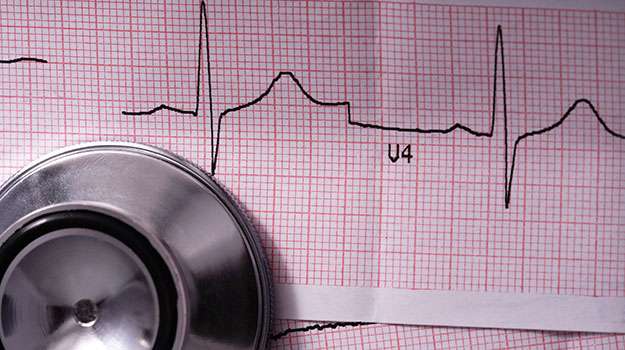
Atrial fibrillation (AFib) is characterized by rapid and irregular beating of the heart's upper chambers. This condition increases the risk for stroke if not managed appropriately.
- Main causes include high blood pressure, existing heart conditions or even hyperthyroidism among other factors.
- A diagnosis typically involves an ECG along with further assessments like Holter monitoring for accurate results over time.
- Treatment options focus on rhythm control strategies using antiarrhythmic drugs alongside anticoagulants to prevent stroke risks.
- You are likely encouraged towards lifestyle modifications which significantly aid both treatment success rates plus overall health improvements .
With proper oversight from your healthcare professional , AFib patients can lead fulfilling lives fully integrated back into daily activities .
ARRHYTHMIA
An arrhythmia is an irregular heartbeat that can manifest as a fluttering feeling in the chest. While some arrhythmias are harmless, others can be serious conditions requiring attention.
- Common symptoms might include palpitations, dizziness, fatigue, or fainting spells in more severe cases.
- Diverse diagnostic methods exist including electrocardiograms (ECGs) which monitor heart rhythms over time.
- Treatment may involve lifestyle adjustments but could also require medications or advanced procedures like catheter ablation depending on severity.
- Your healthcare provider will work closely with you to determine the best course of action tailored specifically to your arrhythmia type and overall health profile.
Lifestyle changes can greatly assist in controlling milder forms of arrhythmia while ensuring proper treatment for significant ones enhances overall well-being.
HEART FAILURE
Heart failure is a chronic condition where the heart cannot pump sufficiently to maintain blood flow to meet the body's needs. It affects individuals across various age groups and requires lifelong management.
- Main symptoms include fatigue, swollen legs, shortness of breath during activities or while lying down.
- This condition is diagnosed through clinical assessments and tests like echocardiograms or blood tests for biomarkers.
- Treatment can involve lifestyle changes, medications such as beta-blockers and ACE inhibitors, or even surgical interventions in advanced cases.
- Patiens should anticipate regular follow-ups for optimal management of symptoms and medication adjustments as needed.
An effective management plan can help improve quality of life significantly for those living with heart failure.
CORONARY ARTERY DISEASE (CAD)
Coronary Artery Disease occurs when the coronary arteries become narrowed or blocked due to plaque buildup. This can lead to chest pain or heart attacks if not managed properly.
- Main causes include high cholesterol, smoking, diabetes, and sedentary lifestyle.
- Diagnosis often involves stress tests, angiograms, or imaging studies.
- Treatment strategies range from lifestyle modifications to medications like statins, and in some cases, procedures such as angioplasty may be necessary.
- Patients should expect a tailored management plan based on their unique risk factors and health status.
The goal is to enhance heart function and reduce risks associated with future cardiac events.
HYPERTENSION
Hypertension, also known as high blood pressure, is a common condition that can lead to serious health complications if left untreated. It often develops gradually over many years and may not present noticeable symptoms.
- Symptoms may include headaches, shortness of breath, or nosebleeds in severe cases.
- It is diagnosed through routine blood pressure measurements and monitoring.
- Treatment options include lifestyle changes such as diet and exercise, along with medications like diuretics or ACE inhibitors.
- Regular monitoring and follow-up appointments are crucial for managing this condition effectively.
- A healthy lifestyle can significantly improve your prognosis and quality of life.
The aim of managing hypertension is to lower blood pressure to safe levels and reduce the risk of cardiovascular disease.