
Dr Ramesh Km Ag
About Me
Dr Ramesh Km Ag
MBBS
General Physician
10 Years Experience
Biography
My Clinic
OPD Hours
| Monday | Morning | 10:00 AM | - | 02:00 PM |
| Evening | 06:00 PM | - | 09:00 PM | |
| Tuesday | Morning | 10:00 AM | - | 02:00 PM |
| Evening | 06:00 PM | - | 09:00 PM | |
| Wednesday | Morning | 10:00 AM | - | 02:00 PM |
| Evening | 06:00 PM | - | 09:00 PM | |
| Thursday | Morning | 10:00 AM | - | 02:00 PM |
| Evening | 06:00 PM | - | 09:00 PM | |
| Friday | Morning | 10:00 AM | - | 02:00 PM |
| Evening | 06:00 PM | - | 09:00 PM | |
| Saturday | Morning | 10:00 AM | - | 02:00 PM |
| Evening | 06:00 PM | - | 09:00 PM | |
| Sunday | Morning | 10:00 AM | - | 02:00 PM |
| Evening | 06:00 PM | - | 09:00 PM |
Treatments
Specialised care and treatments offered
GASTROESOPHAGEAL REFLUX DISEASE (GERD)
This chronic digestive disorder occurs when stomach acid frequently flows back into the tube connecting your mouth and stomach—resulting in uncomfortable symptoms that require ongoing attention.
- Symptoms: Heartburn, regurgitation of food/sour liquid; chest pain during eating; difficulty swallowing are prevalent indicators.
- Causes: Hiatal hernia, obesity among others contribute factors associated with GERD development over time.
- Diagnosis methods: Endoscopy procedure allows direct visualization while esophageal pH monitoring assesses acid exposure level.
- Management strategies: Lifestyle modifications such as avoiding trigger foods combined with antacids/acid reducers prescriptions form standard practice guidelines .
/ Effective long-term management enables individuals afflicted by GERD enjoy their meals without fear discomfort!
THYROID DISORDERS

Your thyroid plays a crucial role in regulating metabolism through hormone production. Disorders such as hypothyroidism or hyperthyroidism can drastically affect your body's functioning if not adequately addressed.
- Symptoms: Changes in weight (gain or loss), fatigue, hair loss, mood swings, and sensitivity to temperature highlight thyroid dysfunctions.
- Causes: Autoimmune diseases like Hashimoto's thyroiditis are common culprits along with iodine imbalance.
- Diagnosis: Blood tests measuring TSH (Thyroid Stimulating Hormone), T3 & T4 hormones help determine thyroid function accurately.
- Treatment approaches: Hypothyroidism is generally treated with synthetic hormones while anti-thyroid medications might be used for hyperthyroidism cases.
Timely diagnosis coupled with effective treatment leads to better management of thyroid disorders enhancing daily life quality significantly.
CHOLESTEROL MANAGEMENT
Elevated cholesterol levels pose significant risks to heart health. Managing cholesterol effectively is essential for reducing the risk of cardiovascular diseases such as heart attacks and strokes.
- Symptoms: High cholesterol typically presents no symptoms but can be identified with blood tests during routine check-ups.
- Main causes: Poor diet high in saturated fats, lack of exercise, smoking habits, and genetic factors contribute to elevated cholesterol levels.
- The diagnosis process: A lipid panel measures total cholesterol along with HDL (good) and LDL (bad) cholesterol levels in the blood.
- Treatment methods: Lifestyle modifications—including an improved diet that emphasizes fruits and vegetables—and medications like statins may be recommended based on individual needs.
Persistent attention to dietary choices and regular check-ups yields positive outcomes for maintaining healthy cholesterol levels over time.
ASTHMA CONTROL
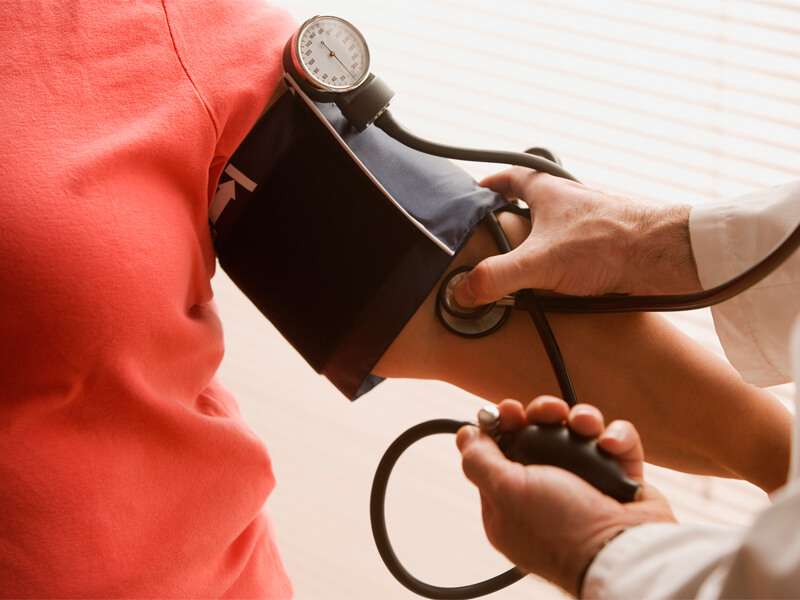
Asthma is a chronic respiratory condition characterized by inflammation in the airways. This condition can lead to difficulty breathing if not properly managed through various strategies.
- Symptoms: Common symptoms include wheezing, coughing, chest tightness, and shortness of breath during rigorous activity or at night.
- Causes: Triggers may vary but often include allergens like pollen or dust mites as well as smoke or pollution.
- Diagnosis: Pulmonary function tests help measure lung function; these are often carried out alongside medical history evaluations.
- Treatment options: Inhalers containing bronchodilators or corticosteroids are frequently used; allergy treatments might also be necessary for some patients.
A comprehensive asthma management plan can help patients lead active lives while controlling their symptoms effectively.
DIABETES MANAGEMENT

Diabetes is a chronic condition that affects how your body processes glucose, leading to elevated sugar levels in the bloodstream. Proper management is vital to prevent complications such as heart disease and nerve damage.
- Symptoms: Increased thirst, frequent urination, fatigue, and blurred vision are common signs of diabetes.
- Diagnosis: Testing includes fasting blood glucose tests or Hemoglobin A1c tests conducted in a clinical setting.
- Treatment options: Lifestyle changes including healthy eating habits and regular exercise are fundamental; insulin therapy or oral medications may also be prescribed for glucose control.
- Management: Regular monitoring of blood sugar levels is essential for effective diabetes management.
An effective treatment plan tailored to individual needs can greatly enhance well-being for those living with diabetes.
HYPERTENSION

Hypertension, or high blood pressure, is a common condition that often goes unnoticed until it causes serious health issues. It can significantly impact your overall health and leads to complications if left untreated.
- Symptoms: Many individuals experience no symptoms; however, some may have headaches, shortness of breath, or nosebleeds.
- Causes: Factors include obesity, lack of physical activity, excessive sodium intake, and chronic stress.
- Diagnosis: Blood pressure is measured using a sphygmomanometer during routine check-ups or through home monitoring.
- Treatment: Management may involve lifestyle changes such as diet modification and regular exercise, along with medications like diuretics or ACE inhibitors.
- Expectations: With proper management, many people can control their blood pressure effectively and lower their risk of heart disease and stroke.
A proactive approach to managing hypertension can lead to improved quality of life and reduced health risks over time.