
Dr Ramesh Ratanlal Dargad
About Me
Dr Ramesh Ratanlal Dargad
Cardiologist
Biography
My Clinic
OPD Hours
| Tuesday | Morning | 10:00 AM | - | 02:00 PM |
| Evening | 06:00 PM | - | 09:00 PM | |
| Wednesday | Morning | 10:00 AM | - | 02:00 PM |
| Evening | 06:00 PM | - | 09:00 PM | |
| Thursday | Morning | 10:00 AM | - | 02:00 PM |
| Evening | 06:00 PM | - | 09:00 PM | |
| Friday | Morning | 10:00 AM | - | 02:00 PM |
| Evening | 06:00 PM | - | 09:00 PM | |
| Saturday | Morning | 10:00 AM | - | 02:00 PM |
| Evening | 06:00 PM | - | 09:00 PM | |
| Sunday | Morning | 10:00 AM | - | 02:00 PM |
| Evening | 06:00 PM | - | 09:00 PM | |
| Thursday | Morning | 10:00 AM | - | 02:00 PM |
| Evening | 06:00 PM | - | 09:00 PM |
Treatments
Specialised care and treatments offered
ATRIAL FIBRILLATION

Atrial fibrillation (AFib) is an irregular heartbeat that can increase the risk of stroke. It is vital for patients experiencing AFib symptoms to seek evaluation promptly as it can often go unnoticed initially.
HEART FAILURE MANAGEMENT
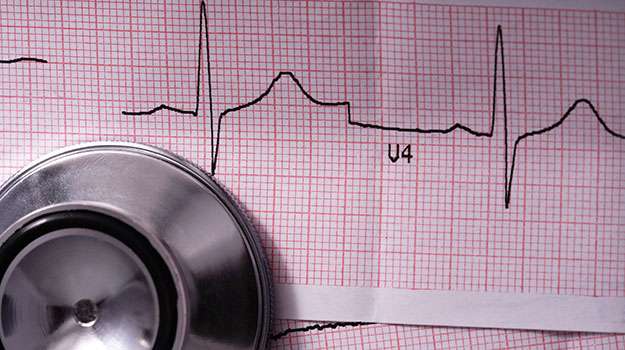
Heart failure is a chronic condition where the heart cannot pump effectively to meet the body’s needs. It can result from various underlying issues and may progress over time without proper management.
- Causes: Common causes include previous heart attacks, valve diseases, hypertension, and cardiomyopathy.
- Symptoms: Patients may experience fatigue, swollen legs (edema), rapid heartbeat, and difficulty breathing during exertion or while lying flat.
- Treatment approaches: Management typically includes dietary changes (such as sodium restriction), medications like beta-blockers or ACE inhibitors, and regular monitoring for potential complications.
A patient-centered approach is essential in managing heart failure effectively to enhance quality of life and reduce hospitalizations.
CORONARY ARTERY DISEASE (CAD)
Coronary artery disease occurs when the arteries that supply blood to the heart become narrowed or blocked due to cholesterol buildup. This condition can lead to chest pain and heart attacks if not addressed effectively.
- Causes: Risk factors include high cholesterol levels, smoking, sedentary lifestyle, and family history of heart disease.
- Symptoms: Common symptoms include angina (chest pain), fatigue during exertion, and shortness of breath.
- Diagnosis: Diagnosis can involve stress tests, angiograms, or imaging studies such as CT scans to assess blood flow.
- Treatment options: Options range from lifestyle changes and medications to procedures like angioplasty or bypass surgery in severe cases.
Timely intervention can significantly improve outcomes for individuals with CAD, helping them lead healthier lives.
HYPERTENSION MANAGEMENT
Hypertension, or high blood pressure, is a prevalent condition that can lead to serious heart-related issues if left unmanaged. It often develops over many years and may not present noticeable symptoms until significant damage has occurred.
- Symptoms: Many individuals may experience headaches, shortness of breath, or nosebleeds, though these symptoms are not exclusive to hypertension.
- Diagnosis: A healthcare professional will typically measure blood pressure using a sphygmomanometer during routine check-ups.
- Treatment options: Management may involve lifestyle modifications such as diet changes and regular exercise. Medications like diuretics or ACE inhibitors may also be prescribed.
- Monitoring: Regular follow-up appointments are crucial to adjust treatment plans and monitor the effectiveness of interventions.
Managing hypertension is vital for preventing more severe cardiovascular events and enhancing overall health.
INTERVENTIONAL PROCEDURES
Interventional procedures are medical procedures that are performed using minimally invasive techniques to diagnose or treat various conditions. These procedures often involve the use of specialized instruments, imaging guidance, and small incisions or catheter insertions. They are typically performed by interventional radiologists, cardiologists, or other specialized physicians. Common interventional procedures include angiography and angioplasty, where angiography involves injecting a contrast dye into blood vessels to visualize their structure and identify abnormalities, while angioplasty is used to widen narrowed or blocked blood vessels using a balloon catheter to restore blood flow. Stent placement is another commonly performed procedure in which small mesh tubes are inserted into narrowed or blocked blood vessels to keep them open, particularly in patients with coronary artery disease, peripheral artery disease, and other vascular conditions. Biopsy procedures involve removing a small sample of tissue for examination and diagnosis, often using imaging guidance such as ultrasound or CT scans for precise targeting. Radiofrequency ablation utilizes heat generated by radiofrequency energy to destroy abnormal or cancerous cells and is frequently used for tumors of the liver, kidney, lung, or bone. Embolization is a technique used to block or reduce blood flow to specific areas by injecting embolic agents into blood vessels, making it effective for treating bleeding, tumors, and vascular malformations. Vertebroplasty and kyphoplasty are specialized procedures designed to stabilize fractured vertebrae by injecting bone cement into the affected spinal bones, thereby providing support and pain relief. Chemoembolization and radioembolization deliver chemotherapy drugs or radioactive particles directly into tumors or the blood vessels supplying them, offering targeted treatment for liver cancer and certain metastatic tumors. Drainage procedures are performed to remove fluid or pus from body cavities or abscesses, often with the assistance of image-guided catheter placement. Additionally, ablation procedures for arrhythmias, including radiofrequency ablation and cryoablation, are used to treat abnormal heart rhythms by selectively destroying abnormal electrical pathways within the heart.
PEDIATRICIAN & NICU

SURGERY & TRAUMA CARE
ORTHOPAEDIC
CARDIOLOGY