
Dr Ramesh V Mahajan
About Me
Dr Ramesh V Mahajan
Cardiologist
Biography
My Clinic
OPD Hours
| Tuesday | Morning | 10:00 AM | - | 02:00 PM |
| Evening | 06:00 PM | - | 09:00 PM | |
| Wednesday | Morning | 10:00 AM | - | 02:00 PM |
| Evening | 06:00 PM | - | 09:00 PM | |
| Thursday | Morning | 10:00 AM | - | 02:00 PM |
| Evening | 06:00 PM | - | 09:00 PM | |
| Friday | Morning | 10:00 AM | - | 02:00 PM |
| Evening | 06:00 PM | - | 09:00 PM | |
| Saturday | Morning | 10:00 AM | - | 02:00 PM |
| Evening | 06:00 PM | - | 09:00 PM | |
| Sunday | Morning | 10:00 AM | - | 02:00 PM |
| Evening | 06:00 PM | - | 09:00 PM | |
| Thursday | Morning | 10:00 AM | - | 02:00 PM |
| Evening | 06:00 PM | - | 09:00 PM |
Treatments
Specialised care and treatments offered
CHOLESTEROL MANAGEMENT

VALVULAR HEART DISEASE
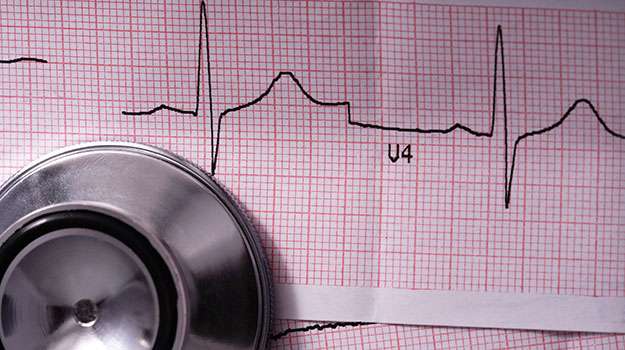
Valvular heart disease involves damage to one or more of the four valves in your heart: aortic, mitral, pulmonary, or tricuspid valves. This damage can hinder proper blood flow either by obstructing it or causing leakage back into chambers where it shouldn't be occurring...
- The predominant causes range from congenital defects present at birth to acquired conditions like rheumatic fever or age-related degeneration of valve tissues.
- A comprehensive diagnosis typically includes echocardiography that visualizes valve function along with clinical evaluations based on symptom reports from patients regarding any unusual sensations experienced during exertion or rest periods.
- Treatment processes may involve regular monitoring initially; however severe cases might require surgical intervention including valve repair or replacement techniques based on individualized assessments done by healthcare providers specializing in cardiology."
ATRIAL FIBRILLATION
Atrial fibrillation (AF) is an irregular and often rapid heartbeat that can lead to stroke and other heart-related complications. This arrhythmia arises from chaotic electrical signals in the atria, disrupting normal cardiac function.
- The common symptoms, which vary by individual, may include palpitations, dizziness, fatigue, or chest discomfort. Some may experience no symptoms at all initially.
- A healthcare provider can diagnose AF through an ECG that captures the irregular rhythm of the heart during an office visit or via mobile devices designed for monitoring rhythms outside clinical settings.
- Treatment focuses on rate control through medication like beta-blockers alongside anticoagulants to minimize stroke risk. In certain cases, procedures like cardioversion might be indicated for restoring normal rhythm.
Persistent management strategies are essential for minimizing symptoms associated with atrial fibrillation while reducing potential complications linked with this condition over time.
HEART FAILURE
Heart failure is a chronic condition where the heart cannot pump enough blood to meet the body's needs. This doesn't mean the heart has stopped working; rather it signifies that it’s not functioning efficiently due to various underlying conditions such as high blood pressure or previous heart attacks.
- Main symptoms of heart failure often include fatigue, swollen legs or ankles (edema), and difficulty breathing during physical activity or when lying down.
- A thorough evaluation involving echocardiograms and other imaging techniques assists in diagnosing this condition accurately.
- Treatment strategies typically involve medication management tailored for individual needs alongside lifestyle changes aimed at reducing strain on the heart.
- Ongoing follow-up care is vital for monitoring progress and making necessary therapeutic adjustments over time.
A proactive approach coupled with consistent medical care can help manage heart failure effectively, enabling patients to lead active lives despite their diagnosis.
CORONARY ARTERY DISEASE
Coronary artery disease (CAD) occurs when the coronary arteries become narrowed or blocked due to plaque buildup. This condition restricts blood flow to the heart muscle, potentially leading to chest pain (angina) or even heart attacks.
- The primary causes include high cholesterol, smoking, diabetes, and a sedentary lifestyle.
- CAD is diagnosed through various methods such as electrocardiograms (ECGs), stress tests, or coronary angiography.
- Treatment may involve lifestyle changes, medications such as statins, and in some cases surgical interventions like angioplasty or bypass surgery.
- Diligence in adhering to prescribed therapies is crucial for managing symptoms and improving heart health over time.
Early detection and comprehensive management can significantly alter the course of CAD and optimize heart health outcomes for patients.
HYPERTENSION
Hypertension, commonly known as high blood pressure, is a condition that can lead to serious health complications if left untreated. It is often referred to as the 'silent killer' because it may present no noticeable symptoms while causing damage to vital organs.
- Symptoms of hypertension may include headaches, shortness of breath, or nosebleeds, but many individuals remain asymptomatic.
- Diagnosis typically involves measuring blood pressure using a sphygmomanometer during routine check-ups.
- Treatment options include lifestyle modifications like diet and exercise, along with medications to help lower blood pressure.
- Regular monitoring of blood pressure levels is essential to ensure the effectiveness of treatment plans.
- Patients are encouraged to manage stress effectively and avoid excessive salt intake for better control.
With appropriate management and lifestyle adjustments, individuals with hypertension can greatly reduce their health risks and enhance their quality of life.