
Dr Ramya Ramakrishnan
About Me
Dr Ramya Ramakrishnan
MBBS
General Physician
17 Years Experience
Biography
My Clinic
OPD Hours
| Monday | Morning | 09:00 AM | ||
| Evening | 09:00 PM | |||
| Tuesday | Morning | 09:00 AM | ||
| Evening | 09:00 PM | |||
| Wednesday | Morning | 09:00 AM | ||
| Evening | 09:00 PM | |||
| Thursday | Morning | 09:00 AM | ||
| Evening | 09:00 PM | |||
| Friday | Morning | 09:00 AM | ||
| Evening | 09:00 PM |
Treatments
Specialised care and treatments offered
CHOLESTEROL MANAGEMENT
Maintaining healthy cholesterol levels is vital for cardiovascular health. Elevated cholesterol can increase your risk of heart disease; hence routine assessments should not be overlooked.
- Symptoms Related to Cholesterol Issues: High cholesterol rarely shows clear symptoms but could lead indirectly to other health conditions noted by chest discomfort or fatigue during activity. < l i style = 'margin-left :20px;' class='bulletted-item' ARIA- label = 'bullet '> < s t rong class ='item'> Common Causes:The primary culprits behind high cholesterol levels often include poor diet choices rich in saturated fats alongside lack of exercise which leads risks toward cardiovascular threats over time.< /l i>,Diagnosing Methodology:If elevated lipid profiles appear concerning during routine screenings performed every few years based upon age recommendations initially gauges whether further assessment via lipid panels might become necessary later after analyzing results closely respectively.< /l i>,Treatment Alternatives:Lifestyle interventions focused around nutritional adjustments accompanied by prescribed medications such statins could form essential parts towards optimal reduction approaches undertaken actively within patient care protocols.< /l i>,Anticipating Results:Aiming diligently towards achieving targeted LDL reductions while simultaneously enhancing HDL values through guided efforts leads likely improved long-term outcomes upon adherence strategies presented herein.Careful consideration reflects success stories recounted frequently aligning expectations suitably taking into account readiness alongside patient motivations addressing barriers encountered explicitly!< / l i>.
The journey towards reducing undesirable cholesterol warrants established communication lines fostering support encouraging compliance through wholesome practices aiming ultimately toward better health status overall!
ANEMIA SCREENING

Anemia is characterized by a deficiency in red blood cells or hemoglobin in the bloodstream. Screening for anemia is crucial for diagnosing underlying conditions that may require medical attention.
- Symptoms of Anemia : Common signs include fatigue , weakness , pale skin , and shortness of breath during exertion .
- Causes of Anemia : Potential causes vary widely from iron deficiency to chronic diseases like kidney failure .
- Screening Methods : Blood tests measuring hemoglobin concentration are standard methods used for diagnosing anemia . Additional tests may be required based on initial results .
- Treatment Approaches : Depending on the cause , treatments may range from dietary supplements like iron tablets to more complex interventions if underlying diseases are present .
- Follow-Up Care Expectations : Regular follow-ups play an integral role in managing anemia since they ensure effective treatment response over time .
Recognizing anemia early allows for timely treatment options that enhance quality of life overall ; discussing concerns with your physician is advisable if symptoms arise .
GASTROESOPHAGEAL REFLUX DISEASE (GERD)

Gastroesophageal Reflux Disease (GERD) is a digestive condition where stomach acid frequently flows back into the esophagus. This backward flow can lead to irritation of the lining of the esophagus and uncomfortable symptoms.
- Common Symptoms: Symptoms typically include heartburn, regurgitation of food or sour liquid, difficulty swallowing, and chest pain.
- Causal Factors: Factors such as certain foods (like spicy meals), obesity, pregnancy, and smoking can increase acid reflux episodes.
- Diagnostic Process : To diagnose GERD accurately , doctors may perform an endoscopy or recommend 24-hour pH monitoring .
- Management Strategies : Treatment options may range from lifestyle modifications—such as elevating the head during sleep—to medications like proton pump inhibitors that reduce stomach acid production .
- What You Can Anticipate : With proper management , patients can significantly reduce their symptoms , although some might require ongoing treatment .
If you suspect GERD , consulting with a healthcare provider can help develop an effective management plan tailored to your needs .
THYROID DYSFUNCTION EVALUATION
A thyroid dysfunction can significantly impact metabolism and overall health. Evaluating thyroid function involves understanding how well this gland produces hormones that regulate various bodily functions.
- Symptoms: Patients often report fatigue, weight changes, mood swings, or temperature sensitivity as potential indicators of thyroid issues.
- Causes: Thyroid problems can stem from autoimmune diseases like Hashimoto's thyroiditis or Graves' disease as well as iodine deficiency.
- How it is Diagnosed: Diagnosis typically involves blood tests measuring TSH (Thyroid Stimulating Hormone) along with free T3 and T4 hormone levels.
- Treatment Options: Depending on the diagnosis, treatment may involve hormone replacement therapy or medication to manage hyperthyroidism.
- What to Expect : With appropriate monitoring and therapy adjustments by a healthcare professional , individuals often experience an improvement in symptoms within weeks .
Early detection is key in managing thyroid conditions effectively; stay informed about possible symptoms.
DIABETES MANAGEMENT

Diabetes is a chronic condition that affects how your body metabolizes glucose. Whether it's Type 1 or Type 2 diabetes, management involves regulating blood sugar levels effectively to prevent complications.
- Symptoms: Common signs include increased thirst, frequent urination, extreme fatigue, and blurred vision.
- Causes: Factors contributing to diabetes range from genetic predisposition to lifestyle choices such as diet and physical inactivity.
- Diagnosis: Diagnosis typically involves blood tests measuring fasting glucose levels or HbA1c.
- Treatment Strategies: Treatment may include dietary changes, oral medications, or insulin therapy depending on the type of diabetes.
- Monitoring Expectations: Regular blood sugar checks are essential for effective management and adjustment of treatment plans over time.
If you are vigilant about managing diabetes through regular check-ups and self-care routines, the condition can be controlled effectively.
HYPERTENSION
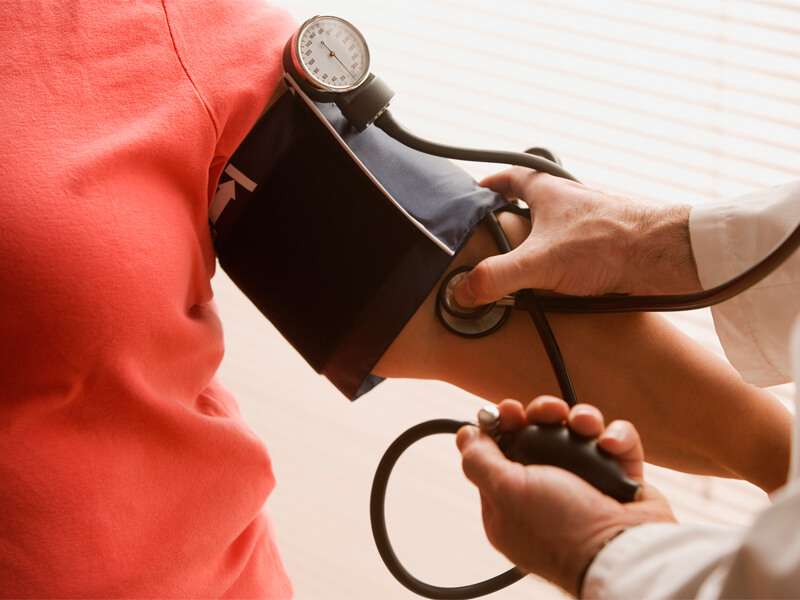
Hypertension, commonly known as high blood pressure, is a condition that affects millions worldwide. It occurs when the force of blood against the artery walls is too high, leading to potential health problems over time.
- Symptoms: Often called a silent killer, hypertension usually presents no symptoms until serious complications occur.
- Causes: Risk factors include obesity, smoking, excessive alcohol consumption, and a sedentary lifestyle.
- Diagnosis: Blood pressure can be measured at your healthcare provider's office or at home using a sphygmomanometer.
- Treatment Options: Managing hypertension may involve lifestyle modifications such as diet and exercise, along with medications like diuretics or ACE inhibitors.
- What to Expect: Regular monitoring and follow-up appointments are crucial to assess treatment effectiveness and make necessary adjustments.
Understanding and managing hypertension is vital for preventing heart disease and stroke. Consult your healthcare provider for personalized advice.