
Dr Ranajit Mukherjee
About Me
Dr Ranajit Mukherjee
General Physician
Biography
My Clinic
OPD Hours
| Tuesday | Morning | 10:00 AM | - | 02:00 PM |
| Evening | 06:00 PM | - | 09:00 PM | |
| Wednesday | Morning | 10:00 AM | - | 02:00 PM |
| Evening | 06:00 PM | - | 09:00 PM | |
| Thursday | Morning | 10:00 AM | - | 02:00 PM |
| Evening | 06:00 PM | - | 09:00 PM | |
| Friday | Morning | 10:00 AM | - | 02:00 PM |
| Evening | 06:00 PM | - | 09:00 PM | |
| Saturday | Morning | 10:00 AM | - | 02:00 PM |
| Evening | 06:00 PM | - | 09:00 PM | |
| Sunday | Morning | 10:00 AM | - | 02:00 PM |
| Evening | 06:00 PM | - | 09:00 PM | |
| Thursday | Morning | 10:00 AM | - | 02:00 PM |
| Evening | 06:00 PM | - | 09:00 PM |
Treatments
Specialised care and treatments offered
ANEMIA
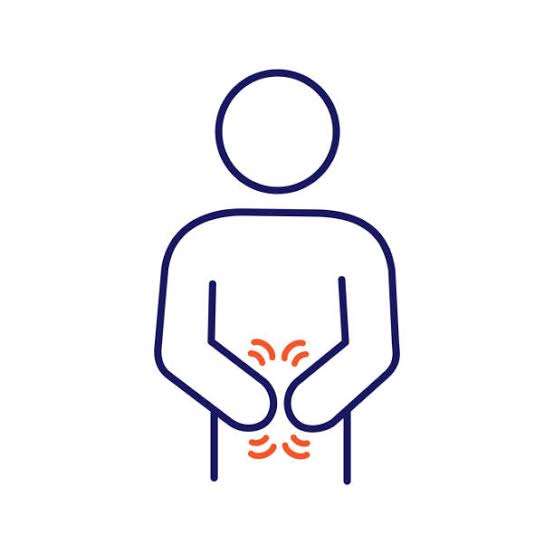
Anemia is a condition characterized by a deficiency of red blood cells or hemoglobin in the bloodstream leading to reduced oxygen flow throughout the body. It's essential for affected individuals to seek diagnosis and appropriate management strategies early on
THYROID DISORDERS

The thyroid gland plays a crucial role in regulating metabolism through hormone production. Disorders like hypothyroidism or hyperthyroidism can disrupt these processes significantly
HYPERLIPIDEMIA
This condition involves elevated levels of lipids (fats) in the blood which can increase the risk of cardiovascular diseases. Regular check-ups are essential for early detection and management of hyperlipidemia.
- Symptoms:No specific symptoms might indicate hyperlipidemia; it often goes unnoticed until diagnosed through routine blood tests.
- Causes:Poor dietary habits high in saturated fats and trans fats contribute significantly along with genetic factors affecting lipid metabolism.
- Diagnosis:A lipid panel test measures cholesterol types (LDL, HDL) and triglycerides levels in your body for accurate assessment.
- Treatment/Management: Lifestyle modifications including improved diet choices combined with physical activity are commonly recommended. Medications such as statins may also be prescribed based on individual needs.
- What to Expect: Consistent monitoring and adherence will lower lipid levels over time which subsequently reduces cardiovascular risk factors.
Recognizing potential risks allows proactive measures towards better heart health.
ASTHMA
Asthma is a chronic respiratory condition that inflames and narrows the airways, leading to breathing difficulties. It's important for individuals with asthma to understand their triggers and how to manage symptoms effectively.
- Symptoms: Common symptoms include wheezing, coughing, chest tightness, and shortness of breath that tends to worsen at night or during exercise.
- Causes: Asthma can be triggered by allergens (like pollen), smoke, infections, or environmental pollutants.
- Diagnosis:The diagnosis typically involves a detailed medical history review along with pulmonary function tests to assess lung function.
- Treatment/Management:This includes avoiding triggers and using prescribed inhalers or medications such as bronchodilators or corticosteroids when needed.
- What to Expect:If managed properly, individuals can control asthma well enough to lead active lifestyles without significant limitations on daily activities.
An informed approach is vital for maintaining quality of life while living with this condition.
DIABETES MANAGEMENT

Diabetes is a chronic condition characterized by high levels of sugar in the bloodstream. It requires ongoing management to prevent complications.
- Symptoms: Common signs include increased thirst, frequent urination, fatigue, and blurred vision.
- Causes: Diabetes may arise due to genetic factors or lifestyle choices such as poor diet and inactivity.
- Diagnosis: Blood tests measuring glucose levels are used for diagnosis. An HbA1c test provides insight into long-term glucose control.
- Treatment/Management: Individuals may manage diabetes through dietary changes, exercise, and medication like insulin or oral hypoglycemics as needed.
- What to Expect: With consistent management efforts, patients can lead healthy lives while reducing the risks associated with diabetes complications.
Your engagement in your own care profoundly influences your journey with this condition.
HYPERTENSION
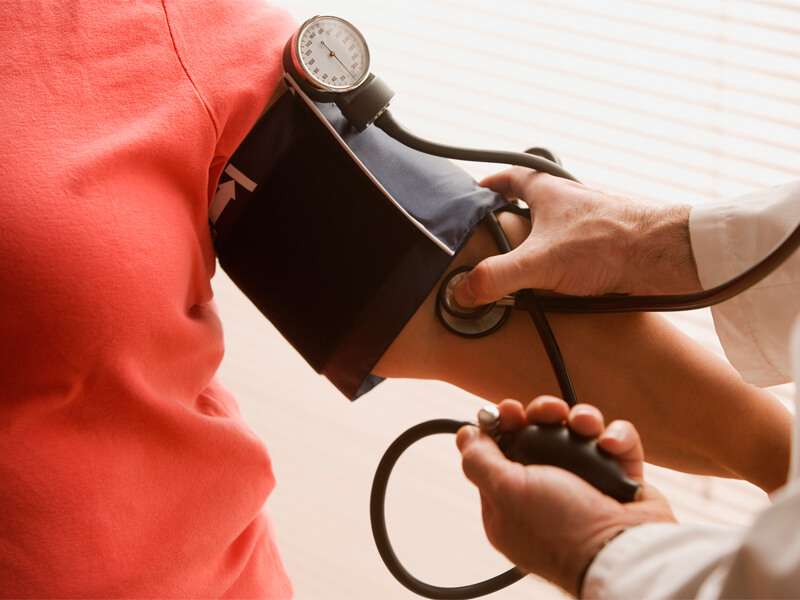
Hypertension, commonly known as high blood pressure, is a condition that occurs when the force of blood against the artery walls is too high. It can lead to serious health issues if left untreated.
- Symptoms: Often referred to as a silent killer, hypertension may not present noticeable symptoms until significant damage has occurred.
- Causes: Factors contributing to this condition include obesity, lack of physical activity, excessive salt intake, stress, and genetics.
- Diagnosis: A healthcare professional typically diagnoses hypertension through regular blood pressure readings and may recommend additional tests to rule out underlying causes.
- Treatment/Management: Management strategies often involve lifestyle changes such as diet modification and increased physical activity. In some cases, medication may be necessary for effective control.
- What to Expect: With proper management, individuals can maintain healthy blood pressure levels and reduce the risk of complications.
Regular monitoring and a proactive approach can significantly improve outcomes for those living with hypertension.