
Dr Ranat R Vishn
About Me
Dr Ranat R Vishn
MS
Orthopaedic Surgeons
10 Years Experience
Biography
My Clinic
OPD Hours
| Monday | Morning | 10:00 AM | - | 02:00 PM |
| Evening | 06:00 PM | - | 09:00 PM | |
| Tuesday | Morning | 10:00 AM | - | 02:00 PM |
| Evening | 06:00 PM | - | 09:00 PM | |
| Wednesday | Morning | 10:00 AM | - | 02:00 PM |
| Evening | 06:00 PM | - | 09:00 PM | |
| Thursday | Morning | 10:00 AM | - | 02:00 PM |
| Evening | 06:00 PM | - | 09:00 PM | |
| Friday | Morning | 10:00 AM | - | 02:00 PM |
| Evening | 06:00 PM | - | 09:00 PM | |
| Saturday | Morning | 10:00 AM | - | 02:00 PM |
| Evening | 06:00 PM | - | 09:00 PM | |
| Sunday | Morning | 10:00 AM | - | 02:00 PM |
| Evening | 06:00 PM | - | 09:00 PM |
Treatments
Specialised care and treatments offered
KNEE LIGAMENT INJURIES
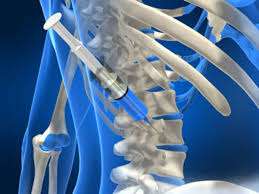
Knee ligament injuries are common among athletes but can also occur in non-sporting contexts due to falls or accidents. These injuries affect functioning significantly since ligaments stabilize knee joints.
- Symptoms usually comprise sudden sharp pains along with swelling restricting motion capabilities rendering daily routines challenging!
- Causes mainly attributed either traumatic events causing direct impacts onto knee region/overextension which often results occurs especially during sports activities!
- Prompt diagnosis involves recognizing symptom patterns through comprehensive assessments commonly supported utilizing advanced imaging technologies such MRI scanning techniques.
- Treatment approaches typically encompass methods varying conservative measures involving physiotherapy aimed regaining full strength alongside potential surgical intervention needed depending extent damage sustained!
- What you should expect revolves around ensuring proper rehabilitation after any form surgical intervention enabling optimal functionality stage returning fullest capacity fulfilling desired goals!
Understanding knee ligament injuries eases navigating effective recovery plans allowing resumption active lifestyles afterward without lingering sentiments frustration associated past experiences prevent undesirable occurrences negatively impacting futures ahead!
TENNIS ELBOW (LATERAL EPICONDYLITIS)
Tennis elbow is an overuse injury causing pain around the outer elbow due to damage to tendons attaching forearm muscles. It's not limited solely to tennis players but affects many who use their arms repetitively in everyday tasks.
- Symptoms: Pain on outer part of elbow which worsens with gripping actions such as lifting objects – an important indicator when assessing oneself for this condition.
- Causes: Common causes stem from excessive strain upon elbow tendons often originating from actions like twisting/swinging motions during sports/gardening etc.
- How it’s Diagnosed: Diagnosis entails thorough evaluation via patient history coupled alongside clinical examination pinpointing tenderness locales.
- Management Options: Initial strategies involve rest/ice application followed by non-steroidal anti-inflammatory medications; physical therapy provides effective long-term benefits while injections could be discussed depending severity level too!
- What You Can Expect: With appropriate treatment plans including gradual reintroduction into activities post-recovery phase most recover favorably resulting improved functional capability thereafter!
Recognizing early signs plays vital role ensuring swift interventions thus enhancing overall recovery path.
CARPAL TUNNEL SYNDROME

This condition occurs when pressure on the median nerve at the wrist leads to symptoms such as tingling and numbness in the hand. It's prevalent among individuals who perform repetitive wrist movements.
- Symptoms: Commonly reported symptoms include numbness or tingling in fingers, especially at night; weakness may also occur over time.
- Causes:This syndrome can arise from various factors including repetitive tasks, wrist anatomy variations, arthritis inflammation, or diabetes mellitus.
Pursuing early evaluation enhances outcomes for those battling carpal tunnel syndrome while promoting effective management strategies surrounding this condition!
HIP FRACTURE

A hip fracture typically occurs in older adults due to falls or trauma. This serious injury significantly impacts mobility and requires immediate medical attention.
- Symptoms: Severe hip pain, inability to move or bear weight on the affected leg are common signs indicating a fracture.
- Causes: Osteoporosis greatly increases the risk of fractures by weakening bones over time.
- Diagnosis: Diagnosis involves clinical evaluation and imaging techniques like X-rays or CT scans for confirmation.
- Treatment Options: Treatment generally requires surgical intervention followed by rehabilitation efforts to regain strength and mobility.
- What to Expect: Post-surgery rehabilitation is essential; most patients can return to daily activities with proper care and support.
Keen awareness about hip fractures helps individuals prevent falls and seek timely interventions when necessary.
ROTATOR CUFF TEAR

A rotator cuff tear involves damage to one or more of the muscles or tendons that stabilize the shoulder. This injury can limit mobility and cause significant discomfort.
- Symptoms: Patients often experience pain during overhead activities and may notice weakness in their shoulder.
- Causes: Tears can result from acute injury or degenerative changes due to aging and repetitive overhead motions.
- Diagnosis: Evaluation includes physical examinations along with MRI scans to assess the extent of the tear.
- Treatment Options: Non-surgical methods like rest, ice application, and corticosteroid injections are common; surgery may be necessary for severe cases.
- What to Expect: Recovery times vary based on treatment; rehabilitation is crucial for restoring function post-injury or surgery.
A thorough understanding of rotator cuff tears aids in optimizing recovery strategies for patients struggling with shoulder issues.
OSTEOARTHRITIS

Osteoarthritis is a degenerative joint disease that affects millions of individuals globally. It arises when the protective cartilage cushioning the ends of bones gradually wears down, leading to pain and stiffness.
- Symptoms: Common symptoms include joint pain, swelling, and decreased range of motion.
- Causes: Age, previous injuries, obesity, and genetics play a significant role in developing this condition.
- Diagnosis: Doctors diagnose osteoarthritis based on physical examinations, patient history, and imaging tests like X-rays or MRIs.
- Treatment Options: Management strategies include physical therapy, pain relief medications, lifestyle changes, and in severe cases, surgical intervention like joint replacement.
- What to Expect: Many individuals find relief through conservative treatments; however, progression can lead to more invasive options if symptoms worsen.
Understanding osteoarthritis is crucial for effective management and improving quality of life.