
Dr Rani Jacob
About Me
Dr Rani Jacob
MBBS
Gynecologist
29 Years Experience
Biography
My Clinic
OPD Hours
| Monday | Morning | 11:00 AM | - | 01:00 PM |
| Evening | 06:00 PM | - | 09:00 PM | |
| Tuesday | Morning | 11:00 AM | - | 01:00 PM |
| Evening | 06:00 PM | - | 09:00 PM | |
| Wednesday | Morning | 11:00 AM | - | 01:00 PM |
| Evening | 06:00 PM | - | 09:00 PM | |
| Thursday | Morning | 11:00 AM | - | 01:00 PM |
| Evening | 06:00 PM | - | 09:00 PM | |
| Friday | Morning | 11:00 AM | - | 01:00 PM |
| Evening | 06:00 PM | - | 09:00 PM | |
| Saturday | Morning | 11:00 AM | - | 01:00 PM |
| Evening | 06:00 PM | - | 09:00 PM |
Treatments
Specialised care and treatments offered
ROUTINE GYNECOLOGICAL EXAM
A critical aspect of women's healthcare that promotes early detection of potential issues is the routine gynecological exam. Regular check-ups foster better health outcomes as they allow prompt intervention when needed.
- '
INFERTILITY TREATMENT
This refers to challenges faced when trying to conceive after one year of unprotected intercourse. Several factors contribute to infertility across various demographics.
UTERINE FIBROIDS
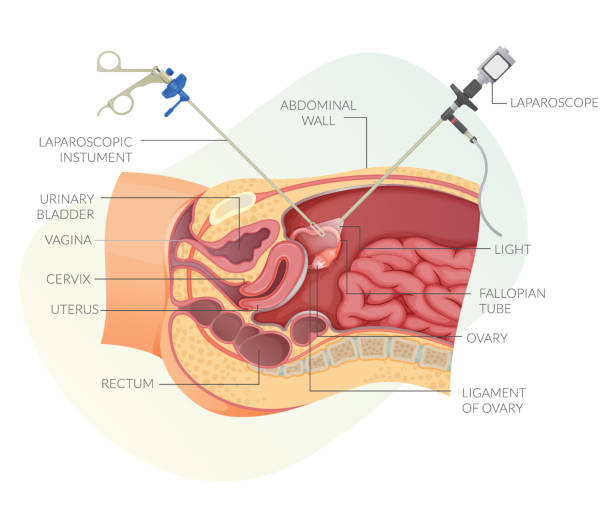
Fibroids are non-cancerous growths that develop in the uterus, often leading to a range of symptoms affecting women's health. Understanding these growths can aid in decision-making regarding treatment options.
- Shooting Pains: Heavy menstrual bleeding, prolonged periods, pelvic discomfort or pressure may signal fibroid presence.
- Disease Confirmation: An ultrasound examination is commonly used for diagnosis; additional imaging tests might be utilized if necessary.
- Treatment Solutions: Depending on size and symptoms, options may include medication to shrink fibroids or surgical procedures like myomectomy or hysterectomy for severe cases.
- Lifestyle Considerations:: Regular check-ups ensure proper monitoring over time as fibroid-related symptoms can change with age or hormonal shifts.
ENDOMETRIOSIS
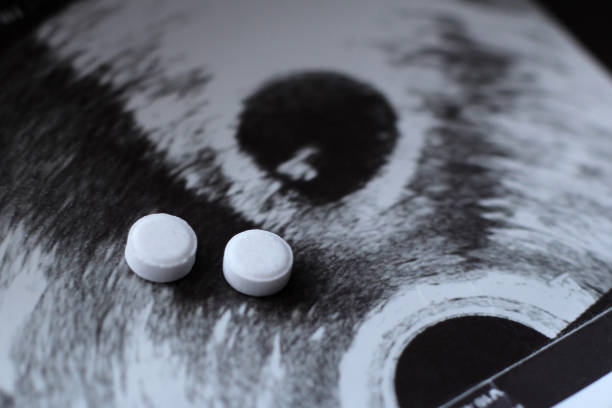
A condition where tissue similar to the lining inside the uterus grows outside it causes pain and other complications. Recognizing early signs is important for effective intervention.
- Main Symptoms: Significant pelvic pain during menstruation, pain during intercourse, and infertility are common indicators of endometriosis.
- How it's Diagnosed: Diagnosis generally involves pelvic exams followed by imaging tests such as ultrasounds or MRIs to visualize any abnormal tissue growths.
- Treatment Options: Management may include pain relief strategies like NSAIDs or hormonal therapies. Severe cases might require surgical intervention to remove excess tissue.
- Pain Management: Regular follow-ups are advised to adapt treatment plans based on symptom progression or changes in quality of life.
A proactive approach toward managing endometriosis can significantly improve daily functioning for those affected by this condition.
POLYCYSTIC OVARY SYNDROME (PCOS)

This condition affects hormone levels in women of reproductive age and can lead to various health issues. Early detection is vital for effective management.
- Symptoms: Irregular periods, excessive hair growth (hirsutism), acne, and weight gain can indicate PCOS.
- Diagnosis: A combination of medical history evaluation, physical examination, and ultrasound imaging helps diagnose PCOS.
- Treatment Strategies: Lifestyle changes such as diet and exercise are often recommended alongside medications that regulate menstrual cycles or manage symptoms.
- Long-term Effects: Without management, PCOS can increase the risk of diabetes or heart disease; hence ongoing monitoring is essential.
A comprehensive approach focusing on both immediate symptoms and long-term health is ideal for those diagnosed with PCOS.
MENOPAUSE MANAGEMENT

Menopause marks a significant transition in a woman’s life, typically occurring between the ages of 45 and 55. During this time, women may experience a variety of symptoms due to hormonal changes.
- Common Symptoms: Hot flashes, night sweats, mood swings, and vaginal dryness are prevalent during menopause.
- Diagnosis: A healthcare provider can confirm menopause through medical history and symptoms, occasionally complemented by blood tests for hormone levels.
- Treatment Options: Hormone Replacement Therapy (HRT), lifestyle modifications, and alternative therapies can help manage symptoms effectively.
- What to Expect: Symptoms may vary in intensity and duration; however, many women find relief through tailored treatment plans.
Understanding menopause is crucial for emotional and physical well-being during this transition phase in life.