
Dr Ranjane
About Me
Dr Ranjane
Pediatrician
Biography
My Clinic
OPD Hours
| Tuesday | Morning | 10:00 AM | - | 02:00 PM |
| Evening | 06:00 PM | - | 09:00 PM | |
| Wednesday | Morning | 10:00 AM | - | 02:00 PM |
| Evening | 06:00 PM | - | 09:00 PM | |
| Thursday | Morning | 10:00 AM | - | 02:00 PM |
| Evening | 06:00 PM | - | 09:00 PM | |
| Friday | Morning | 10:00 AM | - | 02:00 PM |
| Evening | 06:00 PM | - | 09:00 PM | |
| Saturday | Morning | 10:00 AM | - | 02:00 PM |
| Evening | 06:00 PM | - | 09:00 PM | |
| Sunday | Morning | 10:00 AM | - | 02:00 PM |
| Evening | 06:00 PM | - | 09:00 PM | |
| Thursday | Morning | 10:00 AM | - | 02:00 PM |
| Evening | 06:00 PM | - | 09:00 PM |
Treatments
Specialised care and treatments offered
ALLERGIC RHINITIS

Allergic rhinitis occurs due to an allergic reaction that results in inflammation of nasal passages. Common triggers include pollen, dust mites, mold spores, and pet dander.
- Symptoms can encompass sneezing; itchy eyes/nose/throat; clear nasal discharge; congestion.
- Diagnosis typically relies upon patient history combined with allergy testing via skin prick or blood tests.
- Treatment approaches often incorporate avoidance strategies along with antihistamines or nasal corticosteroids for symptom relief.
- Severe cases could necessitate immunotherapy as a long-term solution aiming at reducing sensitivity over time.
With effective management plans tailored individually based on allergens involved patients frequently experience significant improvement throughout allergy seasons.
CROUP

Croup is a common respiratory condition in young children characterized by swelling around the vocal cords. This often follows a viral infection affecting the upper airways.
- This condition typically presents with a distinct barking cough, hoarseness, and stridor (a high-pitched wheezing sound during breathing).
- Differentiating croup from other illnesses might involve physical examination; providers often rely on observing symptoms rather than extensive testing for diagnosis.
- Treatment usually includes corticosteroids to reduce airway inflamation along with humidified air to soothe irritated airways;
PNEUMONIA

Pneumonia is a serious lung infection that can affect children of all ages. It occurs when germs infect the lungs leading to inflammation and fluid accumulation in alveoli.
- Common symptoms include cough (possibly producing mucus), fever, chest pain, rapid breathing, and fatigue.
- A health care provider diagnoses pneumonia through chest X-rays along with blood tests or sputum cultures depending on severity.
- Treatment often consists of antibiotics for bacterial pneumonia while viral types may require supportive measures like rest and hydration only.
- Your child might need hospitalization if they exhibit severe symptoms or do not respond well to outpatient treatment;
Pneumonia can be effectively treated; early diagnosis improves outcomes greatly for affected children.
ACUTE GASTROENTERITIS
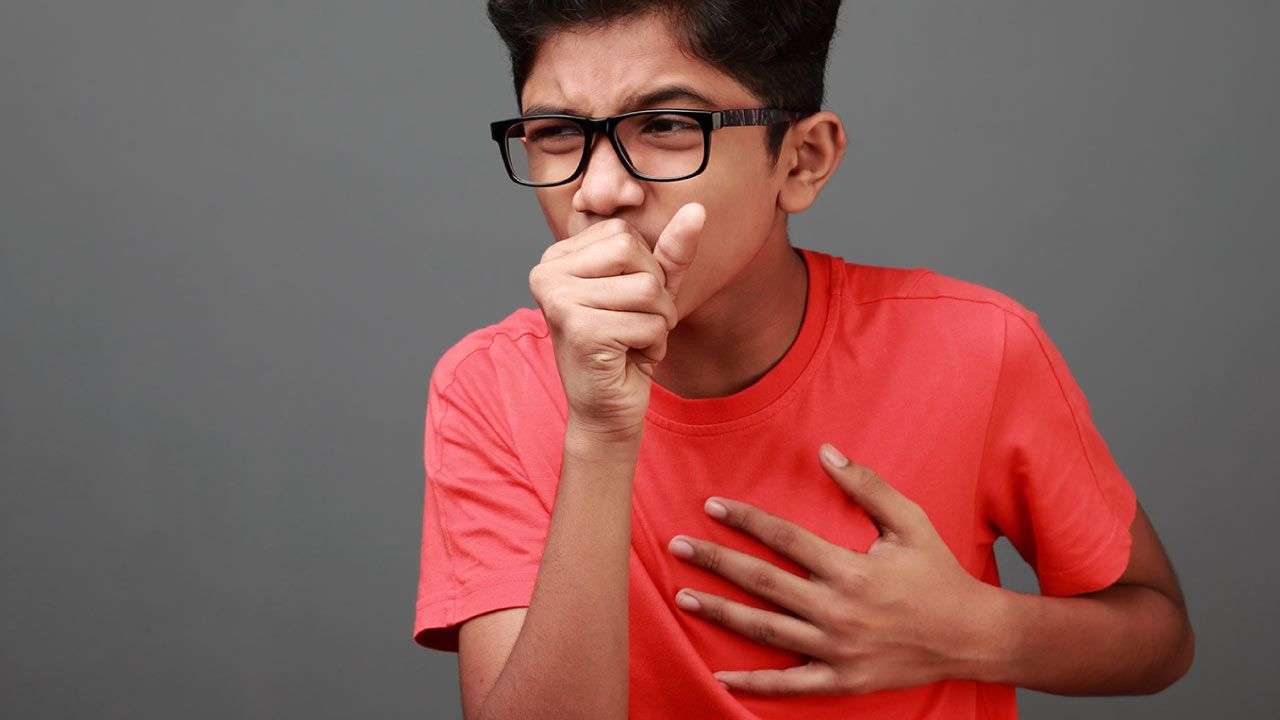
Acute gastroenteritis is a common condition in children characterized by inflammation of the stomach and intestines. It can result from various viral or bacterial infections.
- This illness often presents with symptoms like vomiting, diarrhea, abdominal pain, and fever.
- A clinician usually diagnoses it based on clinical presentation; stool tests may be conducted if bacterial infection is suspected.
- Treatment primarily focuses on maintaining hydration through oral rehydration solutions; intravenous fluids may be needed in more severe cases.
- An appropriate diet should be resumed gradually once improvement starts; some medications may help alleviate symptoms but are not always necessary.
If monitored closely at home with proper hydration strategies, most children recover fully without complications from acute gastroenteritis.
BRONCHIOLITIS
Bronchiolitis is an inflammatory condition affecting the bronchioles in infants and young children. This viral infection typically causes mild to severe respiratory distress.
- The most common symptoms include a runny nose, cough, wheezing, and difficulty breathing.
- A definitive diagnosis is generally made through clinical evaluation and sometimes confirmed with laboratory tests to identify the virus responsible.
- Treatment mainly involves supportive care such as hydration, oxygen therapy if needed, and sometimes nebulized medications to ease breathing.
- Parents should monitor for worsening symptoms which may require immediate medical attention.
Most children recover from bronchiolitis within a couple of weeks with proper care at home or possibly some outpatient management.
ASTHMA
Asthma is a chronic respiratory condition that can significantly affect children's quality of life. It leads to inflammation and narrowing of the airways, making breathing difficult.
- Symptoms may include wheezing, coughing, chest tightness, and shortness of breath, especially during physical activity or at night.
- Diagnosis typically involves a thorough medical history, physical examination, and pulmonary function tests or peak flow monitoring.
- Treatment options often include inhalers that deliver bronchodilators and corticosteroids to reduce inflammation.
- Management also focuses on avoiding triggers such as allergens or respiratory infections.
- Regular follow-ups are recommended to monitor control over the condition and adjust medications as necessary.
With appropriate management, children can lead healthy and active lives despite the challenges posed by asthma.