
Dr Ranvir Tyagi
About Me
Dr Ranvir Tyagi
MBBS
General Physician
10 Years Experience
Biography
My Clinic
OPD Hours
| Monday | Morning | 10:00 AM | - | 02:00 PM |
| Evening | 06:00 PM | - | 09:00 PM | |
| Tuesday | Morning | 10:00 AM | - | 02:00 PM |
| Evening | 06:00 PM | - | 09:00 PM | |
| Wednesday | Morning | 10:00 AM | - | 02:00 PM |
| Evening | 06:00 PM | - | 09:00 PM | |
| Thursday | Morning | 10:00 AM | - | 02:00 PM |
| Evening | 06:00 PM | - | 09:00 PM | |
| Friday | Morning | 10:00 AM | - | 02:00 PM |
| Evening | 06:00 PM | - | 09:00 PM | |
| Saturday | Morning | 10:00 AM | - | 02:00 PM |
| Evening | 06:00 PM | - | 09:00 PM | |
| Sunday | Morning | 10:00 AM | - | 02:00 PM |
| Evening | 06:00 PM | - | 09:00 PM |
Treatments
Specialised care and treatments offered
VACCINATION UPDATES
Keeps vaccination updated according to guidelines protects individuals from preventable diseases throughout life stages. Vaccines play a critical role in public health by preventing outbreaks and safeguarding communities from infectious diseases such as influenza and hepatitis B among others
.- < li style= 'margin-bottom:10px' > Essential Vaccinations: Several recommended vaccines based upon age children require different shots than adults including tetanus boosters ! < li style= 'margin-bottom:10px' >Immunization Schedule: Following schedules assists ensuring you receive required doses timely thus maximizing immunity coverage against targeted viruses! < li style= 'margin-bottom:10px' >Potential Side Effects: Mild discomfort at injection site occasionally seen; serious adverse effects are rare following vaccination . < lt i style=' margin-bottom :10 px '> < stronger/ gt Testing Immunity Levels : In certain cases checking immunity rates through serological testing validates whether previous vaccinations adequately protect you! '< / stronger/ gt '''< p class='text-justify'> Awareness about appropriate vaccines correlates positively towards enhanced immunity ensuring healthy living throughout lifetime!
CHOLESTEROL MANAGEMENT

The management of cholesterol levels is critical for reducing cardiovascular disease risks. Elevated cholesterol can lead to plaque build-up in arteries contributing to heart attacks or strokes. Understanding cholesterol types—LDL (bad) and HDL (good)—is essential for effective management strategies.
- Health Implications: High LDL levels signal heightened risk factors for heart disease while adequate HDL supports overall heart health .
- Symptoms: Abnormally high cholesterol usually has no direct symptoms unless a related condition occurs .
- Diagnosis: Cholesterol checks via a simple blood test reveal both LDL , HDL concentrations allowing insights into one's cardiovascular status .
- Management Strategies: Treatment may involve dietary adjustments , routine aerobic activities , alongside statin medications if lifestyle changes alone fail .
Monitoring your cholesterol empowers you towards healthier cardiovascular living thereby mitigating future risks down the road .
ANNUAL WELLNESS CHECKUP

An annual wellness checkup serves as a vital preventive measure for maintaining overall health. This routine visit allows healthcare providers to assess various aspects of well-being while fostering early detection of potential diseases before they manifest into severe problems.
- The Importance: Regular checkups help track weight fluctuations, monitor blood pressure levels and access any emerging health conditions in their infancy stages.
- Tests involved: Standard exams often incorporate cholesterol checks , blood glucose screenings , cancer screenings based on age , vaccinations updates
- Personalized Approach: Your doctor will tailor advice based on individual risk factors that reveal themselves during this evaluation .
Consistency in attending these annual exams ultimately lays the groundwork for lasting health improvements down the line .
RESPIRATORY HEALTH ASSESSMENT
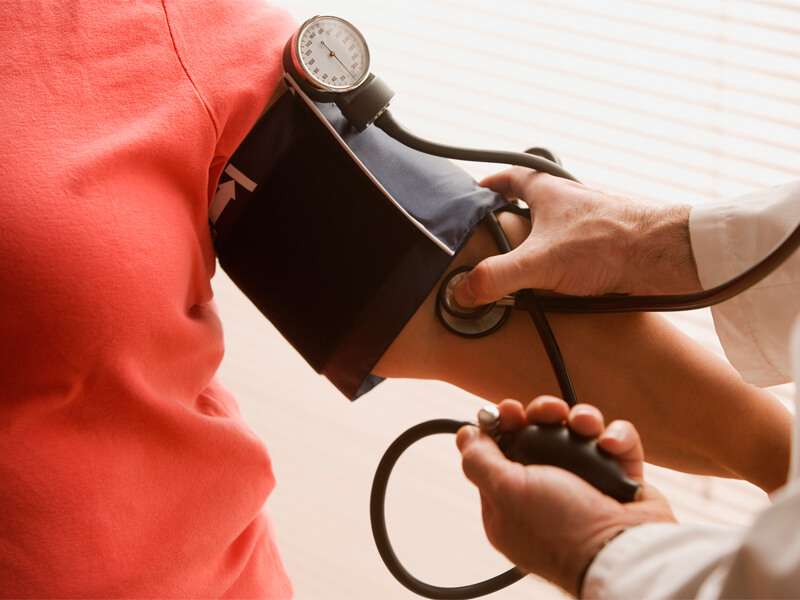
The evaluation of respiratory health encompasses various tests and assessments that determine lung function and detect potential issues such as asthma or chronic obstructive pulmonary disease (COPD). These assessments are vital for individuals experiencing respiratory symptoms or those at risk due to environmental factors.
- Common Symptoms: Persistent coughs, wheezing, shortness of breath during physical activities are primary indicators needing assessment.
- Causative Factors: Smoking history, exposure to pollutants or allergens can significantly affect lung health over time.
- Your Evaluation: A comprehensive respiratory assessment typically includes physical examinations along with spirometry and other diagnostic imaging when necessary.
- Treatment Plans: Depending on findings from your assessment; options may include bronchodilators or inhaled steroids for improving breathing efficiency.
A thorough evaluation ensures any respiratory condition is managed proactively before it escalates into more serious health concerns.
DIABETES SCREENING

Diabetes is a chronic condition characterized by elevated levels of glucose in the blood due to issues with insulin production or function. Early detection through screening can significantly improve management outcomes and reduce complications associated with the disease.
- Symptoms: Common signs include increased thirst, frequent urination, extreme fatigue, and blurred vision.
- Risk Factors: Family history, obesity, lack of exercise, and age over 45 increase the likelihood of developing diabetes.
- Diagnosis: Screening typically involves fasting blood glucose tests or hemoglobin A1c tests during routine check-ups to assess your body's ability to manage sugar levels.
- Treatment Options: Depending on diagnosis severity, management might include dietary changes, regular exercise, medication, or insulin therapy.
- Coping Strategies: Educating patients about monitoring their blood sugar levels can empower them in managing their condition effectively.
An early diagnosis not only facilitates better management but also helps prevent potential complications associated with diabetes.
HYPERTENSION MANAGEMENT

Hypertension, often known as high blood pressure, is a significant health concern that can lead to serious conditions if left untreated. It is generally defined as having consistently elevated blood pressure readings above the normal range. Patients may not experience noticeable symptoms initially, which is why regular screenings are crucial.
- Symptoms: Most people with hypertension experience no symptoms, but severe cases may lead to headaches, shortness of breath, or nosebleeds.
- Causes: Factors contributing to hypertension include obesity, sedentary lifestyle, high salt intake, and stress.
- Diagnosis: Blood pressure is measured using a sphygmomanometer during routine check-ups. Additional tests may be necessary to rule out underlying conditions.
- Treatment Options: Lifestyle changes such as diet modification and increased physical activity are vital. Medications like diuretics or ACE inhibitors may also be prescribed.
- What to Expect: Regular monitoring and follow-up visits ensure treatment effectiveness and help adjust medications if necessary.
Managing hypertension effectively can greatly reduce your risk of heart disease and stroke, making regular check-ups essential for maintaining heart health.