Dr Rashmi Prasad
About Me
Dr Rashmi Prasad
MD
Diabetologist
10 Years Experience
Biography
My Clinic
OPD Hours
| Monday | Morning | 10:00 AM | - | 02:00 PM |
| Evening | 06:00 PM | - | 09:00 PM | |
| Tuesday | Morning | 10:00 AM | - | 02:00 PM |
| Evening | 06:00 PM | - | 09:00 PM | |
| Wednesday | Morning | 10:00 AM | - | 02:00 PM |
| Evening | 06:00 PM | - | 09:00 PM | |
| Thursday | Morning | 10:00 AM | - | 02:00 PM |
| Evening | 06:00 PM | - | 09:00 PM | |
| Friday | Morning | 10:00 AM | - | 02:00 PM |
| Evening | 06:00 PM | - | 09:00 PM | |
| Saturday | Morning | 10:00 AM | - | 02:00 PM |
| Evening | 06:00 PM | - | 09:00 PM | |
| Sunday | Morning | 10:00 AM | - | 02:00 PM |
| Evening | 06:00 PM | - | 09:00 PM |
Treatments
Specialised care and treatments offered
DIABETIC FOOT CARE
Diabetic foot care encompasses preventive practices aimed at avoiding serious complications related to foot problems among patients with diabetes. Due to reduced blood flow and nerve damage stemming from prolonged high blood sugar levels, foot issues require vigilant attention...
- Symptoms might include tingling sensations or wounds that heal slowly due to poor circulation associated with diabetes;
- Health professionals diagnose potential issues via routine examinations examining both sensation function as well as vascular health within feet.;
- Treatment focuses heavily on proper hygiene routines alongside footwear selections tailored specifically protecting fragile skin against injury.;
- Regular podiatry check-ups help identify early signs ensuring timely interventions where necessary;
Prioritizing diabetic foot care significantly reduces risk factors leading towards severe infections ultimately preserving limb integrity!
LIFESTYLE MODIFICATION PROGRAMS
Lifestyle modification programs are essential for anyone managing diabetes. Such initiatives focus on dietary changes, physical activity enhancement, weight management strategies, and smoking cessation efforts where applicable.
- Identifying symptoms like frequent fatigue or unexpected weight loss serves as an entry point into these programs which promote holistic health approaches.
- Diagnosis typically includes various assessments including BMI calculation and metabolic evaluations.
- Effective treatment strategies entail setting realistic goals such as increasing daily physical activity or incorporating healthier foods into meals without sacrificing enjoyment.
- Regular follow-up meetings foster motivation while providing accountability along the journey towards healthier living.
With dedication towards altering unhealthy habits through professional guidance clearly enhances overall wellness outcomes significantly over time!
DIABETES EDUCATION PROGRAMS
Participating in a diabetes education program empowers patients with the knowledge required to manage their condition effectively. These programs are designed to teach individuals about their disease, its implications, and healthy lifestyle choices that support overall well-being.
- Typical symptoms related to uncontrolled diabetes include excessive thirst, constant fatigue, and slow healing sores or infections.
- A comprehensive assessment by healthcare professionals usually precedes enrollment in educational programs to tailor learning experiences appropriately.
- Individuals learn about proper nutrition, exercise regimens, medication adherence, and stress management techniques through these sessions.
- The goal is not only awareness but also skills development that facilitates independence in managing one’s health daily!
This education aims at reducing hospital visits by equipping patients with practical tools necessary for effective self-management of their diabetes journey.
CONTINUOUS GLUCOSE MONITORING
Continuous glucose monitoring (CGM) offers real-time insights into glucose levels, facilitating timely management for individuals with diabetes. This technology utilizes sensors placed under the skin to provide continuous readings throughout the day and night.
- This system helps detect fluctuations in glucose levels that might go unnoticed with traditional methods.
- The diagnostic process includes evaluating glycemic variability along with standard testing procedures like HbA1c checks.
- A CGM device provides data that guides adjustments in dietary habits and medication dosages promptly.
- This approach encourages proactive management which can significantly enhance quality of life by reducing hypoglycemic events.
- Patiens often find this technology invaluable for maintaining more stable glucose control.
The implementation of continuous monitoring can profoundly change how diabetes is managed daily, leading to better outcomes.
INSULIN THERAPY
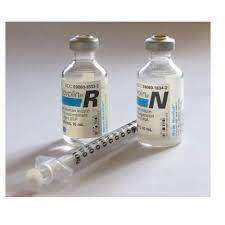
Insulin therapy is a critical treatment for many individuals with diabetes, particularly those with Type 1 diabetes or advanced Type 2 diabetes. Insulin helps control blood sugar levels by allowing sugar to enter cells and be used for energy.
- Common indications for insulin therapy include persistently high blood glucose levels despite oral medications.
- The most common method of diagnosis involves blood glucose testing indicating poor control over time.
- Treatment programs can vary; some patients may require long-acting insulin while others might use rapid-acting forms per meal.
- Monitoring your blood glucose levels regularly will help adjust dosages accordingly.
- This therapy often leads to significant improvements in overall health when adhered to properly.
With consistent insulin usage and monitoring, patients can maintain better control over their diabetes and reduce risks of complications.
MANAGEMENT OF TYPE 2 DIABETES
Type 2 diabetes is a chronic condition that affects the way your body metabolizes sugar (glucose), which is a key source of fuel for your body. This form of diabetes often develops in adults and can lead to serious health complications if not effectively managed.
- Symptoms may include increased thirst, frequent urination, extreme fatigue, and blurred vision.
- The diagnosis is typically made through blood tests that measure blood sugar levels, including fasting blood sugar and HbA1c tests.
- Management options involve lifestyle changes such as diet and exercise, oral medications, and sometimes insulin therapy.
- Regular monitoring of blood glucose levels is essential for managing the condition effectively.
- You can expect to work with healthcare providers to develop a personalized care plan that suits your needs.
Effective management can lead to improved quality of life and a reduction in complications associated with diabetes.