Dr Rashmi V Sequeira
About Me
Dr Rashmi V Sequeira
General Physician
Biography
My Clinic
OPD Hours
| Tuesday | Morning | 10:00 AM | - | 02:00 PM |
| Evening | 06:00 PM | - | 09:00 PM | |
| Wednesday | Morning | 10:00 AM | - | 02:00 PM |
| Evening | 06:00 PM | - | 09:00 PM | |
| Thursday | Morning | 10:00 AM | - | 02:00 PM |
| Evening | 06:00 PM | - | 09:00 PM | |
| Friday | Morning | 10:00 AM | - | 02:00 PM |
| Evening | 06:00 PM | - | 09:00 PM | |
| Saturday | Morning | 10:00 AM | - | 02:00 PM |
| Evening | 06:00 PM | - | 09:00 PM | |
| Sunday | Morning | 10:00 AM | - | 02:00 PM |
| Evening | 06:00 PM | - | 09:00 PM | |
| Thursday | Morning | 10:00 AM | - | 02:00 PM |
| Evening | 06:00 PM | - | 09:00 PM |
Treatments
Specialised care and treatments offered
GASTROINTESTINAL DISORDERS ASSESSMENT
The gastrointestinal system encompasses various functions related to digestion; ailments within this system can significantly impact one’s well-being. Early assessment is crucial for effective management。
- Common symptoms: Abdominal pain, bloating, irregular bowel habits — any disruptiveness warrants assessment from a physician.
- Diagnosis methods: Endoscopy or imaging studies alongside lab tests provide insights into gastrointestinal function.
- Management options: Based on diagnosis; lifestyle adjustments coupled with medications form foundational strategies for many GI disorders. < Li Expectations after treatment:> Patients should see improvements in digestive comfort while being encouraged toward ongoing healthy habits following treatment plans.
THYROID DISORDER TREATMENT

The thyroid gland plays a critical role in regulating metabolism via hormone production. Thyroid disorders can lead to various systemic issues requiring careful attention and management strategies。
- Symptoms: Hypothyroidism may result in fatigue and weight gain; hyperthyroidism could cause unexpected weight loss and increased anxiety.
- Diagnosis: Blood tests measuring thyroid hormones help establish whether the thyroid is functioning optimally.
- Treatment: Medication such as levothyroxine for hypothyroidism or antithyroid drugs for hyperthyroidism aim at maintaining balance in hormonal levels.
- Expectations: Individuals often enjoy a good quality of life with appropriate management post-diagnosis; regular monitoring remains essential throughout treatment.
Connecting with healthcare professionals ensures timely interventions when facing thyroid-related concerns.
CHOLESTEROL MANAGEMENT
Elevated cholesterol levels can pose significant risks for cardiovascular disease. It’s important to understand cholesterol's role in heart health for effective management strategies.
- Causative factors: Poor dietary choices, sedentary lifestyle, obesity genetics influence cholesterol levels substantially.
- Disease association: High cholesterol often shows no symptoms but increases the risk of heart attack or stroke over time without intervention.
- Treatment strategies:Lifestyle modifications such as diet improvement and physical activity are first-line approaches; medications may be prescribed if needed depending on individual risk factors.
RESPIRATORY ILLNESS TREATMENT
Respiratory illnesses range from mild conditions like colds to more severe diseases such as pneumonia. Understanding these conditions can lead to better management and recovery strategies.
- Causes: Factors include viral infections, allergens, environmental pollutants, or chronic conditions like asthma.
- Diagnosis: Physicians often utilize patient history, physical examinations, and imaging studies like chest X-rays to diagnose respiratory illnesses accurately.
- Treatment options: Depending on the diagnosis, treatments may range from antibiotics (for bacterial infections) to inhalers or corticosteroids (for asthma).
- Aim of treatment: Improving breathing efficiency and alleviating symptoms while addressing underlying causes are key goals in managing respiratory illness.
A comprehensive approach including patient education can empower individuals in their recovery process and promote respiratory health.
DIABETES CARE

Diabetes is a chronic condition that affects how your body processes glucose (sugar). Awareness of diabetes is crucial for managing its symptoms and preventing complications.
- Symptoms: Common signs of diabetes include excessive thirst, frequent urination, extreme fatigue, and blurred vision.
- Diagnosis: Diabetes is diagnosed through blood tests measuring glucose levels or via A1C tests that indicate average blood sugar over three months.
- Treatment: Effective management typically involves lifestyle changes complemented by medication or insulin therapy as needed.
- What to expect: Regular monitoring of blood sugar levels helps in managing the condition effectively and can improve quality of life.
If you suspect you have diabetes, consulting a healthcare professional is vital for proper assessment and care planning.
HYPERTENSION MANAGEMENT
Hypertension, often called high blood pressure, is a common health concern that can lead to serious complications if left untreated. It is essential to monitor your blood pressure regularly and understand its implications on overall health.
- Symptoms: Many individuals with hypertension may experience headaches, dizziness, or shortness of breath, although it often remains asymptomatic.
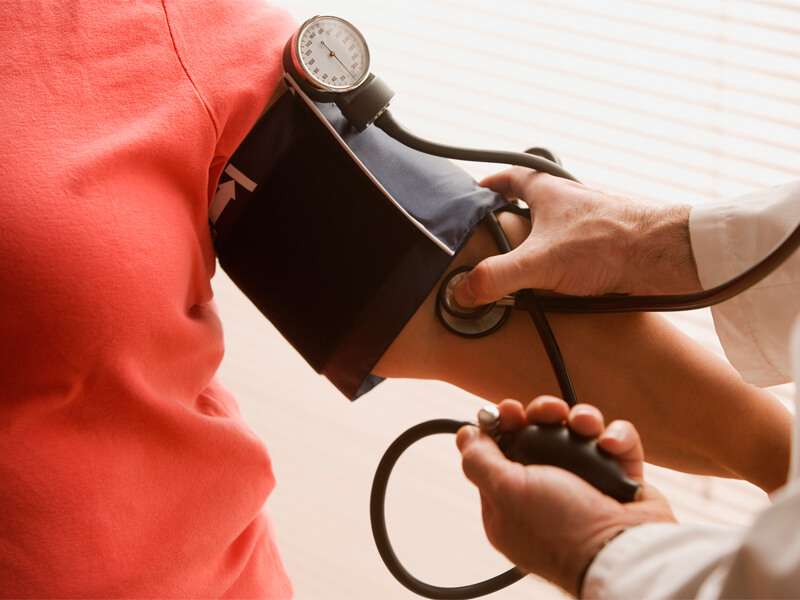
- Diagnosis: Blood pressure readings taken during routine check-ups are standard methods for diagnosing hypertension.
- Treatment: Management options include lifestyle changes such as diet modification, regular exercise, and possibly medications.
- Expectations: With proper management, individuals can maintain normal blood pressure levels and significantly reduce the risk of heart disease or stroke.
Regular follow-ups with a healthcare provider are critical for effective management and to adapt treatment plans as necessary.