
Dr Ratan Rathod
About Me
Dr Ratan Rathod
Cardiologist
Biography
My Clinic
OPD Hours
| Tuesday | Morning | 10:00 AM | - | 02:00 PM |
| Evening | 06:00 PM | - | 09:00 PM | |
| Wednesday | Morning | 10:00 AM | - | 02:00 PM |
| Evening | 06:00 PM | - | 09:00 PM | |
| Thursday | Morning | 10:00 AM | - | 02:00 PM |
| Evening | 06:00 PM | - | 09:00 PM | |
| Friday | Morning | 10:00 AM | - | 02:00 PM |
| Evening | 06:00 PM | - | 09:00 PM | |
| Saturday | Morning | 10:00 AM | - | 02:00 PM |
| Evening | 06:00 PM | - | 09:00 PM | |
| Sunday | Morning | 10:00 AM | - | 02:00 PM |
| Evening | 06:00 PM | - | 09:00 PM | |
| Thursday | Morning | 10:00 AM | - | 02:00 PM |
| Evening | 06:00 PM | - | 09:00 PM |
Treatments
Specialised care and treatments offered
VALVULAR HEART DISEASE

This encompasses various conditions affecting one or more valves in the heart. These valves regulate blood flow through the heart's chambers; dysfunction can profoundly impact cardiovascular health. Knowing about valvular disease is essential for timely intervention!
- Common types : Conditions might involve stenosis or regurgitation of a valve due to wear over time or congenital issues。
- Symptoms : Patients might experience breathlessness during exertion or abnormal heartbeat rhythms as indicators of valve problems。
- Diagnosis : Initially assessed through auscultation followed by echocardiography helps visualize valve structure/function。
- Treatment approaches : Depending on severity, management could range from medication adjustment up to surgical interventions like valve repair/replacement when necessary。
Regular follow-ups are vital for maintaining optimal cardiac health when living with valvular disease; proactive care makes all the difference!
CHOLESTEROL MANAGEMENT
The body needs cholesterol for various functions; however, elevated levels can increase the risk of heart disease. It’s vital to understand how cholesterol works within your body for effective management strategies.
- Sources of cholesterol: The liver produces cholesterol naturally; additionally, certain foods can contribute to increased levels in your bloodstream。
- Symptoms : Elevated cholesterol does not typically present noticeable symptoms until significant damage has occurred; regular testing is key。
- Diagnosis : Blood tests measuring LDL (bad) and HDL (good) cholesterol guide treatment plans。
- Management options : A combination of dietary adjustments—incorporating healthy fats—and medications may be used for those needing help in lowering elevated cholesterol levels。
Understanding your lipid profile empowers you to make informed choices that promote heart health long-term。
HYPERTENSION
Also known as high blood pressure, hypertension quietly damages your body over time but is often asymptomatic. It’s critical to understand its risk factors as it may lead to severe cardiovascular events if left unmanaged.
- Risk factors: Contributing elements include obesity, lack of physical activity, excessive alcohol consumption, and family history.
- Symptoms: Most people do not experience symptoms until it reaches dangerous levels; regular screening is essential for early identification.
- Diagnosis: Blood pressure readings provide clear data; consistent high readings usually prompt further investigation by healthcare professionals.
- Treatment methods: Lifestyle modifications such as dietary changes combined with medications help in controlling blood pressure effectively.
If diagnosed early and managed properly, patients can maintain healthy blood pressure levels and significantly reduce health risks associated with hypertension.
ARRHYTHMIA
An arrhythmia refers to an irregular heartbeat which can manifest as a racing or slowing pulse. This condition may range from being harmless to life-threatening depending on its type and underlying causes. Awareness of arrhythmias is vital for effective management.
- Types: Common forms include atrial fibrillation, bradycardia, and tachycardia.
- Symptoms: Individuals might feel fluttering in their chest, dizziness, or even fainting spells.
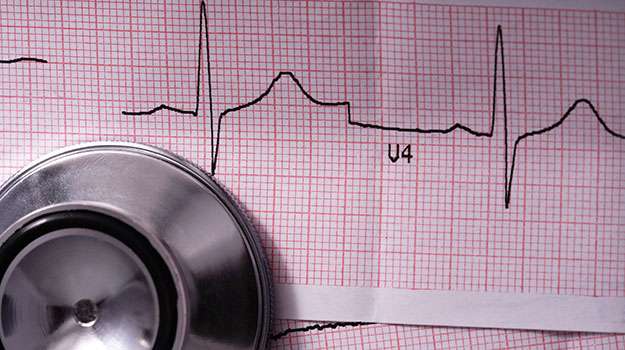
- Diagnosis: A thorough clinical evaluation often involves EKGs which help identify abnormalities in heartbeat patterns.
- Treatment options: Strategies may include medications to regulate heartbeat, catheter ablation procedures, or implantable devices like pacemakers if necessary.
Effective management allows many individuals with arrhythmia to enjoy normal lifestyles without significant restrictions.
HEART FAILURE
Heart failure is a chronic condition where the heart can't pump effectively. This can happen due to various reasons, including previous heart attacks or high blood pressure. Understanding this condition is crucial for managing symptoms and improving quality of life.
- Causes: Factors such as coronary artery disease or hypertension often lead to this condition.
- Symptoms: Key indicators include swelling in the legs, fatigue, and difficulty breathing during physical activity.
- Diagnosis: Doctors typically perform a physical exam along with imaging tests like echocardiograms to evaluate heart function.
- Treatment strategies: Management includes medications like ACE inhibitors and lifestyle changes focusing on diet and exercise.
Early detection and proactive management can significantly enhance outcomes for those living with heart failure.
CORONARY ARTERY DISEASE
This common heart condition occurs when the blood vessels supplying oxygen-rich blood to the heart become narrowed or blocked. Over time, plaque build-up can lead to serious complications, including heart attacks.
- Symptoms: Typical signs include chest pain (angina), shortness of breath, and fatigue.
- Diagnosis: Physicians often use stress tests, echocardiograms, or angiograms to assess the severity of the disease.
- Treatment options: Management may involve lifestyle changes, medications such as statins, and potentially procedures like angioplasty or bypass surgery.
- Management: Regular monitoring and a heart-healthy diet are crucial for long-term health.
With appropriate treatment and lifestyle modifications, many individuals with this condition can lead active lives while minimizing risks.