
Dr Ratish Juyal
About Me
Dr Ratish Juyal
MD
Neurologist
10 Years Experience
Biography
My Clinic
OPD Hours
| Monday | Morning | 10:00 AM | - | 02:00 PM |
| Evening | 06:00 PM | - | 09:00 PM | |
| Tuesday | Morning | 10:00 AM | - | 02:00 PM |
| Evening | 06:00 PM | - | 09:00 PM | |
| Wednesday | Morning | 10:00 AM | - | 02:00 PM |
| Evening | 06:00 PM | - | 09:00 PM | |
| Thursday | Morning | 10:00 AM | - | 02:00 PM |
| Evening | 06:00 PM | - | 09:00 PM | |
| Friday | Morning | 10:00 AM | - | 02:00 PM |
| Evening | 06:00 PM | - | 09:00 PM | |
| Saturday | Morning | 10:00 AM | - | 02:00 PM |
| Evening | 06:00 PM | - | 09:00 PM | |
| Sunday | Morning | 10:00 AM | - | 02:00 PM |
| Evening | 06:00 PM | - | 09:00 PM |
Treatments
Specialised care and treatments offered
CEREBROVASCULAR ACCIDENT (STROKE)

A cerebrovascular accident (CVA), commonly known as a stroke occurs when there’s an interruption in blood supply within brain tissues leading paralysis difficulty speaking constant fatigue manifesting afterward!
- Symptoms : Signs typically present suddenly—numbness/weakness particularly one side face/arm/leg; confusion relating speech recognition difficulties alongside coordination impairment!
- Causes : Risk factors involve hypertension diabetes hyperlipidemia smoking habits sedentary lifestyle—thus proactive measures critical preventative approaches help curb incidence constructively envisioned healthcare landscape moving forward!
- Diagnosis : Physicians utilize imaging modalities such CT/MRI pinpointing affected areas while evaluating level damage sustained respective regions responsible bodily functions overall output roughly estimated each patient case-by-case basis accordingly interacting engaged parties respectively leading resolutions obtained sooner than later!
- < strong 18Treatment Options
ALZHEIMER'S DISEASE
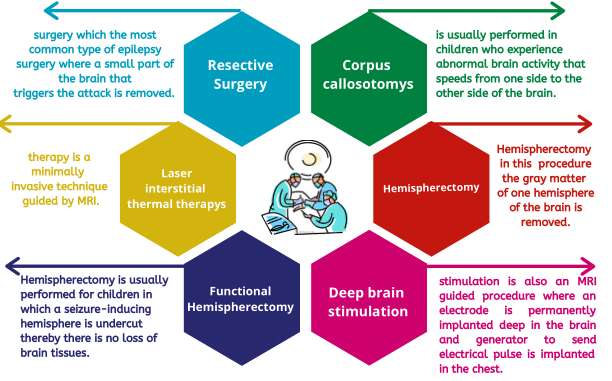
This neurodegenerative disorder gradually impairs cognitive functions such as memory. Alzheimer’s poses significant challenges not only for those affected but also their caregivers due to its progressive nature!
- Symptoms : Early indicators comprise forgetfulness impacting daily activities gradually progressing into severe memory loss along with confusion regarding place/time.
- Causes : While age stands as primary risk factor genes also play vital role making certain individuals more susceptible when compared others—yet research still investigates further causative elements!
- Diagnosis : Comprehensive assessments including cognitive tests alongside neuropsychological evaluations aid healthcare professionals provide definitive diagnosis based observation patient behavior/cognitive capabilities.
- Treatment Options : Although no cure exists pharmacological agents support manage symptoms; additionally lifestyle alterations create supportive environments adapting needs affected individuals .
- What To Expect : Continuous care assures better handling various stages this illness ensuring ultimate comfort families navigating through challenging transitions involved caregiving process!
An informed community fosters compassion understanding promotes early intervention aimed delaying progression enhancing quality remaining memories long after diagnosis made!
PARKINSON'S DISEASE
Parkinson's disease is a progressive neurological disorder that primarily affects movement. Symptoms develop slowly but may intensify over time without proper management.
- Symptoms: Key features include tremors at rest, stiffness of limbs, slow movement (bradykinesia), and balance issues.
- Causes: Though unclear in many cases, factors like genetics and environmental toxins are believed to contribute to its onset.
- Diagnosis : A neurologist conducts a clinical examination focusing on movement patterns along with patient history assessment for accurate diagnosis.
- Treatment Options : Management usually includes medication (like levodopa), physical therapy for mobility support, occupational therapy for daily living skills enhancement.
- What to Expect : Regular follow-ups enable timely adjustments in treatment plans ensuring better control over symptoms as they evolve.
Awareness about Parkinson's encourages early consultation which could lead towards effective symptom control enhancing patient well-being throughout their journey.
MULTIPLE SCLEROSIS
Multiple sclerosis (MS) is an autoimmune disease that impacts the central nervous system. It disrupts communication between the brain and the rest of the body.
- Symptoms: Common signs include vision problems, muscle weakness, coordination issues, and fatigue.
- Causes: While the precise cause remains unclear, it is believed to involve genetic predisposition combined with environmental triggers.
- Diagnosis: Neurologists use MRI scans, blood tests, and lumbar punctures to confirm diagnosis based on symptomatic evaluation.
- Treatment Options: Treatment includes disease-modifying therapies (DMTs), symptom management strategies like physical therapy, and lifestyle modifications tailored for each individual’s needs.
- What to Expect: Early intervention can slow disease progression significantly and enhance patients' overall functioning over time.
A proactive approach to MS care helps in managing symptoms effectively while maintaining a good quality of life for patients.
EPILEPSY
Epilepsy is a chronic neurological disorder characterized by recurrent seizures. It requires comprehensive management for optimal control of symptoms.
- Symptoms: These may include convulsions, unusual sensations, or loss of consciousness during seizures.
- Causes: The exact cause is often unknown but can be linked to genetic factors, head trauma, or infections affecting the brain.
- Diagnosis: Diagnosis involves neurological exams, patient interviews, and brain imaging tests such as MRI or CT scans.
- Treatment Options: Antiepileptic medications are commonly prescribed; some patients may benefit from lifestyle adjustments or surgical options if medications fail.
- What to Expect: With appropriate treatment, many individuals achieve better seizure control and improved quality of life over time.
A thorough understanding of epilepsy aids in managing the condition effectively while reducing stigma associated with it.
MIGRAINE
Migraine is a common neurological condition that affects millions of people worldwide. Characterized by severe headaches, it can significantly disrupt daily life.
- Symptoms: Patients often experience throbbing pain, sensitivity to light and sound, and nausea.
- Causes: Triggers can include stress, hormonal changes, specific foods, and environmental factors.
- Diagnosis: Doctors typically evaluate the patient's medical history and may conduct physical examinations or imaging tests to rule out other conditions.
- Treatment Options: Management may involve medications for pain relief, lifestyle modifications, and preventive therapies.
- What to Expect: Migraines can vary in frequency and intensity; effective management can lead to a significant reduction in episodes over time.
Understanding migraines is crucial for effective symptom management and improving quality of life.