
Dr Raut
About Me
Dr Raut
General Physician
Biography
My Clinic
OPD Hours
| Tuesday | Morning | 10:00 AM | - | 02:00 PM |
| Evening | 06:00 PM | - | 09:00 PM | |
| Wednesday | Morning | 10:00 AM | - | 02:00 PM |
| Evening | 06:00 PM | - | 09:00 PM | |
| Thursday | Morning | 10:00 AM | - | 02:00 PM |
| Evening | 06:00 PM | - | 09:00 PM | |
| Friday | Morning | 10:00 AM | - | 02:00 PM |
| Evening | 06:00 PM | - | 09:00 PM | |
| Saturday | Morning | 10:00 AM | - | 02:00 PM |
| Evening | 06:00 PM | - | 09:00 PM | |
| Sunday | Morning | 10:00 AM | - | 02:00 PM |
| Evening | 06:00 PM | - | 09:00 PM | |
| Thursday | Morning | 10:00 AM | - | 02:00 PM |
| Evening | 06:00 PM | - | 09:00 PM |
Treatments
Specialised care and treatments offered
SKIN CANCER SCREENING
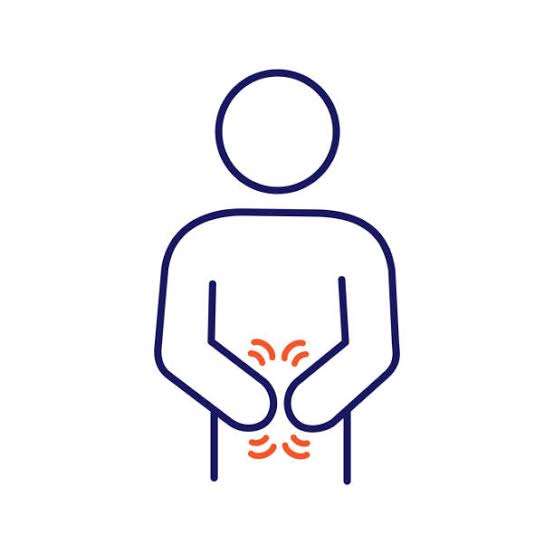
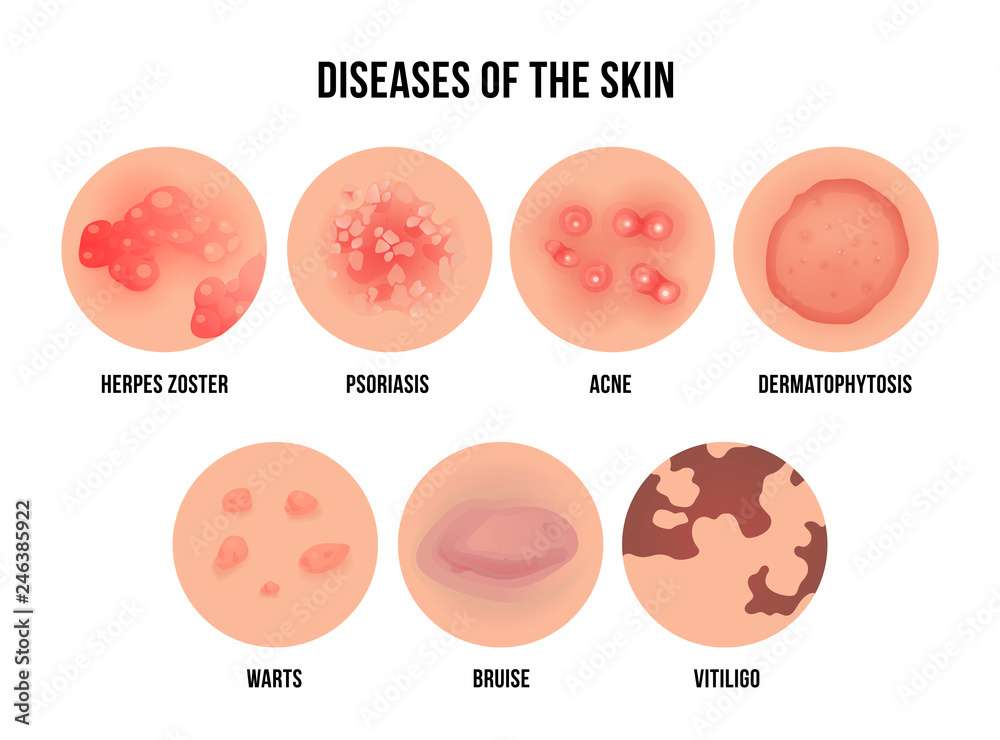
A skin cancer screening is an important examination aimed at identifying suspicious moles or skin lesions that could indicate malignancy. Early recognition enhances treatment success rates significantly.
- Signs : Changes such as asymmetry color irregularities bleeding moles should prompt immediate evaluation by a healthcare professional .
- Risk Factors : A history of excessive sun exposure tanning bed use light-colored skin family history contribute greatly towards developing skin cancer .
- Examination : During the screening , dermatologists utilize visual inspections alongside dermatoscopy techniques yielding higher accuracy in identifying abnormal growths .
- Follow-Up : If any anomalies are found , biopsy procedures may be suggested followed by tailored treatment options tailored accordingly .
Preventive skin checks pave way towards safeguarding one’s wellness while warding off potentially lethal conditions if addressed promptly .
VACCINATION UPDATES

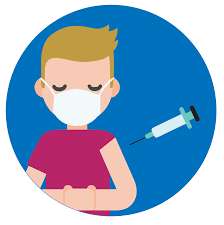
The timely administration of vaccines is essential in preventing infectious diseases throughout life. Adhering to recommended vaccination schedules ensures immunity against various illnesses that can pose serious health risks.
- Catching Up: Immunizations are essential across different age groups; adults often overlook booster doses that are crucial for sustained protection against diseases like influenza and tetanus.
- Consultation : A discussion with your physician will determine necessary vaccinations based on medical history travel plans or occupational exposures particularly relevant in a bustling city environment like Mumbai .
Staying up-to-date with vaccinations not only protects individual health but also contributes towards community well-being by preventing outbreaks through herd immunity .
CHOLESTEROL MANAGEMENT
The importance of maintaining healthy cholesterol levels cannot be overstated due to its direct link with heart disease prevention. Cholesterol management should be part of a holistic approach to overall well-being.
- Buildup Impact: High cholesterol often leads to plaque formation in arteries which increases the risk for heart attacks or strokes without noticeable symptoms initially.
- Disease Prevention: Regular lipid panels can help track cholesterol levels; ideal ranges should be discussed with your healthcare provider based on individual risk factors.
- Lifestyle Changes: Dietary adjustments focusing on omega-3 fatty acids while reducing saturated fats can improve cholesterol levels significantly. Increased physical activity is also advised.
A consistent focus on cholesterol management along with periodic screenings plays a crucial role in sustaining heart health over time.
ANNUAL PHYSICAL EXAM
An annual physical exam serves as a comprehensive assessment of an individual's health status. It is vital for preventive care and establishing a baseline for future health tracking.
- Purpose: This exam helps identify potential health issues before they become serious concerns through routine assessments like blood pressure checks and cholesterol tests.
- Covers: Key areas include physical examination, health history review, screening tests specific to age and gender, vaccinations updates if needed.
- Treatment Options: Depending on findings during the exam, recommendations can include lifestyle changes or referrals to specialists if necessary based on identified concerns.
This proactive strategy fosters communication between patients and healthcare providers while encouraging healthy living habits.
DIABETES SCREENING

Diabetes screening is crucial for early detection of prediabetes or diabetes mellitus. This procedure helps identify individuals at risk before symptoms develop.
- Symptoms: Early stages often have no symptoms; however, frequent urination, excessive thirst, and unexplained weight loss can signal the onset of diabetes.
- Risk Factors: Family history, sedentary lifestyle, obesity, and certain ethnic backgrounds increase susceptibility to diabetes.
- Diagnosis: Blood tests such as fasting glucose levels or HbA1c tests help in diagnosing diabetes. It's recommended for adults over 45 or those with additional risk factors.
- Treatment: Depending on the results, management may involve lifestyle changes like diet and exercise or medication for diabetes control.
A proactive approach through regular screenings can lead to early intervention and better health management.
HYPERTENSION
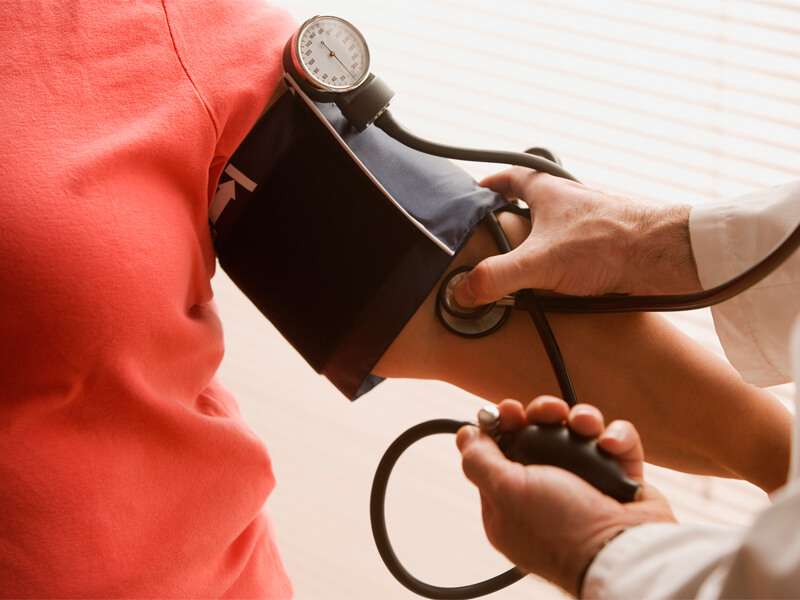
Hypertension, commonly known as high blood pressure, is a prevalent condition affecting millions worldwide. Often termed a 'silent killer,' it may go unnoticed until serious complications arise.
- Symptoms: Many individuals experience no symptoms; however, severe hypertension might manifest as headaches, shortness of breath, or nosebleeds.
- Causes: Risk factors include obesity, sedentary lifestyle, age, genetics, and high salt intake.
- Diagnosis: Blood pressure readings are typically taken during routine visits; an average reading above 130/80 mmHg suggests hypertension.
- Treatment: Management strategies include lifestyle changes such as diet modification and increased physical activity. Medications might be prescribed for more severe cases.
- What to Expect: Regular monitoring and follow-ups are essential to manage the condition effectively and prevent potential complications like heart disease or stroke.
Addressing hypertension early can significantly improve health outcomes and quality of life.