
Dr Ravi Gupta
About Me
Dr Ravi Gupta
Cardiologist
Biography
My Clinic
OPD Hours
| Monday | Morning | 10:00 AM | - | 02:00 PM |
| Evening | 06:00 PM | - | 09:00 PM | |
| Tuesday | Morning | 10:00 AM | - | 02:00 PM |
| Evening | 06:00 PM | - | 09:00 PM | |
| Wednesday | Morning | 10:00 AM | - | 02:00 PM |
| Evening | 06:00 PM | - | 09:00 PM | |
| Thursday | Morning | 10:00 AM | - | 02:00 PM |
| Evening | 06:00 PM | - | 09:00 PM | |
| Friday | Morning | 10:00 AM | - | 02:00 PM |
| Evening | 06:00 PM | - | 09:00 PM | |
| Saturday | Morning | 10:00 AM | - | 02:00 PM |
| Evening | 06:00 PM | - | 09:00 PM | |
| Sunday | Morning | 10:00 AM | - | 02:00 PM |
| Evening | 06:00 PM | - | 09:00 PM |
Treatments
Specialised care and treatments offered
SMOKING CESSATION SUPPORT

Cessation of smoking is one of the most effective ways to improve heart health. Smoking damages blood vessels while raising blood pressure significantly heightening risks associated with various cardiovascular conditions immensely over time!
- Symptoms/Causes: Common signs indicating dependence on nicotine involve cravings or withdrawal symptoms when attempting stop! Understanding how toxins within cigarettes harm arteries reinforce motivation towards quitting ultimately benefitting one's overall wellness immensely henceforth...
- Diagnosis: Assessing addiction levels alongside discussions regarding previous attempts quitting yield valuable insights ensuring personalized approaches effective throughout this journey!
- Treatment Options: The combination behavioral therapies alongside supportive medications helps decrease withdrawal effects enabling smoother transitions into healthier lifestyles gradually maximizing chances success whilst overcoming obstacles encountered during quit attempts progressively benefitting cardiac conditions ultimately leading happier future awaits ahead ...
Embarking upon smoking cessation journey heralds remarkable prospects better living enriching everyday experiences promoting stronger futures altogether fantastically!
STRESS MANAGEMENT TECHNIQUES
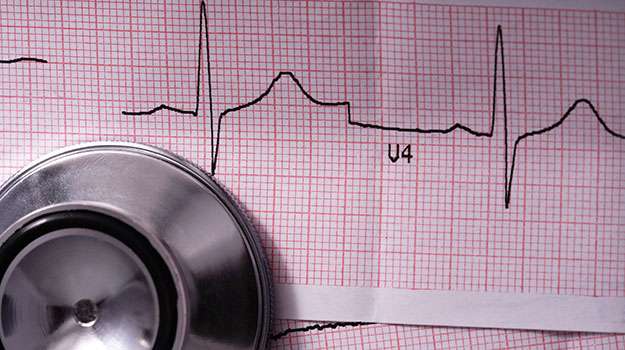
The relationship between stress and heart health cannot be overstated. Chronic stress may contribute directly or indirectly to hypertension and other heart-related issues.
- Symptoms and Causes: Individuals experiencing chronic stress may face anxiety, irritability or sleep disturbances which could affect their overall well-being negatively contributing towards cardiac problems too!
- Diagnosis: Recognizing personal stressors along with associated symptoms helps identify appropriate coping mechanisms tailored specifically for boosting mental resilience alongside improving cardiac function immediately!
- Treatment Options: Techniques often recommended include mindfulness practices like meditation & yoga combined ahead regular exercises proven beneficial both physically emotionally alike drastically enhancing healthy living standards beyond mere prescriptions!
Stress reduction strategies empower individuals reclaim control fostering healthier hearts leading improved quality life each passing moment!
PHYSICAL ACTIVITY GUIDANCE
An active lifestyle is integral for ensuring optimal cardiovascular function. Regular physical activity strengthens the heart muscle and improves circulation throughout the body.
- Symptoms and Causes: Sedentary behavior increases the risk of obesity, high blood pressure, high cholesterol levels, leading towards poor cardiac health outcomes over time.
- Diagnosis: A thorough evaluation of daily activities versus recommended physical activity levels helps formulate personalized exercise plans.
- Treatment Options: Guidelines recommend at least 150 minutes of moderate aerobic exercise each week complemented by strength training on non-consecutive days for comprehensive benefits.
Your journey toward better fitness includes setting realistic goals; gradual increase in physical activity fosters sustained improvement in cardiovascular wellness over time!
HEART-HEALTHY DIET COUNSELING
A heart-healthy diet plays a vital role in preventing cardiovascular diseases. Emphasizing nutritious food choices contributes significantly to overall well-being.
- Symptoms and Causes: Poor dietary habits often lead to weight gain, diabetes, high blood pressure, and increased cholesterol levels that jeopardize heart health.
- Diagnosis: An assessment of current eating habits helps identify patterns that might contribute negatively to cardiovascular health.
- Treatment Options: Recommendations typically include a Mediterranean-style diet rich in fish, nuts, seeds, whole grains, vegetables, and lean proteins while minimizing sugar and processed foods.
- What to Expect: Adapting your eating habits takes time. Regular follow-ups will ensure you stay on track with your dietary goals for heart health improvement.
A commitment to a heart-healthy diet is invaluable for promoting long-lasting cardiovascular health benefits.
CHOLESTEROL MANAGEMENT
Managing cholesterol levels is crucial for maintaining heart health. Elevated cholesterol can contribute to heart disease and other cardiovascular issues over time.
- Symptoms and Causes: High cholesterol typically has no direct symptoms but is linked to unhealthy diets high in trans fats and lack of physical activity.
- Diagnosis: A lipid panel blood test measures total cholesterol, LDL (bad cholesterol), HDL (good cholesterol), and triglycerides.
- Treatment Options: Dietary changes focus on increasing fruits, vegetables, whole grains, and healthy fats while reducing saturated fat intake. Statins or other medications may also be used if lifestyle changes are insufficient.
- What to Expect: Regular check-ups will help track your progress as you work toward lower cholesterol levels through lifestyle changes.
Caring for your cholesterol levels can significantly improve your cardiovascular health over time.
HYPERTENSION MANAGEMENT
High blood pressure, or hypertension, is a common condition that can lead to serious health issues if not managed properly. It affects millions globally and can be influenced by various lifestyle factors.
- Symptoms and Causes: Often referred to as a 'silent killer', hypertension can show no symptoms initially but may lead to headaches, shortness of breath, or nosebleeds in severe cases. Factors include obesity, excessive salt intake, and lack of physical activity.
- Diagnosis: Blood pressure is measured using a sphygmomanometer. A reading consistently over 130/80 mmHg can indicate hypertension.
- Treatment Options: Lifestyle modifications such as adopting a balanced diet low in sodium, regular exercise, and stress management are pivotal. Medications may also be prescribed if necessary.
- What to Expect: Regular monitoring by a healthcare professional is essential. Changes in lifestyle can lead to significant improvements in overall health.
With effective management and lifestyle adjustments, hypertension can be controlled to reduce the risk of complications.