
Dr Ravi Gupta
About Me
Dr Ravi Gupta
MS
Urologists
10 Years Experience
Biography
My Clinic
OPD Hours
| Monday | Morning | 10:00 AM | - | 02:00 PM |
| Evening | 06:00 PM | - | 09:00 PM | |
| Tuesday | Morning | 10:00 AM | - | 02:00 PM |
| Evening | 06:00 PM | - | 09:00 PM | |
| Wednesday | Morning | 10:00 AM | - | 02:00 PM |
| Evening | 06:00 PM | - | 09:00 PM | |
| Thursday | Morning | 10:00 AM | - | 02:00 PM |
| Evening | 06:00 PM | - | 09:00 PM | |
| Friday | Morning | 10:00 AM | - | 02:00 PM |
| Evening | 06:00 PM | - | 09:00 PM | |
| Saturday | Morning | 10:00 AM | - | 02:00 PM |
| Evening | 06:00 PM | - | 09:00 PM | |
| Sunday | Morning | 10:00 AM | - | 02:00 PM |
| Evening | 06:00 PM | - | 09:00 PM |
Treatments
Specialised care and treatments offered
URODYNAMICS TESTING
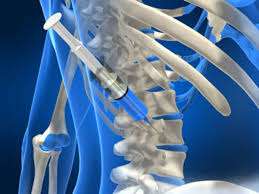
This specialized evaluation assesses how well your bladder functions by measuring pressures during filling and emptying phases. Urodynamics testing is crucial for diagnosing conditions related to bladder control issues such as urinary incontinence or frequent urination tendencies.
- Indications: Patients experiencing urgency, leakage incidents without warning signs will find urodynamic studies invaluable.|
- Testing Process: Tests involve catheter insertion into bladder/vagina/rectum while fluid fills these areas under controlled circumstances amongst various monitors observing these functions|
- Comprehensive Analysis:< / strong > The process provides insights into bladder capacity alongside sphincter strength aiding healthcare providers devise more targeted treatments|< > < / LI < LI > Follow-up Recommendations: > Discuss results thoroughly with your urologist upon completion so tailored adjustments could enhance your quality-of-life scenarios moving forward|
CYSTOSCOPY
Cystoscopy is a diagnostic procedure utilized to examine the bladder and urethra using a thin tube equipped with a camera. It allows urologists to visualize abnormalities directly within these structures and gather biopsies if necessary.
- Purpose: Cystoscopy is often indicated when patients experience recurring urinary tract infections (UTIs), blood in urine, or unexplained pelvic pain issues.
- Procedure Details: Performed under local or general anesthesia, cystoscopy typically lasts about 15-30 minutes and requires little downtime afterward.
- Complications: While adverse effects are rare, mild discomfort like burning sensations may occur after surgery; it’s critical not dismiss persistent symptoms.|
- Follow-up Protocol: Regular follow-up appointments ensure any findings are managed appropriately based on individual patient needs.|
Cystoscopy serves both diagnostic purposes and therapeutic interventions leading toward better management strategies tailored specifically per patient requirements.
PROSTATE BIOPSY

A prostate biopsy is an important diagnostic procedure that helps evaluate suspicious areas found during examinations or imaging tests. It involves extracting tissue samples from the prostate gland for laboratory analysis to determine if cancerous cells are present.
- Cancer Detection: Biopsies are critical following abnormal results from PSA tests or digital rectal exams that suggest potential malignancy.
- Surgical Technique:The procedure can be performed using transrectal ultrasound guidance or through other advanced imaging techniques for accuracy in targeting suspicious tissue locations.
- Aftercare: Post-biopsy care includes monitoring for complications such as bleeding or infection; it's crucial for patients to follow up with healthcare providers regarding results promptly.
- Emotional Support: Receiving biopsy results can be stressful; mental health support during this time may greatly benefit emotional well-being.
Early detection through biopsy plays a pivotal role in improving treatment outcomes should cancer develop.
VASECTOMY

A vasectomy is a permanent contraceptive procedure for men that involves cutting and sealing the tubes that carry sperm. This simple outpatient procedure offers an effective solution for those looking to prevent unwanted pregnancies without impacting sexual function.
- Surgical Technique: The process typically involves local anesthesia; small incisions or punctures are made in the scrotum for quick access to the vas deferens.
- Efficacy: Vasectomy is over 99% effective at preventing pregnancy, making it one of the most reliable forms of birth control available today.
- Counseling Required: Prior discussions about its permanence are essential as reversal procedures are complicated and not guaranteed successful.
- Pain Management: Most men report minimal discomfort post-procedure; standing by basic aftercare instructions aids in quick recovery times.
This approach allows couples peace of mind without ongoing contraceptive measures while maintaining satisfactory sexual health post-surgery.
EXTRACORPOREAL SHOCK WAVE LITHOTRIPSY (ESWL)

This non-invasive treatment is commonly employed for managing kidney stones. Extracorporeal Shock Wave Lithotripsy (ESWL) uses sound waves to break down stones into smaller fragments that can then be easily passed through the urinary tract.
- Causes: Kidney stones form when substances in urine crystallize; dehydration and certain diets can increase risk factors.
- Symptoms: Patients often experience severe pain in the back or side, hematuria (blood in urine), and nausea when stones obstruct urinary passage.
- How it Works: During ESWL, shock waves are directed at kidney stones while patients lie on a special table; no incisions are needed.
- Follow-up Care: After treatment, patients can expect some discomfort as stone fragments pass but should remain hydrated for optimal recovery.
This method offers an efficient solution with minimal downtime, allowing patients to return quickly to their daily activities.
TRANSURETHRAL RESECTION OF THE PROSTATE (TURP)

Transurethral Resection of the Prostate (TURP) is a surgical procedure used to treat urinary problems due to an enlarged prostate. This minimally invasive technique involves removing the inner part of the prostate gland to alleviate symptoms and improve urine flow.
- Symptoms: Common symptoms leading to TURP include difficulty in starting urination, weak urine stream, frequent urination, and nocturia.
- Diagnosis: Diagnosis typically involves a physical exam, medical history review, and tests such as a urinalysis or urine flow study.
- Treatment Options: Besides TURP, treatment may include medication to shrink the prostate or lifestyle changes. For some patients, other minimally invasive procedures may also be recommended.
- What to Expect: The procedure usually requires a short hospital stay and recovery time ranges from a few days to weeks, during which symptoms generally improve significantly.
Overall, TURP can provide effective relief from urinary symptoms associated with benign prostatic hyperplasia (BPH), offering improved quality of life for many patients.