
Dr Ravi Kumar Mat
About Me
Dr Ravi Kumar Mat
MS
Orthopaedic Surgeons
10 Years Experience
Biography
My Clinic
OPD Hours
| Monday | Morning | 10:00 AM | - | 02:00 PM |
| Evening | 06:00 PM | - | 09:00 PM | |
| Tuesday | Morning | 10:00 AM | - | 02:00 PM |
| Evening | 06:00 PM | - | 09:00 PM | |
| Wednesday | Morning | 10:00 AM | - | 02:00 PM |
| Evening | 06:00 PM | - | 09:00 PM | |
| Thursday | Morning | 10:00 AM | - | 02:00 PM |
| Evening | 06:00 PM | - | 09:00 PM | |
| Friday | Morning | 10:00 AM | - | 02:00 PM |
| Evening | 06:00 PM | - | 09:00 PM | |
| Saturday | Morning | 10:00 AM | - | 02:00 PM |
| Evening | 06:00 PM | - | 09:00 PM | |
| Sunday | Morning | 10:00 AM | - | 02:00 PM |
| Evening | 06:00 PM | - | 09:00 PM |
Treatments
Specialised care and treatments offered
TENDON REPAIR SURGERY
Tendon repair surgeries address torn tendons which can result from acute injuries or degenerative changes over time. This operation restores functionality by reattaching tendons back onto their respective bones enabling normal mobility once healed properly.
- Symptoms associated often consist of sudden achy pains upon injury alongside difficulty performing specific movements succinctly showcasing limitations experienced directly due injuries sustained.
- Corrective diagnosis mandates thorough assessments inclusive examining prior medical histories alongside direct physical testing observing range motion deficits around affected areas typically characterized corresponding visual impressions (MRI/Ultrasound).
- Possible treatment mechanisms involve suturing torn tendon ends together meticulously ensuring successful reconnections made possible accompanied adequate post-operative protocols support regaining strength effectively thereafter(){ }
- Patients will experience gradual functional restoration timing peaked approximately several months following appropriate rehabilitation integration causing successful returns everyday tasks respectively thereafter finally!
ANKLE FRACTURE SURGERY

Ankle fracture surgeries are necessary when there is significant displacement from breaks in one or more bones surrounding the ankle joint. Addressing these fractures promptly helps avoid complications related to improper healing and persistent disability later on
- Painful swelling following trauma along with difficulty bearing weight are common
SHOULDER STABILIZATION SURGERY

This surgical procedure aims to correct shoulder instability caused by repeated dislocation events. It helps stabilize the shoulder joint allowing for normal function without recurrent injuries during movement activities after proper healing occurs.
- Main s ymptoms include shoulder dislocations, weakness in arm movements, and pain during certain movements.
- A careful diagnosis usually includes physical examinations alongside imaging tests like MRIs for assessing soft tissue structures around the shoulder joint.
- Treatment may proceed with either open surgery or arthroscopic methods depending on severity; both focus on repairing torn ligaments responsible for stabilization.
- The anticipated outcome involves improved shoulder function while minimizing future dislocation risks through effective post-surgery rehabilitation strategies.
This option offers promising results especially when conservative treatment has proven ineffective over time.
SPINAL FUSION SURGERY

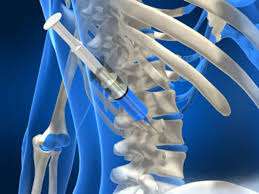
Spinal fusion surgery is performed to treat conditions affecting the spine such as degenerative disc disease or spinal deformities. The goal of this procedure is to permanently connect two or more vertebrae in the spine to reduce pain and improve stability.
- Common symptoms prompting consideration may include chronic back pain that limits daily activities or neurological deficits from nerve compression.
- A detailed diagnosis may involve imaging studies like X-rays or MRIs alongside clinical evaluations by an orthopedic specialist.
- Surgical options vary but generally entail grafting bone between vertebrae—facilitating a healing process that leads to fusion over time.
- The recovery phase often combines bed rest with a structured rehabilitation program aimed at restoring mobility while protecting the surgical site.
This surgery can lead to significant improvements in patient well-being when conservative treatments have failed.
HIP ARTHROSCOPY

Hip arthroscopy is a minimally invasive surgical technique used to diagnose and treat various hip disorders. It involves the insertion of a small camera into the hip joint through tiny incisions allowing for effective treatment without large openings.
- This procedure is ideal for treating conditions such as labral tears or impingement syndromes that cause hip pain.
- A thorough
KNEE REPLACEMENT SURGERY

Knee replacement surgery is a common procedure that can relieve pain and restore function in patients with severe knee damage. This surgery is typically recommended for those suffering from osteoarthritis, rheumatoid arthritis, or knee injuries that have not responded to other treatments.
- Symptoms of knee issues often include persistent pain, swelling, and limited mobility.
- The condition can be diagnosed through physical examinations, X-rays, and MRI scans to evaluate the joint's condition.
- Treatment options include physical therapy, medications, and lifestyle changes, but if these fail, surgical intervention may be necessary.
- During the procedure, damaged cartilage and bone are removed and replaced with artificial components.
- Post-surgery, patients typically undergo rehabilitation to regain strength and improve flexibility.
This surgery can significantly enhance quality of life by alleviating discomfort and improving mobility.