
Dr Ravi Kumar
About Me
Dr Ravi Kumar
Therapist
Biography
My Clinic
OPD Hours
| Tuesday | Morning | 10:00 AM | - | 02:00 PM |
| Evening | 06:00 PM | - | 09:00 PM | |
| Wednesday | Morning | 10:00 AM | - | 02:00 PM |
| Evening | 06:00 PM | - | 09:00 PM | |
| Thursday | Morning | 10:00 AM | - | 02:00 PM |
| Evening | 06:00 PM | - | 09:00 PM | |
| Friday | Morning | 10:00 AM | - | 02:00 PM |
| Evening | 06:00 PM | - | 09:00 PM | |
| Saturday | Morning | 10:00 AM | - | 02:00 PM |
| Evening | 06:00 PM | - | 09:00 PM | |
| Sunday | Morning | 10:00 AM | - | 02:00 PM |
| Evening | 06:00 PM | - | 09:00 PM | |
| Thursday | Morning | 10:00 AM | - | 02:00 PM |
| Evening | 06:00 PM | - | 09:00 PM |
Treatments
Specialised care and treatments offered
ATTENTION DEFICIT HYPERACTIVITY DISORDER (ADHD)
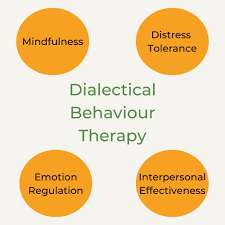
This neurodevelopmental disorder predominantly affects children though it remains manageable into adulthood. Characterized by patterns of behavior involving inattentiveness & hyperactivity leading towards challenges academically socially across various settings!
- Commonly showing signs wherein affected individuals struggle focusing impulsively exhibiting shifts without warning prompts those around them noting fluctuations periodically throughout routines involved completing tasks consistently proving difficult at times too! />
- A careful assessment including parent-teacher surveys clinical interviews guides professionals diagnosing ensure proper identification tailored according specific needs arising accordingly upon evaluation results guiding treatment plans effectively! />/>
- Treatment options emphasize multimodal approaches integrating behavior modification training parental education offering medication alternatives—stimulant/non-stimulant formulations assist among most cases improving focus decreasing impulsive tendencies influencing positive outcomes eqally important via strategic engagement throughout engagements periodically encouraging self-management skills! />/>
- The ongoing collaboration creates pathways towards mastering self-regulation abilities fostering achievements uplifting experiences ultimately putting forth their potential forward benefitting them school..work place alike surrounded environment support doesn’t uplift those struggles rather enables exploration learning receive successfully enable aspiring young minds toward conquering challenges present ensuring brighter futures await ahead! />/>
If you suspect ADHD evaluating fine-tuning strategies communication channels equally educating peers/loved ones encourages understanding careers beyond contributing positively shaping lives influences profoundly empowering potentials exhibited earlier paving way bright possibilities />
BIPOLAR DISORDER
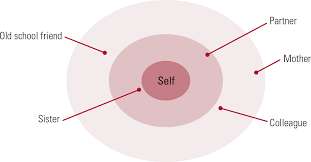
Bipolar disorder causes extreme mood swings that encompass emotional highs (mania or hypomania) and lows (depression). This chronic condition affects many aspects of one’s life if left untreated; understanding it is key to management!
- The emotional highs may involve increased energy levels or irritability while depressive episodes bring low mood along with fatigue & lethargy as common signs...
- A comprehensive psychiatric evaluation assesses history & current state following established diagnostic guidelines determining how best to proceed effectively!
- Treatment typically includes mood stabilizers, cognitive behavioral therapy targeting thought patterns aiding balance between moods along with psychoeducation for patients & families alike concerning what bipolar entails aiding understanding on all fronts!
- A support system ranging from therapy groups emphasizing community connection contributes greatly throughout recovery milestones gaining insight while navigating one’s journey ahead too!
Lifestyle choices including regular exercise & creating routines proved immensely helpful towards fostering stability while managing transitions throughout these cycles enabling greater control over responses moving forward through life’s ups & downs! }
POST-TRAUMATIC STRESS DISORDER (PTSD)
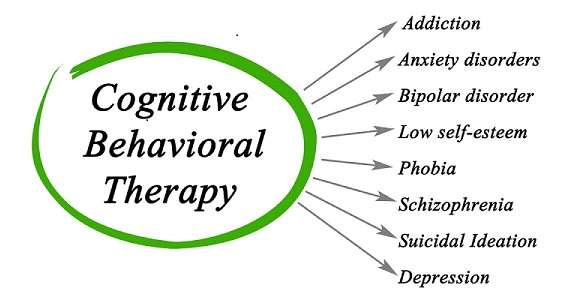
This mental health condition that's triggered by experiencing or witnessing a traumatic event. Symptoms can affect an individual long after the event has passed, impacting overall functioning and quality of life.
- Main symptoms include flashbacks, nightmares about the event, severe anxiety, or uncontrollable thoughts related to the trauma experienced.
- A thorough evaluation from a qualified therapist includes discussing symptoms’ impact on daily life for accurate diagnosis based on established criteria.
- Treatment may feature interventions such as Cognitive Processing Therapy, Eye Movement Desensitization and Reprocessing (EMDR), alongside medication options if needed for managing symptoms effectively.
- A holistic approach often benefits recovery; engaging in social support networks enhances coping mechanisms during therapy sessions further strengthening resilience against stress triggers.
Your path to healing encompasses not only addressing memories but also reshaping how they influence your current reality!
OBSESSIVE-COMPULSIVE DISORDER (OCD)
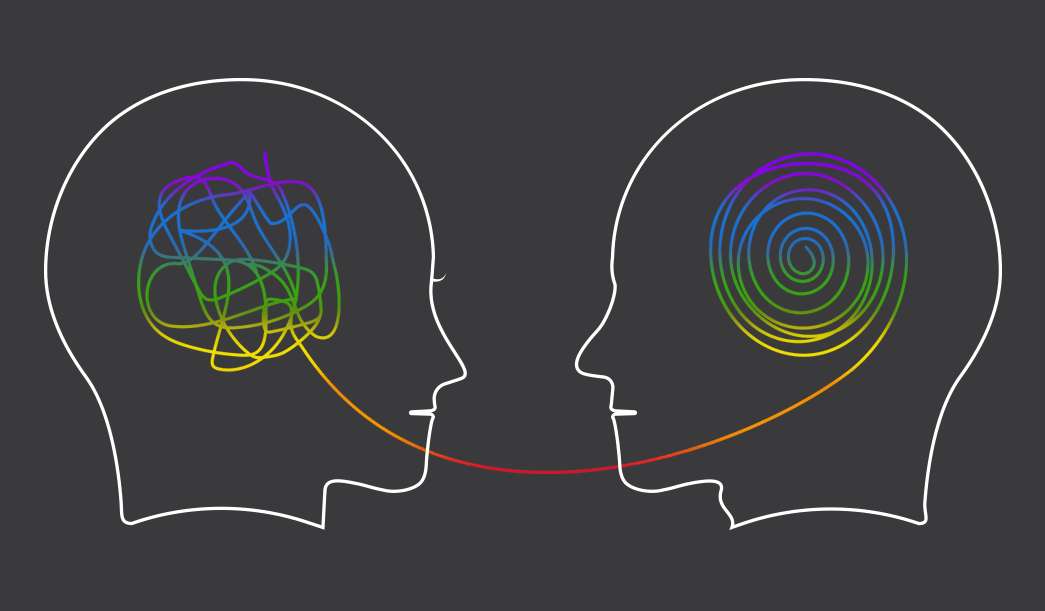
This condition is characterized by unwanted repetitive thoughts (obsessions) and behaviors (compulsions). Many individuals struggle with this debilitating affliction that can disrupt their personal and professional lives.
- The main symptoms might include intrusive thoughts about contamination or harm, leading to compulsive actions such as excessive cleaning or checking things repeatedly.
- A mental health professional will conduct assessments based on criteria from diagnostic manuals to confirm OCD diagnoses effectively.
- Treatment often combines Cognitive Behavioral Therapy (CBT), particularly exposure and response prevention (ERP), with medications like selective serotonin reuptake inhibitors (SSRIs).
- Pacing oneself is crucial; therapy entails facing fears gradually under professional guidance to reduce distress.< 1>
DEPRESSION
This mood disorder affects how you feel, think, and handle daily activities. Depression can manifest in various forms, including major depressive disorder and persistent depressive disorder (dysthymia).
- Common symptoms include feelings of sadness or hopelessness, loss of interest in activities once enjoyed, changes in sleep patterns, and difficulty concentrating.
- A thorough diagnosis is made using clinical interviews and standardized questionnaires to assess the severity of symptoms.
- Treatment strategies may involve psychotherapy, medication options like SSRIs or SNRIs, and lifestyle modifications enhancing emotional well-being.
- An important aspect of management includes establishing a supportive network for emotional encouragement during recovery.
- The journey toward feeling better often takes time; thus patience is essential throughout the process.
A supportive therapeutic environment can foster healing and resilience against future episodes.
ANXIETY DISORDERS
Anxiety disorders are a group of mental health conditions that result in excessive and persistent worry or fear. These feelings can interfere significantly with daily activities and can manifest in various forms, such as generalized anxiety disorder, panic disorder, and social anxiety disorder.
- Symptoms may include restlessness, rapid heartbeat, excessive worry, or avoidance of certain places or situations.
- Diagnosis typically involves a comprehensive assessment that may include psychological evaluation and structured interviews to understand the patient's experiences.
- Management options can range from cognitive-behavioral therapy (CBT) to medication like antidepressants or anti-anxiety drugs.
- Therapeutic techniques such as mindfulness and relaxation training are often beneficial in addressing symptoms.
- Patients can expect gradual improvement with treatment, but it requires active participation and consistency in therapy sessions.
If you believe you are struggling with anxiety, seeking help is a vital step towards regaining control over your life.