
Dr Ravindra G Surude
About Me
Dr Ravindra G Surude
MBBS
General Physician
21 Years Experience
Biography
My Clinic
OPD Hours
| Monday | Morning | 05:30 PM | ||
| Evening | 07:00 PM | |||
| Tuesday | Morning | 05:30 PM | ||
| Evening | 07:00 PM | |||
| Wednesday | Morning | 05:30 PM | ||
| Evening | 07:00 PM | |||
| Thursday | Morning | 05:30 PM | ||
| Evening | 07:00 PM | |||
| Friday | Morning | 05:30 PM | ||
| Evening | 07:00 PM | |||
| Saturday | Morning | 05:30 PM | ||
| Evening | 07:00 PM |
Treatments
Specialised care and treatments offered
PREVENTION & HEALTH EDUCATION
The essence of preventive care lies in educating patients about healthy living choices that minimize disease risk. Knowledge empowers individuals toward better health outcomes throughout their lives!
- Education topics : Include nutrition advice , exercise recommendations , stress management techniques , etc .
- Regular assessments : Integrating routine screenings within proactive healthcare conversations allows identifying high-risk scenarios earlier .
- Personalized approaches: Tailoring guidance based on each individual's unique circumstances fosters adherence .
Your journey towards a healthier life begins with informed decisions made today! Seek consultations regularly for consistent growth promotion!
VACCINATION & IMMUNIZATION

Vaccinations are crucial in preventing infectious diseases that could lead to severe complications. Staying up-to-date with vaccinations protects not only individual patients but also community health at large.
- The importance lies in building immunity against diseases like influenza or hepatitis through timely vaccines.
- Vaccinations are usually assessed based on age group settings along with specific personal medical history factors.
- Regular reviews ensures optimal protection levels according established guidelines required across an individual's lifespan.
A commitment towards vaccination helps cultivate healthier surroundings by decreasing transmission rates while safeguarding vulnerable populations!
CHOLESTEROL MANAGEMENT

Dyslipidemia refers to abnormal levels of lipids in the blood (cholesterol/triglycerides), which can elevate the risk for cardiovascular diseases. Effective management is key to reducing these risks.
- Symptoms:
ANNUAL HEALTH CHECK-UPS
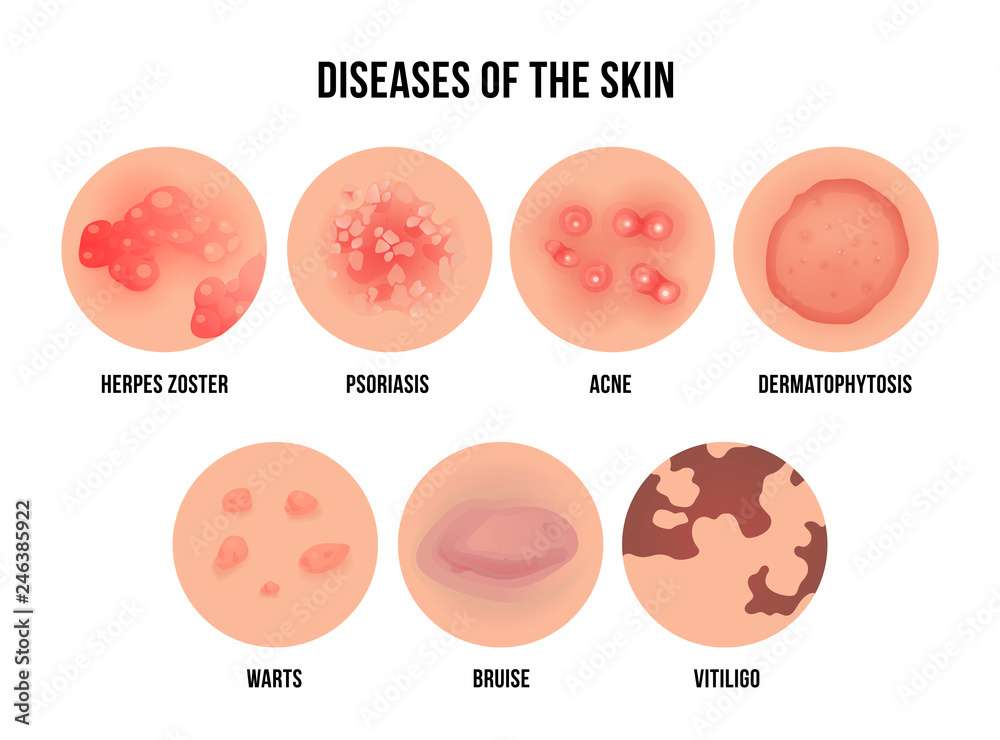
An annual health check-up serves as a vital preventive measure to detect potential health issues before they escalate. Regular examinations allow for early diagnosis and management of various conditions.
- Purpose: The aim is to assess overall health and identify risk factors for chronic diseases like heart disease or diabetes.
- Components:
DIABETES SCREENING

Diabetes is a chronic condition characterized by elevated levels of glucose in the bloodstream. Early detection through screening can prevent complications associated with this metabolic disorder.
- Risk Factors: Family history, obesity, and sedentary lifestyle increase the likelihood of developing diabetes.
- Symptoms: Common symptoms include increased thirst, frequent urination, fatigue, and blurred vision.
- Screening methods: Blood tests measuring glucose levels help in diagnosing diabetes or prediabetes conditions.
- Treatment strategies: These include dietary changes, exercise plans, and medication management based on individual needs.
A proactive approach to diabetes screening can significantly enhance one’s quality of life through early intervention and tailored management plans.
HYPERTENSION MANAGEMENT
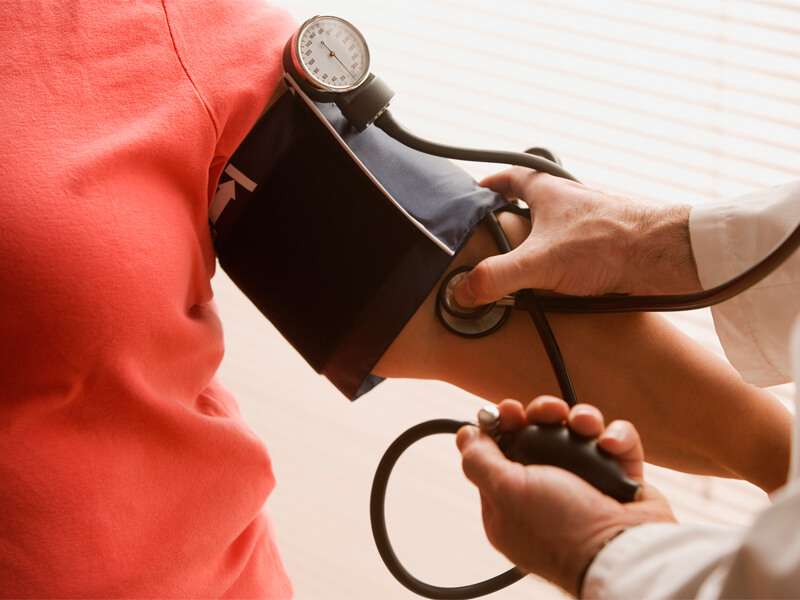
Hypertension, commonly known as high blood pressure, is a condition that can lead to serious health complications if left unmanaged. It's essential to monitor and manage blood pressure effectively to reduce risks of heart disease and stroke.
- Symptoms: Many people exhibit no symptoms, but some may experience headaches, shortness of breath, or nosebleeds.
- Diagnosis: A diagnosis typically involves regular blood pressure readings, along with medical history assessments and potential lab tests.
- Treatment options: Management includes lifestyle modifications such as diet and exercise, alongside medications when necessary.
- Monitoring: Regular check-ups are crucial for assessing the effectiveness of the treatment plan.
By understanding hypertension and adhering to treatment recommendations, individuals can improve their long-term health outcomes.