
Dr Ravindra Homo

Dr Ravindra Homo

MBBS
General Physician
5 183 ratings

About Me

Dr Ravindra Homo

MBBS
General Physician

Biography

Dr. Ravindra Homo is a compassionate and dedicated general physician who has made it her mission to provide comprehensive and empathetic healthcare to all her patients. With a solid educational foundation, holding an MBBS degree, Dr. Homo specializes in general medicine, focusing on the prevention, diagnosis, and treatment of a wide range of health conditions affecting adults and children alike. As a general physician, Dr. Homo understands that good health is the cornerstone of a fulfilling life. She believes in treating every patient as a whole person, not just focusing on symptoms but also considering emotional well-being and lifestyle factors. Her approach often involves taking the time to listen carefully, understanding each patient’s unique concerns, and tailoring treatment plans that align with their individual needs and preferences. Dr. Homo’s experience allows her to manage common illnesses such as infections, respiratory problems, diabetes, hypertension, and gastrointestinal issues effectively. She also emphasizes the importance of preventive care, encouraging patients to adopt healthy habits, get regular check-ups, and stay informed about their health. Whether it’s managing chronic conditions or addressing acute health problems, she aims to empower her patients with the knowledge and tools they need to lead healthier lives. Patients often appreciate Dr. Homo’s warm bedside manner and her ability to make complex medical information easy to understand. She strives to create a welcoming environment where patients feel comfortable discussing their health concerns openly. This trust-building approach helps in early detection and timely management of potential health issues, ultimately leading to better outcomes. Apart from her clinical expertise, Dr. Ravindra Homo is committed to continuous learning, staying updated with the latest developments in general medicine to provide evidence-based care. She works collaboratively with specialists when needed, ensuring a holistic and coordinated approach to her patients’ health. In summary, Dr. Ravindra Homo is a thoughtful, approachable, and skilled general physician devoted to maintaining and improving the overall health of her patients. Her patient-first philosophy, combined with her clinical knowledge, makes her a reliable partner in your healthcare journey. Whether you need routine medical advice, treatment for a specific illness, or guidance on maintaining a healthy lifestyle, Dr. Homo is here to support you every step of the way.

My Clinic

OPD Hours

Monday Morning 10:00 AM - 02:00 PM
Evening 06:00 PM - 09:00 PM
Tuesday Morning 10:00 AM - 02:00 PM
Evening 06:00 PM - 09:00 PM
Wednesday Morning 10:00 AM - 02:00 PM
Evening 06:00 PM - 09:00 PM
Thursday Morning 10:00 AM - 02:00 PM
Evening 06:00 PM - 09:00 PM
Friday Morning 10:00 AM - 02:00 PM
Evening 06:00 PM - 09:00 PM
Saturday Morning 10:00 AM - 02:00 PM
Evening 06:00 PM - 09:00 PM
Sunday Morning 10:00 AM - 02:00 PM
Evening 06:00 PM - 09:00 PM

Treatments

Specialised care and treatments offered

PREVENTIVE HEALTH SCREENINGS
Preventive Health Screenings
  • Common Screenings: Some conventional screenings include cholesterol assessments; cancer screenings such as mammograms/colonoscopies; diabetes checks etc./ li >
  • Frequency: Depending on risk factors/age guidelines suggest varied frequencies of screening ranging from annually until specific intervals after reaching certain milestones./ li >

    Engaging regularly through these preventative measures alongside open dialogues about any concerns ensures better outcomes promoting holistic wellness throughout one’s lifetime./ p >

  • ALLERGY MANAGEMENT

    Allergy Management

    An allergy occurs when your immune system reacts abnormally to substances (allergens) usually considered harmless. Allergies can develop at any age and can manifest in various ways affecting daily life significantly if not appropriately managed.

    • Common Symptoms: Allergies often cause sneezing, itching eyes/nose/throat; skin rashes; or gastrointestinal issues depending on the allergen involved.
    • Sensitivity Testing: Allergy testing through skin prick tests or blood tests assists in identifying specific allergens triggering reactions in individuals reliably
  • Management Strategies: Treatment options generally include avoidance strategies along with antihistamines or corticosteroids being prescribed for controlling reactions effectively.
  • In Summary: It’s essential for affected individuals to work closely with their healthcare provider towards developing personalized allergy action plans ensuring safer environments.
  • With proper attention given towards recognizing triggers you’ll find optimal life balance despite allergies.

    ACID REFLUX DISEASE (GERD)

    Acid Reflux Disease (GERD)

    A common digestive issue known as Gastroesophageal Reflux Disease (GERD) occurs when stomach acid frequently flows back into the esophagus. This backwash irritates the lining of your esophagus leading to discomfort and other symptoms that need addressing.

    • Main Symptoms: The most common symptoms include heartburn, regurgitation of sour liquid, difficulty swallowing, and sometimes even chest pain.
    • Causation Factors: Certain foods, obesity, smoking habits or pregnancy can exacerbate GERD symptoms significantly.
    • Treatment Options: Lifestyle modifications such as weight loss combined with medications might be recommended; severe cases could necessitate surgical interventions.

    If managed well through proper medical guidance and adherence to treatment regimens, patients can experience relief from symptoms effectively enhancing quality of life.

    RESPIRATORY INFECTIONS
    Respiratory Infections

    Respiratory infections are common ailments that can range from mild colds to more severe conditions like pneumonia. These infections affect the airways and lungs and require timely intervention for effective treatment.

    • Symptoms: Symptoms may include cough, sore throat, fever, fatigue, and difficulty breathing depending on the severity of the infection.
    • Diagnosis: Physicians use history assessment and physical examinations alongside breathing tests or chest X-rays if needed.
    • Treatment: Treatment may involve rest, hydration, over-the-counter medications for symptom relief, or antibiotics if a bacterial infection is confirmed.
    • Coping Strategies: Maintaining good hygiene practices and vaccines can help lower the risk of respiratory infections significantly.

    A proactive approach towards prevention can ensure better respiratory health in the long term.

    DIABETES MANAGEMENT

    Diabetes Management

    Diabetes is a chronic condition characterized by elevated blood sugar levels due to problems with insulin production or function. Effective management is crucial to prevent long-term complications that can affect various organs.

    • Symptoms: Common signs include increased thirst, frequent urination, fatigue, and blurred vision.
    • Diagnosis: Diagnosis typically involves fasting blood sugar tests and HbA1c tests that reflect average glucose levels over time.
    • Treatment: A combination of dietary changes, regular physical activity, and medications including insulin therapy are fundamental in managing diabetes effectively.
    • Expectations: Individuals will benefit from regular check-ups to monitor their condition and make necessary adjustments for optimal control of blood glucose levels.

    A comprehensive approach ensures that those living with diabetes enjoy a healthier life while minimizing complications.

    HYPERTENSION MANAGEMENT

    Hypertension Management

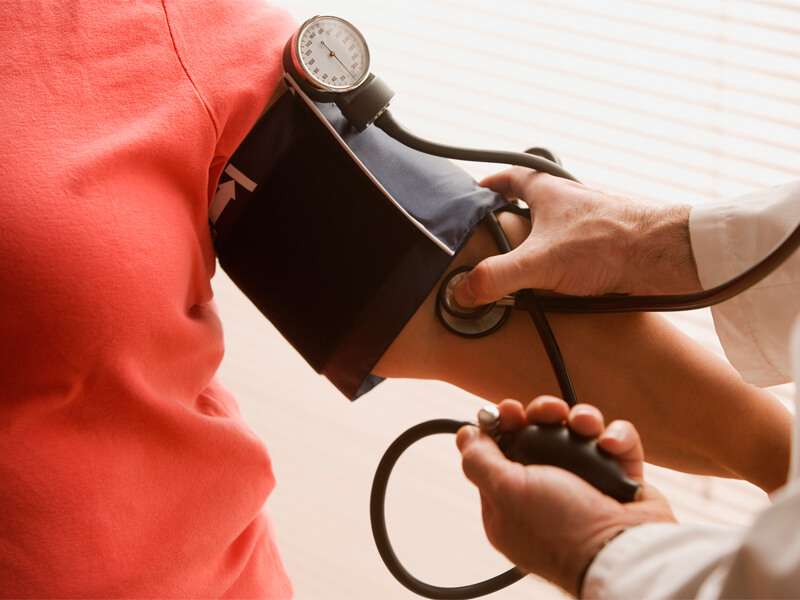
    Hypertension, or high blood pressure, is a prevalent condition that can lead to serious health complications if not properly managed. It is often referred to as a silent killer because it may not present obvious symptoms until significant damage has occurred.

    • Symptoms: Patients may experience headaches, shortness of breath, or nosebleeds, but many remain asymptomatic.
    • Diagnosis: Blood pressure readings taken on multiple occasions along with additional tests such as kidney function tests and cholesterol levels help in diagnosis.
    • Treatment: Management often involves lifestyle changes like diet modification and exercise, along with medications such as diuretics or ACE inhibitors.
    • What to Expect: With proper adherence to treatment plans, many patients see a significant improvement in their health outcomes and reductions in blood pressure readings.

    Ongoing monitoring and communication with healthcare providers are essential for maintaining healthy blood pressure levels.


    FAQs

    How often should diabetics check their blood sugar levels?
    Recommendations suggest regular monitoring varying from several times per day up-to weekly intervals depending upon circumstance—working closely alongside healthcare providers locally aids ensuring better self-management outcomes.
    Are there vaccinations recommended for seasonal allergies?
    Prevention remains key; consult your local general practitioner who may recommend relevant immunotherapy/vaccination strategies tailored uniquely according based upon severity/location-specific allergens affecting you.
    What dietary advice would help manage my hypertension?
    Effective hypertension management encompasses low-sodium diets combined with fresh fruits/vegetables—consider discussing personalized dietary suggestions specifically catered towards your needs during consultations here at your local clinic.
    . Why do preventive screenings matter?
    . Preventive screenings allow early identification/treatment thus reducing risks associated/facilitating higher recovery rates when approached consistently via an informed general practitioner based upon personal medical histories.
    What are common symptoms of respiratory infections?
    . Respiratory infection symptoms vary but typically include coughing/wheezing/sore throats—if persistent seek out consultation from a qualified general physician familiarized with local prevalence patterns.
    How do I know if I have allergies?
    Recognizing allergies often involves observing your body's reactions after exposure—consulting with an experienced general physician will facilitate appropriate allergy testing procedures available right here in Jaipur.
    Can diabetes be reversed?
    While type 2 diabetes management focuses primarily on controlling rather than reversing it entirely—sustained lifestyle changes guided by a general physician within Jaipur could lead many patients toward improved glucose functioning.
    What should I do if I have high blood pressure?
    If you suspect you have high blood pressure in Jaipur's climate conditions consider visiting a general physician who can provide professional advice tailored specifically for you concerning lifestyle modifications alongside possible medication options.