
Dr Ravindra Kumar
About Me
Dr Ravindra Kumar
MBBS
General Physician
Biography
My Clinic
OPD Hours
| Monday | Morning | 10:00 AM | - | 02:00 PM |
| Evening | 06:00 PM | - | 09:00 PM | |
| Tuesday | Morning | 10:00 AM | - | 02:00 PM |
| Evening | 06:00 PM | - | 09:00 PM | |
| Wednesday | Morning | 10:00 AM | - | 02:00 PM |
| Evening | 06:00 PM | - | 09:00 PM | |
| Thursday | Morning | 10:00 AM | - | 02:00 PM |
| Evening | 06:00 PM | - | 09:00 PM | |
| Friday | Morning | 10:00 AM | - | 02:00 PM |
| Evening | 06:00 PM | - | 09:00 PM | |
| Saturday | Morning | 10:00 AM | - | 02:00 PM |
| Evening | 06:00 PM | - | 09:00 PM | |
| Sunday | Morning | 10:00 AM | - | 02:00 PM |
| Evening | 06:00 PM | - | 09:00 PM |
Treatments
Specialised care and treatments offered
URINARY TRACT INFECTIONS (UTI)
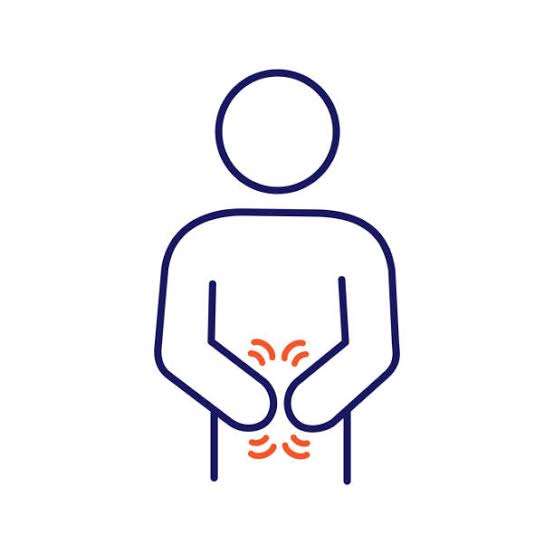
A urinary tract infection (UTI) occurs when bacteria enter the urinary system causing inflammation. Though common among all age groups women are more frequently affected due primarily anatomical differences increasing susceptibility! Prevention tips are important alongside timely intervention!
- Main symptoms, might include painful urination urgency frequent trips feel burning sensation possibly even abdominal pain sometimes fever/chills may occur too depending severity!
- A urinalysis followed by urine cultures confirm diagnosis distinguishing between different bacteria responsible for infections helping guide treatment!
- Treatment often involves antibiotics tailored according individual cultures; over-the-counter pain relievers alleviate discomfort during recovery phase; hydration supports flushing out infection faster too enhancing overall healing process!
- Follow-up appointments ensure resolution monitored via additional urine testing help catch recurrent cases before they escalate requiring interventions!
Effective prevention practices coupled supportive measures play pivotal role reducing future occurrences improving patient satisfaction regarding their urological health!
CHRONIC OBSTRUCTIVE PULMONARY DISEASE (COPD)

COPD is a common lung disease that obstructs airflow making it difficult to breathe. Primarily caused by long-term exposure to irritating gases or particulate matter like cigarette smoke. Recognizing early symptoms can significantly improve patients' quality of life through appropriate management strategies.
- Main symptoms include persistent cough with mucus production, wheezing, shortness of breath, especially during physical activities.
- A comprehensive evaluation involves pulmonary function tests (PFTs) that measure lung capacity and gas exchange efficiency for accurate diagnosis.
- Treatment generally includes bronchodilators along with corticosteroids which work together to alleviate symptoms and improve airflow in conjunction with lifestyle changes such as quitting smoking!
- Palliative care options can also be explored alongside standard treatments focusing on symptom relief as the disease progresses over time providing support system needed for quality home care as needed too!
A thorough understanding alongside active participation in care can greatly enhance coping strategies regarding COPD management!
ANEMIA
Anemia occurs when there are not enough healthy red blood cells to carry adequate oxygen to the body's tissues. Various factors contribute to its development including nutritional deficiencies and chronic diseases. Timely intervention is key to ensuring optimal health outcomes.
- The main symptoms include fatigue, weakness, pale skin, and dizziness—indicative of reduced oxygen transport in the body.
- A complete blood count (CBC) test is commonly used for diagnosing anemia by assessing hemoglobin levels among other parameters.
- Treatment options vary from iron supplements for iron-deficiency anemia to managing underlying causes for anemia related to chronic conditions.
- A follow-up schedule will typically be recommended for monitoring hemoglobin levels during treatment duration as well as dietary recommendations tailored specifically for patients' needs.
Diligent management allows individuals suffering from anemia to regain energy and enhance quality of life significantly.
HYPERLIPIDEMIA
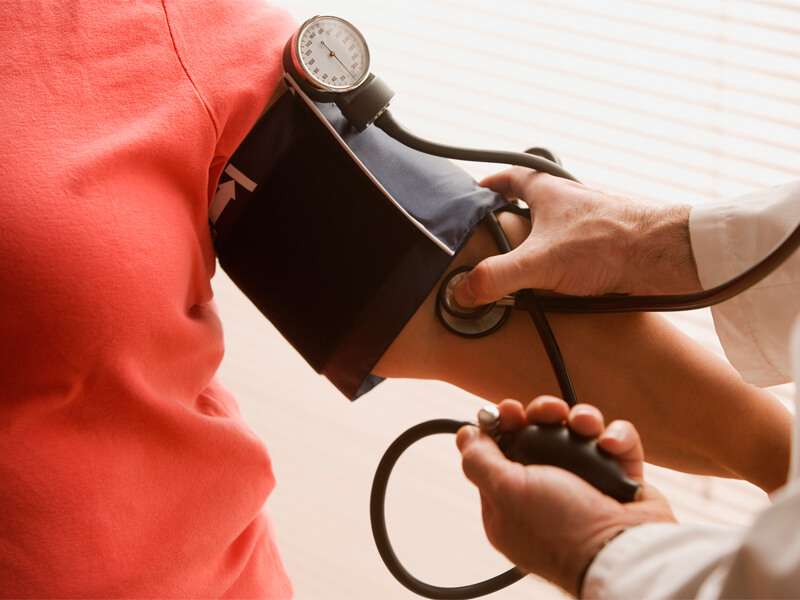
Hyperlipidemia refers to elevated levels of lipids (fats) in the bloodstream, which can lead to cardiovascular diseases. It often develops due to dietary habits combined with genetic predisposition. Awareness and proactive measures can significantly reduce risks associated with this condition.
- The primary symptoms may not be visible until significant health consequences arise; hence it's termed a silent condition.
- A lipid panel test is used for diagnosis to measure cholesterol and triglyceride levels in the blood.
- Treatment focuses on dietary changes, regular physical activity, and when necessary, medication like statins to lower cholesterol levels effectively.
- Patients should expect continual monitoring with periodic blood tests to assess lipid levels throughout their treatment journey.
A well-rounded approach can help manage hyperlipidemia effectively while promoting overall wellness.
HYPERTENSION
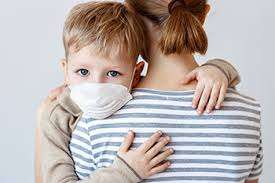
Hypertension, or high blood pressure, affects millions globally and often goes unnoticed. This condition increases the workload on the heart and arteries, leading to severe health issues if left untreated. Regular monitoring is essential for maintaining heart health.
- Common symptoms include headaches, shortness of breath, and nosebleeds; however, many individuals may not exhibit any signs.
- Diagnosis is typically confirmed with consistent readings taken over several visits or home-monitoring devices.
- Treatment may involve lifestyle changes such as diet adjustments and exercise along with antihypertensive medications as needed.
- Regular follow-ups allow for ongoing assessment and adjustment of treatment plans to ensure optimal management.
The aim is to achieve a sustainable reduction in blood pressure to prevent complications like heart disease or stroke.
DIABETES MELLITUS
Diabetes Mellitus is a chronic condition characterized by high levels of sugar in the blood. It occurs when the body either produces insufficient insulin or cannot effectively use the insulin it does produce. Early detection and management are crucial to prevent complications.
- Symptoms include increased thirst, frequent urination, extreme fatigue, and blurred vision.
- A comprehensive diagnosis is made through blood tests, including fasting glucose and HbA1c levels.
- Treatment options may involve lifestyle modifications, medications, and regular monitoring of blood sugar levels.
- Patients can expect individualized care plans that focus on achieving optimal glucose control through diet, exercise, and medication.
With proper management, individuals with diabetes can lead healthy lives while minimizing the risk of complications.