
Dr Ravindra Nath
About Me
Dr Ravindra Nath
MBBS
General Physician
10 Years Experience
Biography
My Clinic
OPD Hours
| Monday | Morning | 10:00 AM | - | 02:00 PM |
| Evening | 06:00 PM | - | 09:00 PM | |
| Tuesday | Morning | 10:00 AM | - | 02:00 PM |
| Evening | 06:00 PM | - | 09:00 PM | |
| Wednesday | Morning | 10:00 AM | - | 02:00 PM |
| Evening | 06:00 PM | - | 09:00 PM | |
| Thursday | Morning | 10:00 AM | - | 02:00 PM |
| Evening | 06:00 PM | - | 09:00 PM | |
| Friday | Morning | 10:00 AM | - | 02:00 PM |
| Evening | 06:00 PM | - | 09:00 PM | |
| Saturday | Morning | 10:00 AM | - | 02:00 PM |
| Evening | 06:00 PM | - | 09:00 PM | |
| Sunday | Morning | 10:00 AM | - | 02:00 PM |
| Evening | 06:00 PM | - | 09:00 PM |
Treatments
Specialised care and treatments offered
ALLERGY TESTING AND MANAGEMENT
The prevalence of allergies continues escalating affecting millions globally; understanding one's specific allergies significantly aids in avoiding triggers while managing reactions more effectively!
GASTROESOPHAGEAL REFLUX DISEASE (GERD)

This chronic digestive disorder occurs when stomach acid frequently flows back into the tube connecting your mouth and stomach (esophagus). Managing GERD effectively is essential for leading a comfortable life free from discomfort due to acid reflux symptoms.
- Symptoms: Common signs include frequent heartburn after meals or at night along with regurgitation while lying down after eating food.
- Causes: Factors contributing include obesity , dietary habits such as spicy foods , alcohol consumption , smoking may aggravate gastroesophageal reflux .
- Diagnosis: A healthcare provider typically assesses symptoms along with endoscopic evaluation if more severe manifestations occur .
- Treatment: The initial step involves lifestyle modifications where patients are advised on dietary changes while medications like antacids provide symptom relief .
- What To Expect : The objective consists primarily towards minimizing flare-ups by encouraging adherence towards recommended guiding practices actively monitored overtime .
A thoughtful approach focusing heavily on lifestyle alterations leads greatly enhances experiences beyond simple therapeutic interventions associated with managing GERD efficiently.
ASTHMA MANAGEMENT
Asthma is a chronic respiratory condition characterized by inflammation and narrowing of the airways. Effectively managing asthma helps individuals maintain better control over their symptoms.
- Symptoms: Patients may experience wheezing, shortness of breath, chest tightness, and coughing particularly at night or during exercise.
- Causes: Triggers include allergens like dust mites or pollen as well as irritants such as smoke or pollution.
- Diagnosis: The diagnosis typically involves reviewing medical history alongside lung function tests to identify airway obstruction.
- Treatment: Long-term control medications like inhaled corticosteroids coupled with quick-relief inhalers are commonly used for asthma management.
- What to Expect: Patients should expect educational support regarding trigger avoidance techniques along with regular monitoring to ensure effective control over symptoms.
Effective asthma management not only improves daily activities but also enhances overall quality of life by minimizing severe episodes triggered by environmental factors.
HYPERLIPIDEMIA
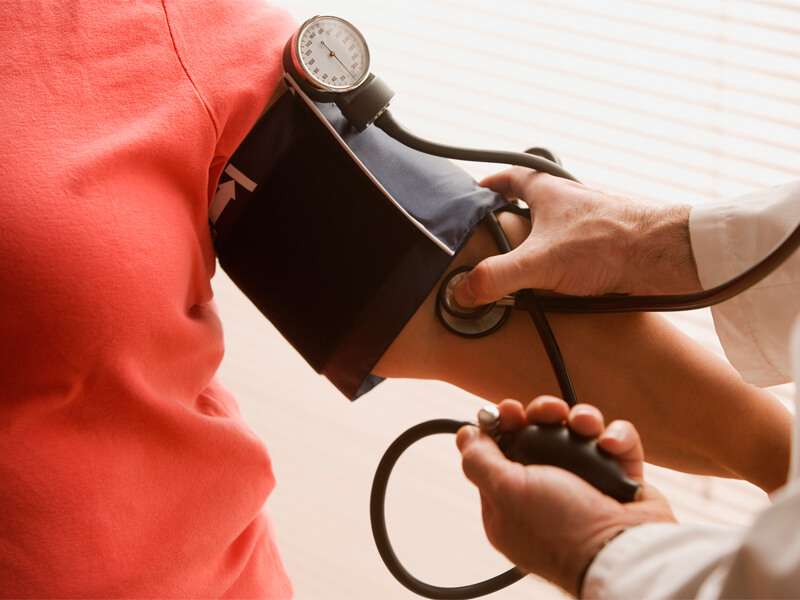
Hyperlipidemia refers to elevated levels of lipids (fats) in the blood, which increases the risk of cardiovascular diseases. It's vital to address this condition early on through proper management strategies.
- Symptoms: Often asymptomatic, patients usually learn they have hyperlipidemia during routine blood tests that reveal high cholesterol levels.
- Causes: Contributing factors include unhealthy diet choices, lack of exercise, obesity, and genetic predisposition.
- Diagnosis: A lipid panel blood test provides information about cholesterol levels and helps assess cardiovascular risk.
- Treatment: Dietary changes such as adopting a heart-healthy diet alongside prescribed medications can meaningfully lower lipid levels.
- What to Expect: Regular follow-ups are necessary to track progress and make adjustments accordingly for effective management over time.
Caring for hyperlipidemia is essential in order to reduce heart disease risks associated with elevated lipid levels in the bloodstream.
DIABETES MANAGEMENT

The management of diabetes is crucial for maintaining overall health. This chronic condition affects how your body uses glucose, which is vital for energy production.
- Symptoms: Increased thirst, frequent urination, extreme fatigue, and blurred vision can indicate diabetes.
- Causes: Genetic factors, lifestyle choices like poor diet and inactivity play significant roles in the onset of diabetes.
- Diagnosis: Blood tests measuring glucose levels help determine if a patient has diabetes or pre-diabetes.
- Treatment: A combination of lifestyle modifications along with insulin therapy or oral medications helps regulate blood sugar levels effectively.
- What to Expect: Patients will need regular check-ups to monitor their condition and adjust treatment plans as necessary for optimal management.
A proactive approach toward managing diabetes can significantly enhance quality of life and prevent complications over time.
HYPERTENSION
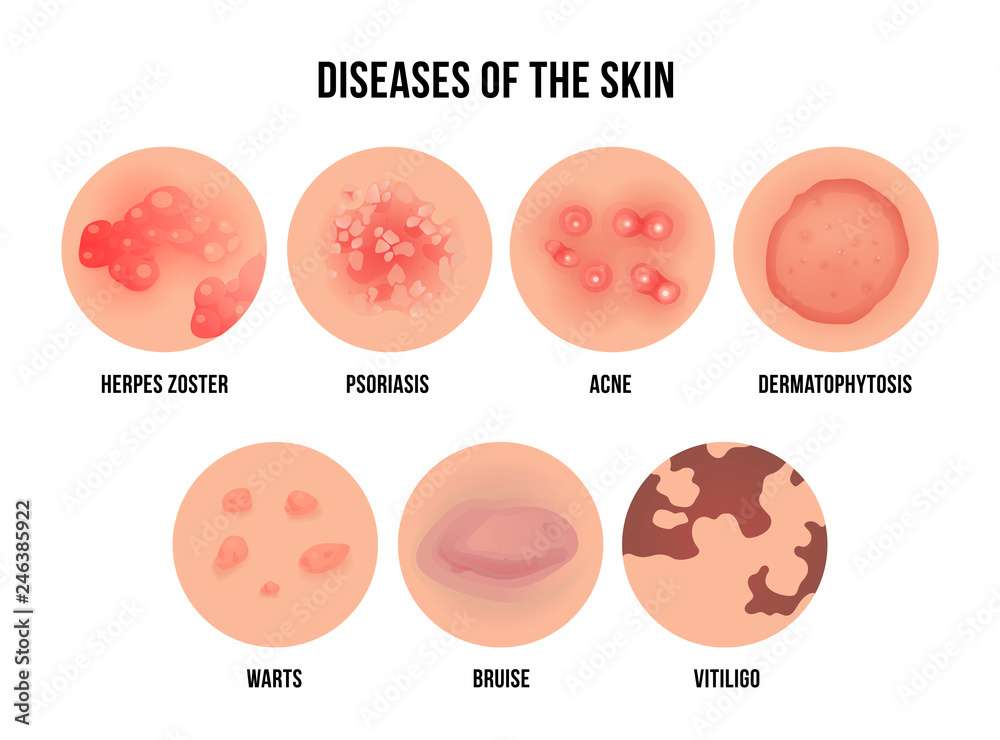
Hypertension, or high blood pressure, is a common condition that affects many adults. It often develops over many years and can lead to serious health problems if left untreated.
- Symptoms: Many individuals with hypertension may not experience noticeable symptoms, but it can lead to headaches, shortness of breath, or nosebleeds in severe cases.
- Causes: Factors such as obesity, lack of physical activity, high salt intake, and genetic predisposition can contribute to its development.
- Diagnosis: Blood pressure is measured using a sphygmomanometer during a standard medical check-up; multiple readings may be needed for an accurate diagnosis.
- Treatment: Lifestyle changes including diet and exercise are critical; medications like diuretics or ACE inhibitors might be prescribed when necessary.
- What to Expect: Regular monitoring of blood pressure and potential adjustments in treatment help manage the condition effectively.
Taking steps to control hypertension is essential for long-term health and reducing the risk of heart disease and stroke.