
Dr Ravindra Sanglikar
About Me
Dr Ravindra Sanglikar
MBBS
General Physician
31 Years Experience
Biography
My Clinic
OPD Hours
| Monday | Morning | 09:00 AM | ||
| Evening | 09:00 PM | |||
| Tuesday | Morning | 09:00 AM | ||
| Evening | 09:00 PM | |||
| Wednesday | Morning | 09:00 AM | ||
| Evening | 09:00 PM | |||
| Thursday | Morning | 09:00 AM | ||
| Evening | 09:00 PM |
Treatments
Specialised care and treatments offered
ALLERGY MANAGEMENT
Allergies occur when the immune system reacts abnormally to substances known as allergens. Effective allergy control starts with identifying triggers that affect daily life quality for many people around the world!
- Common allergy triggers range from food items like nuts & shellfish through environmental factors such as pollen , dust mites & pet dander causing discomforts like sneezing , itching , hives etc. < / u l >
- Treatment options encompass avoidance techniques thoroughly detailed within consultation sessions coupled per recommended medication therapies aimed addressing symptoms relief effectively thus enhancing living environments positively overall! < / u l >
Diagnosing allergies requires thorough evaluations including skin prick testing along with specific IgE antibody assessments performed primarily by healthcare professionals covering respective exposures during life times thus providing tailored feedback accordingly .
Regular follow-up supports tracking progress ensuring patients gain insights toward managing conditions efficiently leading healthier lifestyles as outcomes desired through knowledge acquired from experiences shared herein alongside guided rules set up beforehand purposefully designed thus rendering assistance optimally wherever needed most therefore !
HIGH CHOLESTEROL CARE

Elevated cholesterol levels can increase the risk of heart disease significantly. Understanding cholesterol management is crucial in fostering cardiovascular health across all age groups.
- The most common indicators of high cholesterol are typically silent until they result in more prominent health issues like heart attacks or strokes; hence routine screenings are essential!
- A lipid panel test measures total cholesterol levels including low-density lipoprotein (LDL) which contributes most significantly to arterial blockages led by fatty deposits called plaque formation damaging arteries over time./
- Lifestyle intervention comprises adopting a heart-healthy diet rich in fruits , vegetables , whole grains while limiting saturated fats combined with daily exercise often helps lower LDL levels effectively./
- If necessary , medications such as statins might be prescribed based on individual risk factors present during assessment consultations ./< li />< u l >
Taking proactive steps toward regulating cholesterol level significantly reduces risks associated with cardiovascular diseases over long-term periods .
WEIGHT MANAGEMENT STRATEGIES

Maintaining healthy weight is vital for overall well-being. Weight management involves understanding the balance between caloric intake versus expenditure for optimal health outcomes.
- The risks associated with being overweight include heart disease, type 2 diabetes, hypertension, and certain types of cancer among others related health issues.
- A thorough assessment typically includes measuring body mass index (BMI) along with dietary habits evaluation by healthcare professionals for personalized strategies.
- An effective approach combines regular physical activity with balanced nutrition focusing on whole foods while limiting processed items.
- Counseling support may also assist individuals in making sustainable lifestyle changes that promote lasting weight loss results.
Sustained dedication towards lifestyle changes leads individuals closer to their target weight while improving overall health significantly over time.
ASTHMA CONTROL
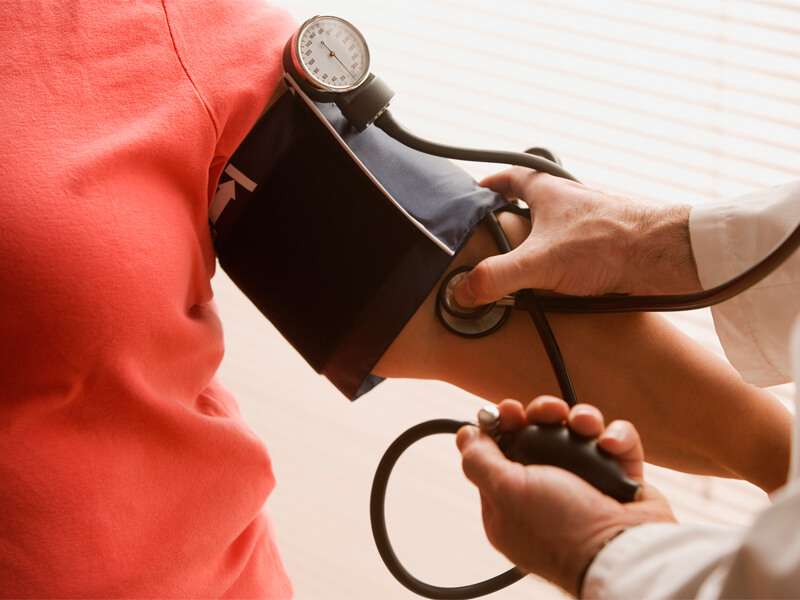
Asthma is a chronic respiratory condition that inflames and narrows the airways. Effective management allows individuals to breathe easier and improves their quality of life.
- The most recognizable symptoms include wheezing, coughing, shortness of breath, and chest tightness particularly at night or during physical activity.
- A doctor may perform lung function tests or allergy assessments for diagnosis alongside evaluating medical history and symptoms.
- Treatment involves avoiding triggers such as smoke or allergens and using inhaled medications like bronchodilators or corticosteroids for asthma control.
- An individualized asthma action plan should be developed for consistent symptom management and emergency responses when needed.
- Persistent monitoring by recognizing patterns in symptoms plays a crucial role in managing asthma effectively over time.
With proper treatment and lifestyle adaptations, individuals can manage asthma successfully to minimize flare-ups and maintain their daily activities.
DIABETES MANAGEMENT

Diabetes is a chronic condition characterized by elevated blood sugar levels due to insulin issues. Proper management is key to preventing complications associated with diabetes.
- Common symptoms include increased thirst, frequent urination, extreme fatigue, and blurred vision.
- A healthcare provider can diagnose diabetes through fasting blood tests or HbA1c tests that measure the average glucose levels over time.
- Lifestyle changes such as engaging in regular physical activity and adopting a nutritious diet are fundamental for managing diabetes effectively.
- Medications or insulin therapy may be indicated depending on the type and severity of diabetes.
- Ongoing monitoring of blood glucose levels helps in adjusting treatment plans as necessary.
A proactive approach enables patients to maintain optimal health despite having diabetes.
HYPERTENSION MANAGEMENT

Hypertension, commonly known as high blood pressure, is a serious condition that can lead to severe health complications if left untreated. Understanding and managing hypertension is crucial in preventing cardiovascular diseases.
- Symptoms may include headaches, dizziness, nosebleeds, or shortness of breath, although often it can show no symptoms at all.
- Diagnosis typically involves regular blood pressure readings taken during medical check-ups.
- Management options include lifestyle modifications such as a balanced diet, regular exercise, reducing sodium intake, and maintaining a healthy weight.
- Medications may also be prescribed if lifestyle changes are insufficient to control blood pressure levels.
- Regular monitoring of your blood pressure is essential to ensure that the management plan is effective.
With appropriate management, individuals with hypertension can lead active and healthy lives.