
Dr RC Damani
About Me
Dr RC Damani
MD
Internal Medicine
10 Years Experience
Biography
My Clinic
OPD Hours
| Monday | Morning | 10:00 AM | - | 02:00 PM |
| Evening | 06:00 PM | - | 09:00 PM | |
| Tuesday | Morning | 10:00 AM | - | 02:00 PM |
| Evening | 06:00 PM | - | 09:00 PM | |
| Wednesday | Morning | 10:00 AM | - | 02:00 PM |
| Evening | 06:00 PM | - | 09:00 PM | |
| Thursday | Morning | 10:00 AM | - | 02:00 PM |
| Evening | 06:00 PM | - | 09:00 PM | |
| Friday | Morning | 10:00 AM | - | 02:00 PM |
| Evening | 06:00 PM | - | 09:00 PM | |
| Saturday | Morning | 10:00 AM | - | 02:00 PM |
| Evening | 06:00 PM | - | 09:00 PM | |
| Sunday | Morning | 10:00 AM | - | 02:00 PM |
| Evening | 06:00 PM | - | 09:00 PM |
Treatments
Specialised care and treatments offered
GASTROESOPHAGEAL REFLUX DISEASE (GERD)
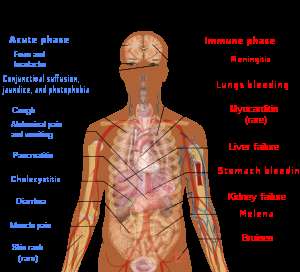
GERD is a digestive disorder characterized by acid reflux—when stomach acid flows back into the esophagus causing discomfort. It's essential to recognize this condition early as it can substantially affect daily life quality if left untreated.
- Symptoms : Symptoms mainly include persistent heartburn along with regurgitation of sour liquid in the mouth or throat sensation.
- Diagnosis : A healthcare provider may conduct an endoscopy if symptoms are severe or persistent after initial treatment approaches.
- Treatment : Lifestyle modifications such as dietary changes along with over-the-counter antacids could alleviate mild symptoms; stronger prescription medicines might be needed for severe cases.
- Ongoing Care : Regular follow-ups would ensure effective management while adjusting treatment plans based on symptom progress.
The goal in managing GERD effectively revolves around minimizing discomfort while preventing further complications related to esophageal injury from persistent reflux episodes.
ASTHMA
Asthma is a chronic inflammatory condition that affects the airways leading to episodes of wheezing, breathlessness, chest tightness, and coughing. It can be triggered by various irritants or allergens present in the environment.
- Symptoms : Common symptoms include shortness of breath particularly during physical exertion or at night-time.
- Diagnosis : A thorough patient history along with breathing tests (like spirometry) helps confirm asthma diagnosis.
- Treatment : Treatment options include inhaled corticosteroids for long-term control along with bronchodilators for immediate relief during an asthma attack.
- Avoidance : Identifying triggers is essential; maintaining an asthma action plan helps manage flare-ups effectively.
With proper management strategies tailored to individual needs, asthma patients can lead full active lives.
CHRONIC OBSTRUCTIVE PULMONARY DISEASE (COPD)
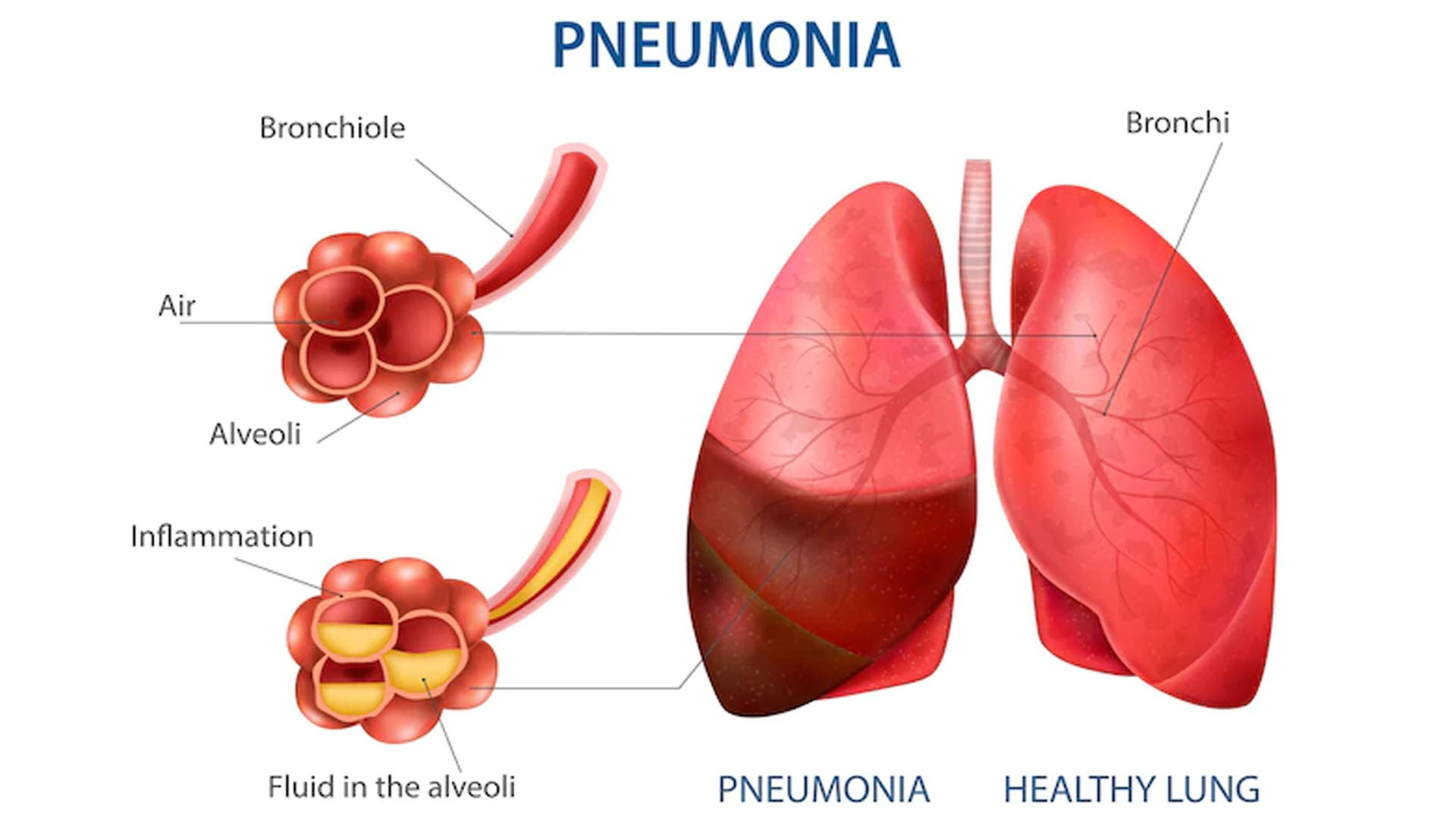
COPD is a progressive lung disease characterized by increasing breathlessness. It primarily results from long-term exposure to irritating gases or particulate matter, most often from cigarette smoke.
- Symptoms: Symptoms include chronic cough, sputum production, wheezing, and difficulty breathing during physical activities.
- Diagnosis: Diagnosis typically involves pulmonary function testing (spirometry) along with clinical assessment of symptoms and history of exposure to risk factors.
- Treatment : Management focuses on quitting smoking, pulmonary rehabilitation programs, medications like bronchodilators or steroids may be recommended depending on severity.
- Monitoring : Patients should have regular follow-ups to track lung function and adapt their management plan accordingly.
Taking proactive steps can significantly enhance the quality of life for those affected by COPD.
HYPERLIPIDEMIA
Hyperlipidemia refers to having elevated levels of lipids (fats) in the blood, which increases the risk for cardiovascular diseases. It generally involves increased cholesterol or triglycerides levels that require careful management.
- Symptoms: Hyperlipidemia typically lacks specific symptoms but may be indicated by developing heart-related conditions over time.
- Diagnosis: A simple blood test called a lipid panel measures cholesterol levels to confirm hyperlipidemia.
- Treatment: Treatment often includes lifestyle changes such as adopting a heart-healthy diet, engaging in regular exercise, and sometimes taking lipid-lowering medications like statins.
- Follow-Up: Continuous evaluation through regular check-ups helps keep lipid levels within a healthy range.
Aiming for optimal lipid levels is crucial in maintaining long-term cardiovascular health and preventing future complications.
TYPE 2 DIABETES
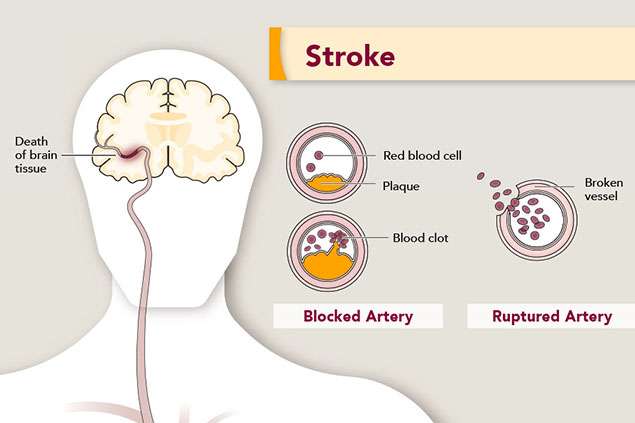
Type 2 diabetes is a chronic condition affecting how your body metabolizes sugar (glucose). This leads to elevated blood sugar levels which can have severe long-term effects on various organs if not controlled.
- Symptoms: Common signs include increased thirst, frequent urination, fatigue, and blurred vision.
- Diagnosis: Blood tests measuring glucose levels help in diagnosis; fasting glucose or HbA1c tests are commonly used.
- Treatment: Lifestyle changes such as dietary adjustments and increased physical activity play a critical role; medications may also be prescribed when necessary.
- Management: Regular monitoring of blood sugar levels is essential to prevent complications associated with diabetes.
A proactive approach toward managing Type 2 diabetes can greatly enhance quality of life and reduce health risks.
HYPERTENSION
Hypertension, or high blood pressure, is a common condition where the force of the blood against your artery walls is consistently too high. Over time, this can lead to serious health problems, including heart disease and stroke.
- Symptoms: Often called the 'silent killer', hypertension usually presents no symptoms until serious issues arise.
- Diagnosis: Blood pressure readings are taken during routine check-ups; consistent readings above 130/80 mmHg indicate hypertension.
- Treatment: Management may include lifestyle changes such as improved diet, regular exercise, and medications like diuretics or ACE inhibitors.
- Monitoring: Regular follow-up appointments are necessary to monitor blood pressure and adjust treatment as needed.
Proper management of hypertension can significantly lower risks for complications and improve overall health.