
DR Rekha Jain
About Me
DR Rekha Jain
MD
Cardiologist
Biography
My Clinic
OPD Hours
| Monday | Morning | 10:00 AM | - | 02:00 PM |
| Evening | 06:00 PM | - | 09:00 PM | |
| Tuesday | Morning | 10:00 AM | - | 02:00 PM |
| Evening | 06:00 PM | - | 09:00 PM | |
| Wednesday | Morning | 10:00 AM | - | 02:00 PM |
| Evening | 06:00 PM | - | 09:00 PM | |
| Thursday | Morning | 10:00 AM | - | 02:00 PM |
| Evening | 06:00 PM | - | 09:00 PM | |
| Friday | Morning | 10:00 AM | - | 02:00 PM |
| Evening | 06:00 PM | - | 09:00 PM | |
| Saturday | Morning | 10:00 AM | - | 02:00 PM |
| Evening | 06:00 PM | - | 09:00 PM | |
| Sunday | Morning | 10:00 AM | - | 02:00 PM |
| Evening | 06:00 PM | - | 09:00 PM |
Treatments
Specialised care and treatments offered
ATRIAL FIBRILLATION MANAGEMENT

Atrial Fibrillation (AFib) is a common type of irregular heartbeat that can increase stroke risk. Proper management includes lifestyle modifications and medical interventions tailored specifically based on individual health profiles and symptom severity.
- Symptoms range from palpitations and dizzy spells to fatigue; recognizing these signs early aids effective management.
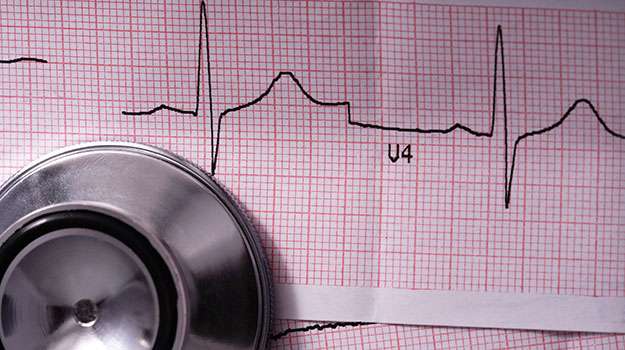
- Disease confirmation typically involves an ECG recording showing distinct patterns consistent with AFib episodes observed at rest or under stress.
- Treatment options may include blood thinners (anticoagulants) reducing clot formation risk alongside medications controlling rhythm normalization; ablation could be considered for persistent cases as well.
- With appropriate care plans targeting prevention tactics against complications associated with this arrhythmia leads many patients back toward healthier lifestyles!
Individuals struggling with AFib can achieve successful outcomes by following prescribed guidelines established collaboratively through comprehensive healthcare discussions!
TRANSESOPHAGEAL ECHOCARDIOGRAM (TEE)
A Transesophageal Echocardiogram (TEE) provides enhanced images of the heart by using an ultrasound probe inserted into the esophagus. This method offers clearer views compared to standard echocardiograms due to its proximity to the heart.
- This procedure is particularly useful for evaluating complex structures such as heart valves or detecting blood clots within the left atrium that might lead to stroke risks later on.
- Your healthcare provider will discuss indications for TEE based on existing conditions or previously inconclusive tests related to your cardiac health.
- The benefits include improved diagnostic capabilities which may lead directly to better-informed treatment decisions ranging from surgery options to ongoing medical therapies.
- Painful sensations are commonly minimized through sedation during the process; thus most patients tolerate it well.
This advanced imaging technique significantly enhances understanding of patient-specific anatomical challenges affecting cardiovascular care strategies!
HOLTER MONITOR
A Holter Monitor is a portable device that continuously records your heart's electrical activity over 24-48 hours. It is instrumental for diagnosing arrhythmias that might not appear during a standard ECG test.
- Patients experiencing symptoms like palpitations or dizziness often benefit from this thorough evaluation method.
- The initial diagnosis occurs through consultation where symptoms suggest intermittent arrhythmias post-examination by a healthcare provider.
- This monitoring technique allows for detailed analysis of the heart's rhythm throughout daily activities and sleep cycles without significant interruption in lifestyle.
- Results from the monitor help determine whether further treatment or monitoring is necessary based on identified patterns of irregularity in heartbeat rhythms.
STRESS TEST
A Stress Test evaluates how well your heart functions under physical exertion. This diagnostic test helps identify potential cardiac issues that may not be present at rest.
- Patients often report symptoms such as chest pain or undue fatigue during exercise prompting further evaluation.
- The test involves monitoring heart activity while walking on a treadmill or using medication to simulate stress in those unable to exert themselves physically.
- If abnormalities are detected, additional interventions may be recommended ranging from medication adjustments to further imaging studies.
- Following the test, patients typically receive prompt feedback regarding their cardiac health status along with next steps if necessary.
This important assessment offers insights into overall cardiovascular health and helps guide treatment strategies effectively.
ECHOCARDIOGRAM
An Echocardiogram is an essential ultrasound test used to visualize the heart's structure and function. This non-invasive procedure provides real-time images that help identify various cardiac conditions.
- Common indications include symptoms such as heart murmur, unexplained fatigue, or irregular heartbeat.
- Diagnosis can occur during a routine examination or follow-up due to previous heart issues detected on other tests.
- The echocardiogram facilitates management of conditions like valve disorders or heart muscle diseases through ongoing assessments.
- Patients can expect a straightforward process with minimal discomfort; results are usually available shortly after the exam.
This valuable tool aids in developing tailored treatment plans based on individual needs and findings.
CORONARY ANGIOPLASTY
Coronary Angioplasty is a minimally invasive procedure aimed at restoring blood flow to the heart. It involves the use of a balloon catheter to open narrowed or blocked coronary arteries, improving oxygen delivery to heart tissues.
- Symptoms may include chest pain (angina), shortness of breath, and fatigue during physical activity.
- This condition is typically diagnosed through tests like angiography, where contrast dye highlights obstructions in coronary arteries.
- Treatment options include lifestyle changes, medication management, and angioplasty itself for immediate relief.
- Post-procedure, patients commonly experience improved heart function and reduced symptoms over time.
This procedure is generally safe and effective, offering a significant improvement in quality of life for those with coronary artery disease.