Dr Rekha Lanjekar
About Me
Dr Rekha Lanjekar
Dermatologist
Biography
My Clinic
OPD Hours
| Tuesday | Morning | 10:00 AM | - | 02:00 PM |
| Evening | 06:00 PM | - | 09:00 PM | |
| Wednesday | Morning | 10:00 AM | - | 02:00 PM |
| Evening | 06:00 PM | - | 09:00 PM | |
| Thursday | Morning | 10:00 AM | - | 02:00 PM |
| Evening | 06:00 PM | - | 09:00 PM | |
| Friday | Morning | 10:00 AM | - | 02:00 PM |
| Evening | 06:00 PM | - | 09:00 PM | |
| Saturday | Morning | 10:00 AM | - | 02:00 PM |
| Evening | 06:00 PM | - | 09:00 PM | |
| Sunday | Morning | 10:00 AM | - | 02:00 PM |
| Evening | 06:00 PM | - | 09:00 PM | |
| Thursday | Morning | 10:00 AM | - | 02:00 PM |
| Evening | 06:00 PM | - | 09:00 PM |
Treatments
Specialised care and treatments offered
WART REMOVAL
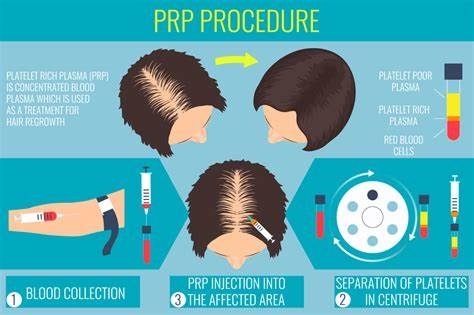
Warts are benign growths caused by human papillomavirus (HPV) infecting the top layer of the skin. They often appear as rough bumps and can develop anywhere on the body but are most common on hands and feet.
MELASMA
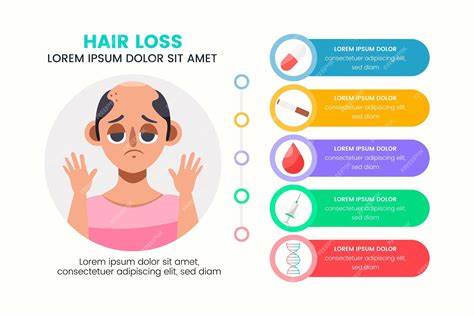
Melasma presents as brown or gray-brown patches on the skin mainly affecting sun-exposed areas such as the face. It's more prevalent among women due to hormonal influences particularly during pregnancy or contraceptive use.
ECZEMA (ATOPIC DERMATITIS)
Eczema is a prevalent inflammatory skin condition characterized by dry, itchy patches that can become red or inflamed. It's often seen in children but can persist into adulthood as well.
- Symptoms: Symptoms typically include intense itching accompanied by dry or scaly areas of skin that may weep during flare-ups.
- Causes: Genetic factors play a significant role alongside environmental elements like pollen or pet dander contributing to flare-ups.
SKIN ALLERGIES
Skin allergies manifest as adverse reactions when the immune system responds excessively to allergens. These reactions can vary from mild irritation to severe dermatologic conditions.
- Symptoms: Common symptoms include red, itchy rashes that may develop blisters or hives.
- Causes: Allergens such as certain foods, plants (like poison ivy), or cosmetics often trigger these responses.
- Diagnosis: Diagnosis usually involves skin examination alongside patch testing for specific allergens.
- Treatment Options: Treatments may include antihistamines, corticosteroids for inflammation reduction, or avoiding known allergens altogether.
- What to Expect: Many people find significant relief once they identify and avoid their triggers; however, some conditions may require ongoing management strategies.
@Focus on understanding your individual triggers is essential for effective long-term management of skin allergies.
PSORIASIS
Psoriasis is a chronic autoimmune condition that results in rapid skin cell buildup, forming scales on the skin's surface. It often causes significant discomfort due to its itchy nature.
- Symptoms: Red patches covered with thick silvery scales are common presentations.
- Causes: The exact cause remains unclear but involves genetics, immune system dysfunctions, and environmental triggers.
- Diagnosis: Typically diagnosed through a physical examination along with a patient history review.
- Treatment Options: Management may include topical treatments, phototherapy, and systemic medications for more severe cases.
- What to Expect: While there is no cure, effective treatments can control symptoms and significantly improve quality of life.
A customized treatment plan can help navigate the challenges posed by this condition effectively.
ACNE VULGARIS
Acne vulgaris is a common skin condition that affects many individuals, particularly during adolescence. It arises when hair follicles become clogged with oil and dead skin cells, leading to the formation of pimples, blackheads, and cysts.
- Symptoms: These can include various forms of lesions like papules, pustules, and even nodules.
- Causes: Hormonal changes, certain medications, and dietary factors are known contributors.
- Diagnosis: Diagnosis is primarily clinical based on visible signs; laboratory tests may be conducted in severe cases.
- Treatment Options: Treatments range from topical retinoids and antibiotics to hormonal therapies and laser treatments.
- What to Expect: Results vary by treatment method and individual response; improvements are generally seen over weeks to months.
Effective management can greatly enhance skin appearance and boost self-esteem for those affected by this condition.