
Dr Renuka Pandya
About Me
Dr Renuka Pandya
MBBS
General Physician
10 Years Experience
Biography
My Clinic
OPD Hours
| Monday | Morning | 10:00 AM | - | 02:00 PM |
| Evening | 06:00 PM | - | 09:00 PM | |
| Tuesday | Morning | 10:00 AM | - | 02:00 PM |
| Evening | 06:00 PM | - | 09:00 PM | |
| Wednesday | Morning | 10:00 AM | - | 02:00 PM |
| Evening | 06:00 PM | - | 09:00 PM | |
| Thursday | Morning | 10:00 AM | - | 02:00 PM |
| Evening | 06:00 PM | - | 09:00 PM | |
| Friday | Morning | 10:00 AM | - | 02:00 PM |
| Evening | 06:00 PM | - | 09:00 PM | |
| Saturday | Morning | 10:00 AM | - | 02:00 PM |
| Evening | 06:00 PM | - | 09:00 PM | |
| Sunday | Morning | 10:00 AM | - | 02:00 PM |
| Evening | 06:00 PM | - | 09:00 PM |
Treatments
Specialised care and treatments offered
ALLERGIES
An allergy refers to an immune response triggered by exposure to certain substances known as allergens. Allergens – which might be food items , pollen dust mites pet dander – provoke reactions ranging from mild annoyances severe attacks depending upon individual sensitivity levels .
- Symptoms / soundness : Understanding how allergies manifest plays crucial role identifying them efficiently; common signs could entail sneezing skin rashes itchiness watery eyes fatigue others depending upon allergen type experienced./ < l i />< l i /> < s tr ong >>Causes : Environmental factors genetics contribute sharply towards developing different allergic responses therefore familial tendencies should never overlooked even if fewer instances appear across generations.< / s tr ong >>/ l i />< l i /> < s tr ong>>Diagnosis : Allergen testing questionnaires documenting symptom chronicles help discerning potential triggers either through skin prick testing or laboratory assessments investigating IgE antibody concentrations confirming diagnosis accurately./ < s tr ong >>/ l i />< l i /> < s tr ong>>Treatment options : Managing allergies typically constitutes avoiding exposure onto triggering elements highlighting avoidance measures simultaneously reinforcing immunity mechanisms utilizing antihistamines corticosteroids prescribed/topical medications work wonders alleviating uncomfortable experiences allowing smooth transitions into daily living routines./ < s tr ong >>/ l i />< l i /> < s tr ong>>What-to-expect : Though completely eradicating allergies remains challenging minimizing their impact achievable encouragement arises wherein patients acquire tools techniques permitting adaptability endless hurdles obstructing day productivity engagements./< s tr ong >>/l i/>
A personalized approach coordinated alongside knowledge empowers navigating day-2-day tasks smoothly without undue distress influencing overall well-being./
ANEMIA

Anemia occurs when you lack enough healthy red blood cells to carry adequate oxygen to your body's tissues. It’s a common condition that can affect individuals at any age but tends to be more prevalent among women in childbearing years due to menstruation nutritional deficiencies .
- Symptoms : Fatigue , weakness , pale skin , irregular heartbeats could indicate anemia especially under prolonged periods .
- Causes : Nutritional deficiencies (such as iron , vitamin B12 ) bleeding disorders chronic diseases play significant roles in developing anemia .
- Diagnosis / strong >: Blood tests measuring hemoglobin levels serve as standard methodologies in diagnosing various types of anemia effectively .
- Treatment options / strong >: Depending on underlying causes treatment options require proper nutrient supplementation blood transfusions addressing primary conditions leading up-to-anemia effectively would also help manage condition better .
- What to expect / strong >: Timely diagnosis accompanied by disciplined dietary practices leads toward improved energy restoration faster recoveries from associated complaining facilities.
You should consult early on regarding any concerning indications associated with this condition so immediate actions could bear fruitful long-term results.
GASTROESOPHAGEAL REFLUX DISEASE (GERD)

GERD is a digestive disorder where stomach acid frequently flows back into the esophagus. This backwash irritates the lining of your esophagus causing discomfort.
- Symptoms: Key symptoms typically include heartburn, regurgitation of acid into the mouth, trouble swallowing, and chronic cough.
- Causes: Factors contributing to GERD include obesity, pregnancy, smoking habits, certain medications, and dietary choices that aggravate reflux symptoms.
- Diagnosis : To confirm GERD diagnosis , healthcare providers might suggest upper endoscopy or pH monitoring tests based on symptom patterns .
- Treatment options : Lifestyle changes , avoiding trigger foods , maintaining healthy weight , over-the -counter antacids , or prescription medications might be utilized .
- What to expect : Properly managing GERD can often lead to reduced incidence of symptoms while improving overall quality of life .
An evaluation by a healthcare provider could support effective management strategies .
RESPIRATORY INFECTIONS
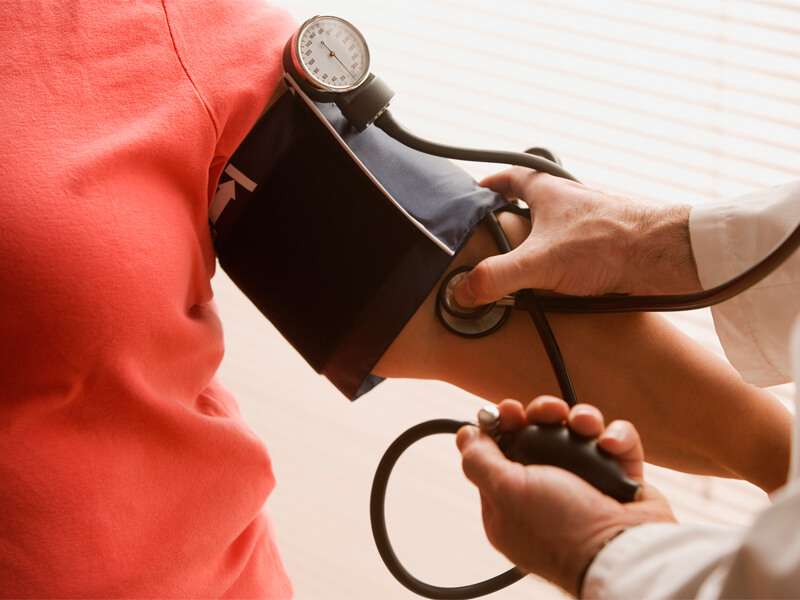
Respiratory infections encompass a variety of ailments affecting the lungs and airways. Common types include the common cold, flu, and pneumonia.
- Symptoms: Symptoms vary but may involve coughing, difficulty breathing, chest pain, fever, and fatigue.
- Causes: These infections are commonly caused by viruses or bacteria entering the respiratory system via inhalation or contact with contaminated surfaces.
- Diagnosis: Diagnosis typically involves assessing symptoms and may include diagnostic imaging like chest X-rays or sputum tests if bacterial pneumonia is suspected.
- Treatment options: Depending on the infection type, treatment can range from rest and hydration for viral infections to antibiotics for bacterial infections.
- What to expect: Most respiratory infections resolve within a couple of weeks; however, chronic conditions may require ongoing management to prevent complications.
A timely consultation can ensure appropriate care and faster recovery from respiratory infections.
DIABETES MANAGEMENT

Diabetes is a chronic condition characterized by high levels of glucose in the blood. It primarily affects how your body processes food for energy.
- Symptoms: Common signs include frequent urination, increased thirst, extreme fatigue, and blurred vision.
- Causes: Type 1 diabetes is largely genetic; Type 2 diabetes is influenced by lifestyle factors such as obesity and inactivity.
- Diagnosis: Diabetes is diagnosed through blood tests measuring glucose levels after fasting or postprandial (after meals).
- Treatment options: Management includes dietary changes, physical activity, glucose monitoring, and medications like insulin or oral hypoglycemics as required.
- What to expect: With effective control through lifestyle changes and medication adherence, many people with diabetes live full lives without major complications.
A proactive approach can help maintain blood sugar levels within the normal range.
HYPERTENSION
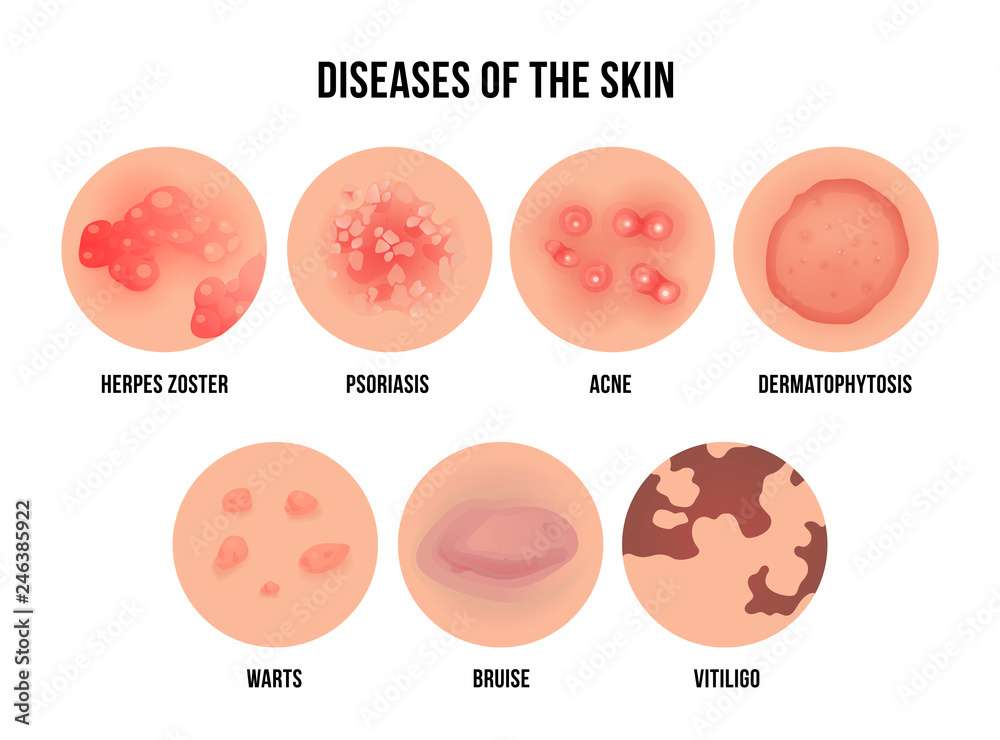
Hypertension, or high blood pressure, is a common condition that can lead to serious health issues if left unmanaged. It often develops over many years and may not present noticeable symptoms initially.
- Symptoms: Most individuals with hypertension experience no symptoms; however, some may report headaches or nosebleeds in severe cases.
- Causes: Factors include genetics, unhealthy diet, lack of physical activity, obesity, and excessive alcohol use.
- Diagnosis: Blood pressure readings are taken using a sphygmomanometer during regular check-ups. A series of measurements may be needed for an accurate diagnosis.
- Treatment options: Management includes lifestyle changes such as diet modifications and exercise, along with medications like diuretics or ACE inhibitors when necessary.
- What to expect: Regular monitoring and lifestyle adjustments can significantly control blood pressure levels and reduce the risk of heart disease.
With appropriate management, individuals can lead healthy lives while keeping hypertension at bay.