Dr Resham Bhojani
About Me
Dr Resham Bhojani
Dermatologist
Biography
My Clinic
OPD Hours
| Tuesday | Morning | 10:00 AM | - | 02:00 PM |
| Evening | 06:00 PM | - | 09:00 PM | |
| Wednesday | Morning | 10:00 AM | - | 02:00 PM |
| Evening | 06:00 PM | - | 09:00 PM | |
| Thursday | Morning | 10:00 AM | - | 02:00 PM |
| Evening | 06:00 PM | - | 09:00 PM | |
| Friday | Morning | 10:00 AM | - | 02:00 PM |
| Evening | 06:00 PM | - | 09:00 PM | |
| Saturday | Morning | 10:00 AM | - | 02:00 PM |
| Evening | 06:00 PM | - | 09:00 PM | |
| Sunday | Morning | 10:00 AM | - | 02:00 PM |
| Evening | 06:00 PM | - | 09:00 PM | |
| Thursday | Morning | 10:00 AM | - | 02:00 PM |
| Evening | 06:00 PM | - | 09:00 PM |
Treatments
Specialised care and treatments offered
ROSACEA
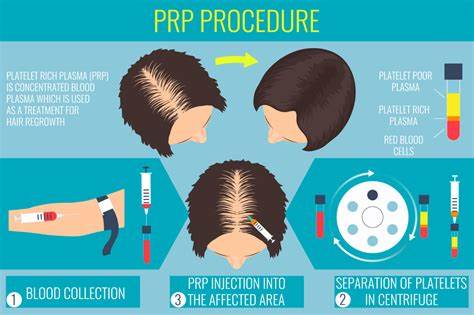
This chronic inflammatory disorder predominantly impacts facial regions causing persistent redness complemented by visible blood vessels—making its management crucial due potential psychological ramifications associated with this visible condition!
- Causes behind rosacea: Factors leading towards flaring episodes could stem from environmental elements(peppers/caffeine), heat exposure(sun/sauna) ,and emotional triggers(stress) putting individuals at heightened risk whilst exacerbating existing symptoms .
- Identifying symptoms : Patients may experience flushing episodes initially followed by ongoing blush-like complexions showcasing pimples plus enlarged nasal structures(deformities known medically as rhinophyma).
- Diagnostic efforts: Diagnosing rosacea involves careful assessments establishing symptom timelines alongside detailed observations checking responses following various stimuli confirming underlying issues driving said occurrences occurring chronically over prolonged periods.
- & Treatment avenues available : : Lifestyle adjustments paired up together dermatologic interventions(oral/topical antibacterials combined usage) assist creating balance minimizing further instances whilst restoring natural appearances desired!
If you’re living with bothersome redness leading self-consciousness levels high , reaching out specialists could open doors towards personal improvement paths addressing tone fluctuations inherent towards living comfortably amongst society
SKIN TAGS
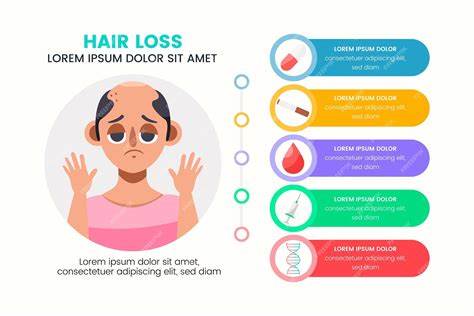
A benign growth often found on areas where skin rubs against itself—a common occurrence seen particularly among adults. Skin tags are generally painless but might cause cosmetic concerns for some individuals seeking their removal.
- Symptoms: Typically appear as small soft protrusions resembling fleshy flaps; they vary in size from tiny dots up through larger structures measuring several millimeters across.
- Recognizing diagnosis: Dermatologists usually identify them via visual inspection without needing invasive tests due primarily due their characteristic appearance .
- Treatment methods: Options range from simple excision techniques performed in-office settings under local anesthesia ensuring minimal discomfort during removal procedures ensuring prompt healing afterwards.
- Post-removal care includes : Applying ointment post-treatment helps prevent any minor irritation whilst allowing proper recovery times free from complications arising .
If concerned about unsightly growths affecting personal confidence level , consulting healthcare professionals will provide reassurance alongside removal choices suited towards healthcare goals
MELASMA
This common skin condition manifests as brown or gray-brown patches usually appearing on the face. Melasma is often triggered by hormonal changes but can have multiple etiological factors influencing its development.
- Main causes: Hormonal shifts during pregnancy (often referred to as 'the mask of pregnancy'), birth control pills, sun exposure, and genetics contribute significantly to melasma's onset.
- The diagnosis process: Diagnosis typically involves a thorough examination by a dermatologist who evaluates pigmentation patterns alongside medical history regarding medication use or past pregnancies.
- Treatment options include: Use of broad-spectrum sunscreens daily helps manage this condition effectively along with topical agents like hydroquinone that lighten hyperpigmentation over time.
- Procedural interventions: Chemical peels or laser treatments may also aid in reducing pigmentation if topical therapies yield limited success.
- What patients should expect: Results may take several weeks to manifest fully depending on adherence to treatment protocols combined with sun protection measures.
The effective management of melasma requires patience but can yield promising results when incorporated into daily routines responsibly
PSORIASIS
This chronic autoimmune condition leads to an accelerated skin cell turnover rate resulting in thickened plaques covered with scales. Psoriasis frequently affects the scalp, elbows, knees, and lower back but can appear anywhere on the body.
- Symptoms: Typical symptoms include red patches of skin covered with thick silvery scales, dry cracked skin that may bleed, itching or burning sensations, and thickened nails.
- Causative factors: Triggers can vary but often involve stress, injuries to the skin (like cuts), infections, or certain medications. Genetics also play a role in susceptibility.
- Differential diagnosis: A dermatologist differentiates psoriasis from other conditions through clinical evaluation of lesion types and distribution patterns on the body.
- Treatment strategies: Topical treatments such as corticosteroids are commonly used along with phototherapy options. Systemic medications may be necessary in more severe cases
A detailed treatment plan tailored to individual needs can help manage symptoms effectively while aiming for remission periods.
ECZEMA
Eczema is a chronic inflammatory skin condition characterized by itchy and inflamed patches on the skin. It can significantly impact quality of life due to discomfort and visible symptoms.
- Causes: Factors contributing to eczema include genetic predisposition, environmental triggers like dust or pollen, and irritants such as certain fabrics or soaps.
- Symptoms: Common signs include dry, red patches; intense itching; thickened skin; and sometimes small bumps that may leak fluid when scratched.
- Diagnosis approach: Diagnosis often involves a physical examination along with an assessment of personal and family history regarding allergies or asthma.
- Treatment plans: Management includes topical corticosteroids to reduce inflammation, moisturizers to keep the skin hydrated, and identifying triggers to avoid flare-ups.
- Interventions: Specialized light therapy may be beneficial for persistent cases. Patient education is crucial for effective long-term management.
A comprehensive approach can help manage eczema effectively while improving overall quality of life.
ACNE
Acne is a common skin condition that affects people of all ages, primarily during adolescence and early adulthood. It occurs when hair follicles become clogged with oil and dead skin cells, leading to various types of pimples.
- Symptoms: The most recognizable symptoms include whiteheads, blackheads, and cystic lesions. Acne can also cause redness and inflammation.
- Diagnosis: A dermatologist typically diagnoses acne based on visual examination and patient history, considering factors like severity and previous treatments.
- Treatment options: Management strategies include topical treatments such as retinoids, antibiotics for infection control, and oral medications like hormonal agents or isotretinoin for severe cases.
- In-office procedures: Procedures like chemical peels or laser therapy may be recommended to reduce scarring and improve skin texture.
- What to expect: Expect some improvement within weeks. Consistency in treatment is key to maintaining results.
If acne persists or worsens, consult a healthcare provider for tailored advice and treatment plans.