
Dr Rewat Singh Kh
About Me
Dr Rewat Singh Kh
MD
Cardiologist
Biography
My Clinic
OPD Hours
| Monday | Morning | 10:00 AM | - | 02:00 PM |
| Evening | 06:00 PM | - | 09:00 PM | |
| Tuesday | Morning | 10:00 AM | - | 02:00 PM |
| Evening | 06:00 PM | - | 09:00 PM | |
| Wednesday | Morning | 10:00 AM | - | 02:00 PM |
| Evening | 06:00 PM | - | 09:00 PM | |
| Thursday | Morning | 10:00 AM | - | 02:00 PM |
| Evening | 06:00 PM | - | 09:00 PM | |
| Friday | Morning | 10:00 AM | - | 02:00 PM |
| Evening | 06:00 PM | - | 09:00 PM | |
| Saturday | Morning | 10:00 AM | - | 02:00 PM |
| Evening | 06:00 PM | - | 09:00 PM | |
| Sunday | Morning | 10:00 AM | - | 02:00 PM |
| Evening | 06:00 PM | - | 09:00 PM |
Treatments
Specialised care and treatments offered
BYPASS SURGERY (CABG)

CABG (Coronary Artery Bypass Grafting) surgery aims primarily at alleviating severe blockages in coronary arteries by creating alternate pathways for blood flow. It significantly improves oxygen delivery to vital organ tissues impacted by narrowed arteries commonly seen among those suffering from coronary artery disease.
- Patients typically present symptoms such as angina (chest discomfort), severe fatigue during exertion, among others related directly tied into compromised circulation patterns experienced over time frequently before being diagnosed properly by healthcare professionals enough government suggesting intervention perhaps needed earlier than eventually becoming necessary later down road.
- Pre-operative evaluations consist mainly assessing medical history alongside diagnostic imaging implying measures determining extent blockage affecting blood flow dynamics hence solidifying necessity undertaking surgery safely thereafter throughout respective processes involved operating room settings accommodating surgical protocols adhered diligently ensuring patient safety paramount expectations fulfilled adequately.
- After surgery occurs successful completion involved rehabilitative therapies still remain important factors aiding long-term wellness pursuing healthy lifestyles encouraged adapting into any new habits introduced embracing nutrition fitness alike recognized pivotal traits active lifestyle maintaining optimal cardiovascular well-being
Ultimately completing bypass surgeries leads positively transforming lives allowing patients enjoy improved lifespans vitality experiences enriching journeys carries forth anew journeys undertaken ahead once healed properly ultimately achieving desired goals regaining balance around pre-existing conditions experienced comprehensively revisiting healthful habits chosen cultivating brighter futures allow seamless integration returning back engaging societies previously enjoyed before surgeries manifested themselves therapeutic endeavors undertaken so journey continues onward together towards progressive meaningful ways
IMPLANTABLE CARDIOVERTER DEFIBRILLATOR (ICD)
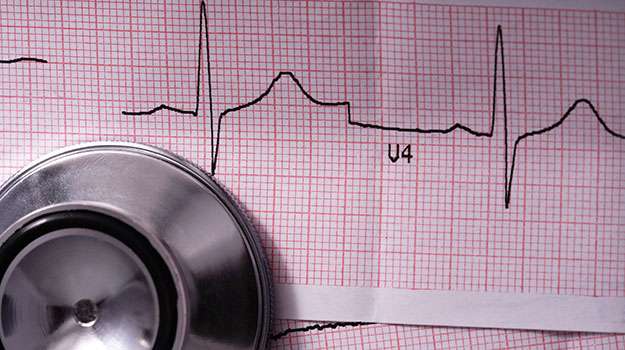
An implantable cardioverter defibrillator (ICD) is a device designed to monitor heart rhythms continuously. If it detects dangerous arrhythmias, it delivers electrical shocks to restore normal rhythm automatically, potentially saving lives in critical moments.
- Symptoms indicating possible need include sudden dizziness or loss of consciousness due to arrhythmias that predispose one at higher risk for sudden cardiac arrest.
- Diagnosis generally involves thorough assessments using physical exams and extensive cardiac testing including echocardiograms.
- Once indicated through testing results as necessary therapy option based upon risk stratification results over time; implantation procedures involve minor surgery under local anesthesia.
- Post-implantation monitoring becomes essential; follow-up appointments help ensure battery health status checks along with ongoing rhythm assessments regularly done thereafter.
Receiving an ICD enhances patient safety against unpredictable arrhythmias actively allowing individuals greater freedom while living out daily routines without undue worry over sudden risks occurring unexpectedly ensuring peace of mind overall!
ABLATION THERAPY
Ablation therapy is used to treat arrhythmias—irregular heartbeats that can lead to serious complications. This technique uses energy sources like radiofrequency waves to destroy small areas of heart tissue responsible for these abnormal impulses.
- People may experience symptoms like palpitations, dizziness, or fainting spells due to arrhythmia-related issues.
- A comprehensive examination that includes an ECG might reveal underlying electrical problems in the heart's conduction system during diagnosis stages.
- Treatment plans vary but often incorporate this innovative therapy when medications alone do not yield satisfactory results; it offers targeted solutions directly at malfunctioning tissue sites.
- The outpatient procedure generally involves minimal downtime while achieving significant improvements in rhythm control post-treatment for many patients.
This advanced method helps restore normal heart rhythms effectively while enhancing patients' everyday lives through symptom relief from their conditions.
CARDIAC CATHETERIZATION
This diagnostic procedure involves threading a thin tube through blood vessels to reach the heart. It helps assess various cardiovascular issues by providing detailed images of coronary arteries and heart chambers.
- This procedure aids in identifying blockages, blood clots, or structural abnormalities within the heart itself.
- A healthcare provider will often recommend this test if a patient exhibits signs such as unexplained chest pain or is at high risk for heart disease.
- The process may be conducted alongside other treatments like angiography to address detected problems directly during the same session.
- Pain management during this outpatient procedure ensures patient comfort while they are monitored closely for safety throughout their visit.
- If any interventions are needed post-procedure, patients will typically receive instructions regarding care and follow-up appointments thereafter.
Cath procedures are essential tools in modern cardiology for both diagnosing conditions and guiding therapeutic decisions.
HEART VALVE SURGERY
Heart valve surgery is performed to repair or replace damaged valves that disrupt normal blood flow within the heart. This condition can significantly affect cardiac function if left untreated.
- Commonly observed symptoms include fatigue, irregular heartbeat, and swelling in the legs or abdomen.
- A thorough evaluation through echocardiograms and cardiac catheterization helps diagnose valve-related disorders accurately.
- Treatment may involve either surgical repair techniques or valve replacement with mechanical or biological prostheses based on individual cases.
- The surgery typically requires hospitalization and may be performed via traditional open-heart methods or less invasive approaches.
- Following the procedure, patients need ongoing follow-up care to monitor recovery and manage any potential complications effectively.
This surgical intervention can significantly improve symptoms and enhance overall heart function, leading to better health outcomes for patients.
CORONARY ANGIOPLASTY
Coronary angioplasty is a minimally invasive procedure aimed at widening narrowed or blocked blood vessels in the heart. By restoring proper blood flow, this treatment can alleviate symptoms associated with coronary artery disease.
- Symptoms include chest pain, shortness of breath, and fatigue during physical activity.
- The diagnosis often involves electrocardiograms, stress tests, and imaging studies like angiography to assess the severity of blockage.
- Treatment options generally include lifestyle changes, medications, or surgical interventions such as angioplasty.
- During the procedure, a catheter with a balloon is inserted into the affected artery and inflated to open it up.
- Patients can expect a shorter recovery period compared to traditional surgery and may return to normal activities relatively quickly.
This treatment plays a crucial role in enhancing quality of life for those affected by cardiovascular issues.